Tag: liquid fertiliser

  • Haifa Turbo K Fertiliser Special

    Haifa Turbo K Fertiliser Special

    Granular NPK Compound Fertiliser Blend Special.

    Pacific Fertiliser’s Windosr warehouse in NW Sydney is having a special on Haifa’s high analysis compound fertiliser which is suited to the local growers with turf and high value horticulutral crops.

    Comprising of 14-14-17 + trace elements like Mg, Zn and Fe in every granule. The Granular NPK Complex Fertiliser is based on a Potassium Nitrate base.
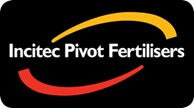
    The Turbo-K fertiliser is low in sodium and chloride, and possesses a low salt index. This makes it ideal for salt-sensitive crops and for use under hot, dry climates, where salinity problems are more severe.

    The Turbo-K product is a superior complex NPK compound fertiliser generated off the back of Haifa’s very successful Multi-K Potassium Nitrate product.

    Get in fast for a deal on pallets of 25kg bags before stock runs out.

  • Incitec Liquid Fertiliser Products

    Incitec Liquid Fertiliser Products

    IPL Easy Liquid Fertiliser Range

    EASY N,  32-0-0-0
    EASY NP,  9-13-0-0
    EASY NP plus Zn,  8-12-0-0 + 0.5% Zn
    EASY NPK 27,  6-11-4-0 + 0.5% Zn
    EASY PK, 1-9-17-0
    EASY NS, 28-0-0-5
    EASY KS,  0-0-20-17
    EASY ATS,  12-0-0-26
    Easy Trace Elements

  • Bundaberg Gypsum

    Bundaberg Gypsum

    Pacific Fertiliser is now offering the following natural gypsum products from Bundaberg:

    • QLD Mined – 98% passing 10mm – purity 96%
    • Screened Mine2g – sub 3mm screened – purity 94%

    We can also offer other soil conditioners, fertiliser and specific blends.

  • Snow Melt Irrigation Treatment

    Snow Melt Irrigation Treatment

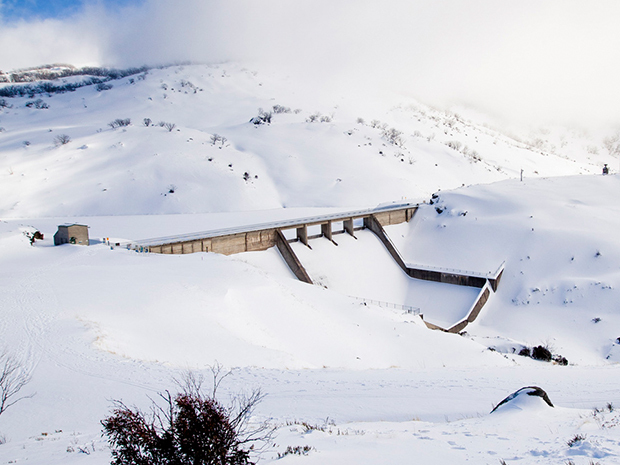
    The matter of irrigation water quality is becoming more important, since many growers are either irrigating with snow melt runoff from or poor-quality subsurface water. One of our most important current issues with growing crops in areas with alpine catchments is the issue of water quality and how it relates to soil structure, crop quality and crop production.

    Irrigation water that is very low in total salts can also be a problem because the low infiltration rate produces more run-off under the emitters. This is due to the high surface tension of low-salinity water, such as snow melt. The addition of any salt will tend to reduce this surface tension and increase water infiltration rates. Gypsum is a very common choice for this application.

    For irrigation water to be effective, it must penetrate into the soil, supplying enough water to sustain the crops until the next irrigation or rain event. But most snow melt irrigation water used can be harmful over the long term to good soil structure, and eventually to plant growth and crop quality. Because infiltration problems develop slowly, they are often overlooked and even go unnoticed. However, in many cases the soils become increasingly less productive.

    Salinity—electrical conductivity of water (EC)—and sodium content or sodicity—exchangeable sodium percent (ESP)—of irrigation water especially influence to what extent soil particles remain together or separate (flocculate and deflocculate). The higher the sodium content (and ESP) and lower the total salt content of irrigation water, the more likely soil particles will become separated and disorganized. This is caused by a chemical imbalance between calcium and sodium plus magnesium (both villains to good soil structure). Since both salinity and the amount of sodium and magnesium in irrigation water influence aggregate stability, all must be considered when determining the likelihood that water quality can reduce water infiltration.

    Correcting Water Penetration Problems. There are several ways to help improve water infiltration problems including:
    • The addition of calcium to the water or soil of Gypsum which is a salt based mineral containing both calcium and sulphur
    • Physically breaking surface crusts and compacted soils with use of chisels, rippers, etc.
    • The addition and use of organic matter such as composts and manures to improve the stability of soil aggregates
    • The use of wetting agents and related products that can greatly help with soil hydrophobicity.