Tag: pacific gypsum

  • Snow Melt Irrigation Treatment

    Snow Melt Irrigation Treatment

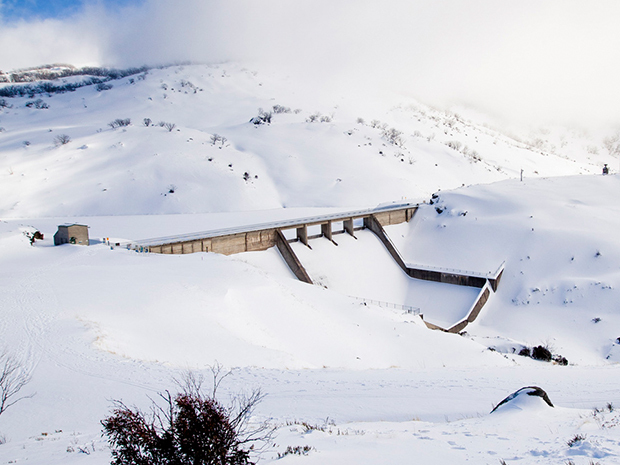
    The matter of irrigation water quality is becoming more important, since many growers are either irrigating with snow melt runoff from or poor-quality subsurface water. One of our most important current issues with growing crops in areas with alpine catchments is the issue of water quality and how it relates to soil structure, crop quality and crop production.
    Irrigation water that is very low in total salts can also be a problem because the low infiltration rate produces more run-off under the emitters. This is due to the high surface tension of low-salinity water, such as snow melt. The addition of any salt will tend to reduce this surface tension and increase water infiltration rates. Gypsum is a very common choice for this application.

    For irrigation water to be effective, it must penetrate into the soil, supplying enough water to sustain the crops until the next irrigation or rain event. But most snow melt irrigation water used can be harmful over the long term to good soil structure, and eventually to plant growth and crop quality. Because infiltration problems develop slowly, they are often overlooked and even go unnoticed. However, in many cases the soils become increasingly less productive.

    Salinity—electrical conductivity of water (EC)—and sodium content or sodicity—exchangeable sodium percent (ESP)—of irrigation water especially influence to what extent soil particles remain together or separate (flocculate and deflocculate). The higher the sodium content (and ESP) and lower the total salt content of irrigation water, the more likely soil particles will become separated and disorganized. This is caused by a chemical imbalance between calcium and sodium plus magnesium (both villains to good soil structure). Since both salinity and the amount of sodium and magnesium in irrigation water influence aggregate stability, all must be considered when determining the likelihood that water quality can reduce water infiltration.

    Correcting Water Penetration Problems. There are several ways to help improve water infiltration problems including:
    • The addition of calcium to the water or soil of Gypsum which is a salt based mineral containing both calcium and sulphur
    • Physically breaking surface crusts and compacted soils with use of chisels, rippers, etc.
    • The addition and use of organic matter such as composts and manures to improve the stability of soil aggregates
    • The use of wetting agents and related products that can greatly help with soil hydrophobicity.

  • Effect of gypsum in the Gwydir Valley

    Effect of gypsum in the Gwydir Valley

    Effect of gypsum on vertisols of the Gwydir Valley, New South Wales.

    1. Soil properties and wheat growth

    DC McKenzie and HB So
    Australian Journal of Experimental Agriculture 29(1) 51 – 62
    Published: 1989

    Abstract

    The effect of gypsum on the properties and crop productivity of 6 contrasting vertisols of the Gwydir Valley, New South Wales was investigated in 1978 and 1979. These soils are often used for dryland wheat production, although crop growth is generally restricted by their structural instability. In 2 of the soils used in our study, the surface aggregates were sodic and dispersive (poor soils), 2 were relatively stable when wetted (good soils), whilst the other 2 soils had surface aggregates that were intermediate in behaviour (intermediate soils). The effects of added gypsum at 4 rates (0, 2.5, 5.0 and 7.5 t ha-1) on soil water profiles, soil properties and the growth of wheat were monitored over a 2 year period. Dryland wheat grain yields were increased by as much as 230% following the application of gypsum. Benefits were most pronounced on clays with sodic topsoils, a high water-holding capacity and adequate nutrition; plant response to gypsum on nearby soils with non-dispersive surfaces was less pronounced. Yield increases were associated with better seedling establishment, greater tiller production, increased grain weight, and lower incidence of ‘Crown Rot’ disease. Plant response to gypsum was related to improved water penetration into the soil, allowing greater storage of water in the subsoil, rather than loss via evaporation and possibly runoff. Increases as high as 137% in the soil water storage to a depth of 1.2 m were observed. Crop performance was also strongly influenced by rainfall, time of sowing and weed control. Where nitrogen and, to a lesser extent, phosphorus, were deficient in gypsum-treated soil, they had to be added before the extra soil water could be utilised effectively by wheat. On the lighter textured clays, gypsum appeared to aggravate nitrogen deficiency, apparently because of enhanced leaching.


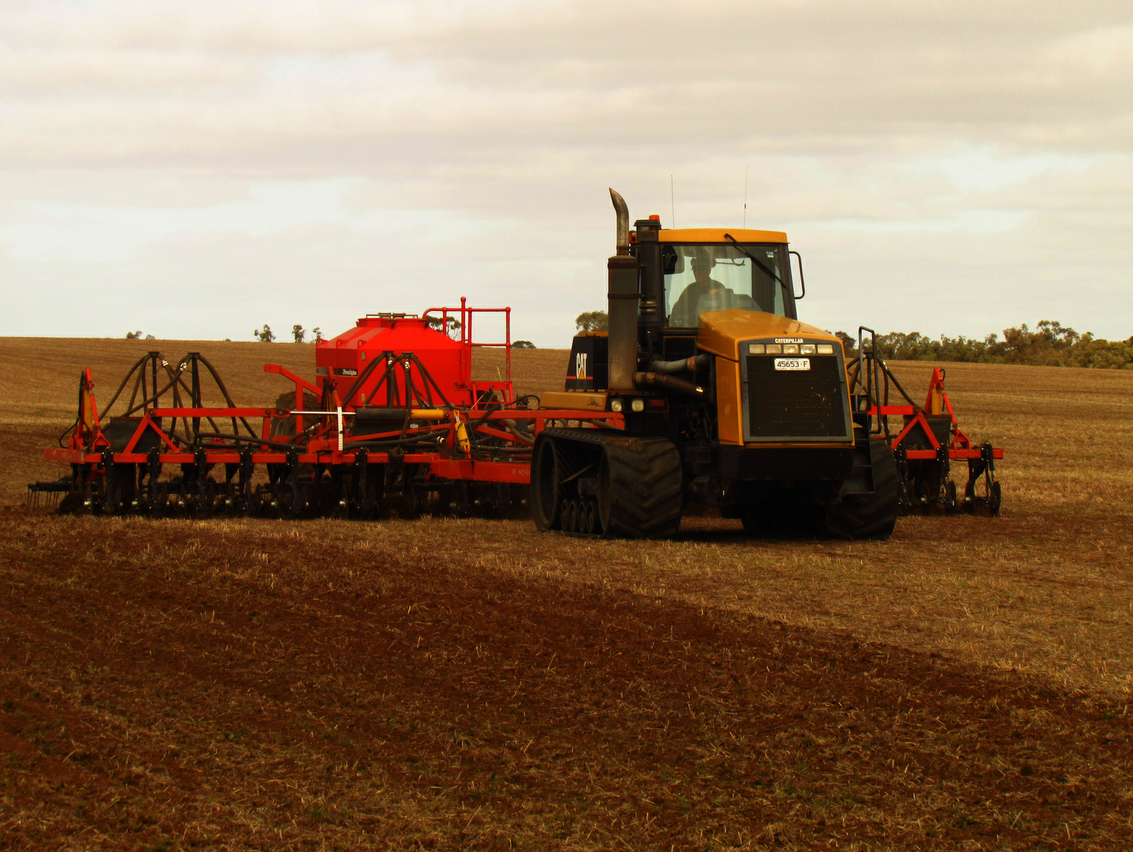
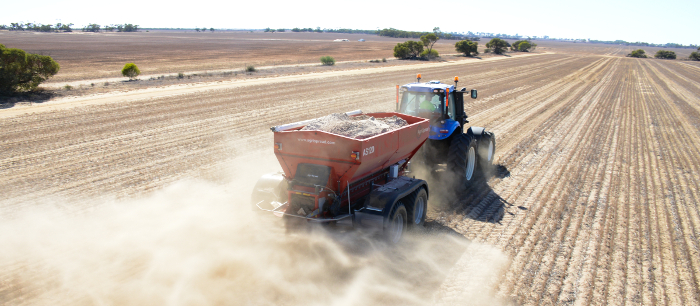
    Gypsum Spreader

  • Road Training Gypsum Throughout QLD

    Road Training Gypsum Throughout QLD

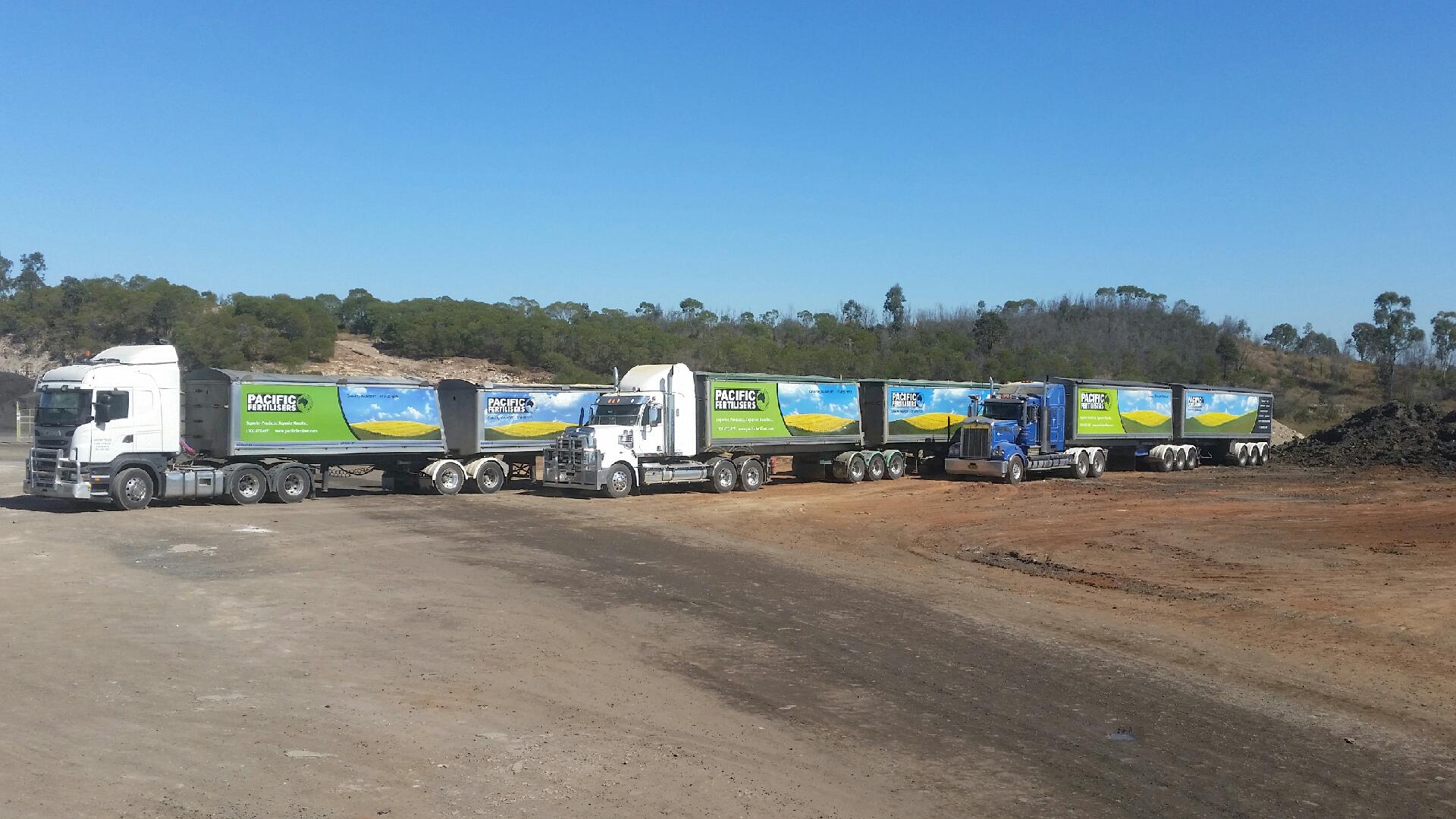
    Pacific Fertiliser is current supplying some large volumes of gypsum in QLD.

    To cater for the demand we had to assemble some of our trailers into a road train.

    QLD Gypsum


  • Sodic Soils Still Require Attenion

    Sodic Soils Still Require Attenion

    Putting the dollars into sodic soil management 

    Key Points of the GRDC article:
    – Sodicity is the presence of too much sodium (Na) in the soil.
    – Australia represents the majority of the world’s sodicity issues which can lead to a reduction in plant growth and grain yield as well as decreased soil structural ability.
    – Soil amelioration of sodic soil with gypsum has increased crop yields of wheat, chickpeas, sorghum and canola.
    – Opportunities exist for further research into the practical application of amelioration strategies such as gypsum and their potential cost/benefit to growers across a range of soils and environmental situations.
    – Like most cropping issues, growers and agronomists need to complement their knowledge of the underlying bio-physical systems with careful observation to craft a solution that is appropriate for individual situations.

    sowing

    Future research into sodic soils in Australia’s northern cropping belt should aim to equip growers with the decision-making tools to implement feasible and cost effective management strategies. Dr Neal Menzies from the University of Queensland’s School of Agriculture and Food Sciences believes that while the adverse effects of sodicity on plant growth are well documented, important knowledge gaps still remain in scientists’ understanding of sodic soils.

    Addressing advisors and growers at the recent Grains Research and Development Corporation (GRDC) Grain Research Updates, Dr Menzies said these gaps centred on the practical application of amelioration strategies and the potential cost/benefit to growers across a range of soils and environmental situations. “We need to be better able to predict on which soils an economic benefit will be gained from the application of gypsum, including setting the appropriate rate of application, and frequency of repeat applications,” Dr Menzies said.

    “We also need to develop strategies for the amelioration of sodic subsoils and improve our ability to predict when subsoil amelioration will be economically attractive. It is also important that we refine water and nutrient management approaches for sodic soils and better understand, and hence be able to optimize, alternative amelioration strategies such as organic matter management.”

    Simply defined, sodicity is the presence of too much sodium (Na) in the soil. Australia represents the majority of the world’s sodicity issues which can lead to a reduction in plant growth and grain yield as well as decreased soil structural ability which underpins a range of physical problems within the soil.

    Management usually relies on gypsum applications but devising a comprehensive and targeted management strategy can be difficult due to the vast differences between soils, such as in clay content, organic matter content and mineralogy, and the broad range of effects Na has on soils and plant growth.
    At a mechanistic level, the adverse effects of sodicity on plant growth are well understood by the research and extension communities.
    Unfortunately though, differences in soil and plant characteristics, climate and agronomy mean that this understanding cannot be directly converted to a simple set of fool-proof rules, according to Dr Menzies.
    “Like most cropping problems, growers and agronomists need to complement their knowledge of the underlying bio-physical system with careful observation to craft a solution appropriate for their situation,” he said.
    “The most commonly considered sodicity problem is decreased soil structural stability, and the resultant soil physical problems but we understand this problem, and have a number of amelioration strategies with which to address it.

    “We less frequently consider how we should address the problem of sodicity resulting in excessively high pH (alkalinity) and although this problem is also well understood and amelioration strategies are available, in the Australian dry-land farming context their implementation is rarely economically attractive.”

    Sodic soils have extremely poor physical characteristics which, in farming soils, generally lead to problems managing water and air regimes in the soil. The lack of soil structural stability results in dispersion of the surface during rainfall to form a seal. This seal limits infiltration and causes a greater proportion of rainfall to runoff, therefore reducing water availability for crops growing in the soil and increasing the risk of erosion. On drying, the seal hardens as a crust which can prevent emergence of germinating seeds resulting in poor crop establishment. In addition, sodic soils are difficult to cultivate and have poor load-bearing characteristics due to the influence of Na on the clay fraction in the soil.

    “It is always important to remember that sodicity is a problem that impacts on the clay fraction of the soil,” Dr Menzies said. “In a sand with little clay fraction, sodicity will not result in adverse physical conditions although there may still be adverse chemical effects.”

    At a mechanistic level, two processes – swelling and dispersion – are responsible for the behaviour of sodic soils with these two processes governed by the soil surface charge and how it is balanced by exchangeable cations.
    “Clay surfaces in most surface soils carry a net negative charge. This charge results in the cations being attracted to the surface, and these attracted cations balance the negative charge on the soil – a process known as cation exchange capacity (CEC).”

    The CEC has an impact on the physical and chemical properties of the soil both at the surface as well as deeper into the soil profile through the repulsion forces between soil particles. In certain situations, Dr Menzies said a gypsum application could be particularly effective as a means of improving soil surface conditions at sowing, providing better soil tilth and reducing crusting. However he stressed that timing was critically important to ensure that rainfall and/or irrigation did not dissolve and leach all of the gypsum prior to sowing. “Generally gypsum is applied at much lower rates than are required to displace all of the Na. The expectation from these smaller additions is that they will help to ameliorate the surface soil, increasing infiltration, and encouraging more uniform crop establishment.

    “Repeat applications may be needed to sustain the surface soil improvement, and would certainly be needed if an impact on the subsoil sodicity was sought. “Such small applications can be economically attractive. In the GRDC funded Combating Subsoil Constraints project (SIP08) one-time surface applied gypsum at 2.5 tonnes/hectare increased cumulative gross margins by $207/ha over four crops (wheat 2005, chickpea 2007, wheat 2008 and sorghum 2009-10), reduced 115 tonnes sodium chloride from the rooting depth and increased plant available water capacity by 15mm. “Unfortunately, gypsum application is not always profitable and more effective prediction of gypsum response is needed.” As the extent of Na saturation of the CEC increases, the reservoir of cationic plant nutrients like calcium (Ca), magnesium (Mg) and potassium (K) is diminished, and the ratio of Na to the other cations in soil solution increases dramatically.

    The most important of the cation nutrition problems induced by sodicity is Ca deficiency, where high solution concentrations of Na interfere with plant uptake of Ca. According to Dr Menzies, it has long been recognised that Na is not the only cation which has this effect – high concentrations of any cation can induce Ca deficiency, with aluminium (Al) especially detrimental. For this reason the ratio of Ca to the total cations in solution is a better predictor of Ca deficiency than Ca concentration alone. An even more accurate prediction of Ca deficiency is obtained when it’s expressed as a ratio of activity in solution – the calcium activity ratio (CAR), but this is a more difficult technique and really only appropriate as a research tool.

    Ca has an important role in stabilizing the pectins in plant cell walls and as Ca cannot be readily translocated within the plant, there must be sufficient Ca available in the soil solution within that soil volume for roots to grow into soil. Therefore Ca deficiency usually results in a poor root system which indirectly impacts the plant through the inability of the restricted root system to acquire water and nutrients. A crop growing in a soil where sodicity induced Ca deficiency at depth has limited root proliferation into the subsoil. This causes it to be more susceptible to drought and less able to obtain nutrients at depth, rather than showing symptoms of Ca deficiency on the shoots.

    On a paddock level, Dr Menzies said it was often difficult to attribute plant growth problems to a particular cause given that the physical and chemical effects of sodicity normally occurred simultaneously in sodic soils.
    “For example poor soil structure will result in susceptibility to waterlogging, with the roots irreparably damaged by low oxygen availability,” he said. “But these damaged roots would not be readily distinguished from roots damaged by Ca deficiency or by alkalinity. “At a whole plant level each of these problems, or the combination of all of these problems, will result in drought susceptibility, poor capacity to capture nutrients like phosphorus which are obtained by active uptake and diffusion toward the root.”
    In most instances, Dr Menzies said the same amelioration strategy applied and the application of soluble Ca (most commonly as gypsum) would address the majority of production issues. Nevertheless he said some knowledge of the specific problem faced could be extremely valuable for the development and implementation of a remediation strategy. “For example, the various aspects of poor soil structure caused by dispersion are a diffuse double layer problem – the zone of increased cation concentration and decreased anion concentration. But, individual expressions of poor soil structure require different remediation strategies,” Dr Menzies said.
    “At the immediate surface of the soil, dispersion can result in surface sealing, and in the short term this can be addressed by increasing the ionic strength of the soil solution through the application of relatively low rates of gypsum. “These applications must be repeated regularly as rainfall will dissolve the gypsum and leach it down through the soil profile. Once the solid phase gypsum is all dissolved, the ionic strength of the soil solution will fall – approaching the very low ionic strength of rainwater at the soil surface – and the risk of surface sealing will re-emerge.

    “Deeper in the soil profile, the ionic strength of the soil solution is much more buffered, and the beneficial effect of gypsum application is limited to the replacement of Na by Ca on the CEC.”
    Caption: Dr Neal Menzies from the University of Queensland’s School of Agriculture and Food Sciences believes that while the adverse effects of sodicity on plant growth are well documented, important knowledge gaps still remain in scientists’ understanding of sodic soils.

    Australia Sodic Soil Map

    Author: Sarah Jeffrey, Senior Consultant Cox Inall Communications – Dr Neal Menzies University of Queensland, School of Agriculture and Food Sciences – See more at: http://www.grdc.com.au/Media-Centre/Media-News/North/2015/04/Putting-the-dollars-into-sodic-soil-management#sthash.DbSCgqem.dpuf

  • Five Key Benefits of Gypsum You Should Know

    Five Key Benefits of Gypsum You Should Know

    Here are five key benefits of gypsum application:

    1. Source of calcium and sulfur for plant nutrition. Plants are becoming more deficient for sulfur and mot soil are not supplying it. Gypsum is an excellent and cheap source of sulfur for plant nutrition and improving crop yield.

    2. Improves soil structure. Flocculation, or aggregation, is needed to give favorable soil structure for root growth and air and water movement. Clay dispersion and collapse of structure at the soil-air interface is a major contributor to crust formation. Gypsum has been used for many years to improve aggregation and inhibit or overcome dispersion in sodic soils. Soluble calcium enhances soil aggregation and porosity to improve water infiltration. This is important to manage the calcium status of the soil, just like managing NPK levels.In soils having unfavorable calcium-magnesium ratios, gypsum can create a more favorable ratio. The addition of soluble calcium can overcome the dispersion effects of magnesium or sodium ions and help promote flocculation and structure development in dispersed soils.

    3. Improves water infiltration. Gypsum also improves the ability of soil to drain and not become waterlogged due to a combination of high sodium, swelling clay and excess water. When gypsum is applied to the soil, it allows water to move into the soil and allow the crop to grow well.Increased water-use efficiency of crops is extremely important during a drought and with the increased costs of irrigation water and power bills. Better soil structure allows all the positive benefits of soil-water relations to occur and gypsum helps to create and support good soil structure properties.

    4. Gypsum improves water infiltration rates into soils and also hydraulic conductivity of the soil. It is protection against excess water run-off from especially large storms that are accompanied with erosion. Helps reduce runoff and erosion. Agriculture is considered to be one of the major contributors to water quality, with phosphorus runoff the biggest concern. Experts explained how gypsum helps to keep phosphorus and other nutrients from leaving farm fields. Gypsum should be considered as a Best Management Practice for reducing soluble P losses.

    5. Improves acid soils and treats aluminum toxicity. Gypsum has the ability to reduce aluminum toxicity, which often accompanies soil acidity, particularly in subsoils. Gypsum can improve some acid soils (sodic soils) even beyond what lime can do for them, which makes it possible to have deeper rooting with resulting benefits to the crops. Top dressed gypsum leaches down to to the subsoil and results in increased root growth. Gypsum can also increase the effectiveness of liming when treating acid soils.


  • Aerial Grade Gypsum

    Aerial Grade Gypsum

    Pacific Fertiliser releases a new natural aerial gypsum product ex Brisbane.

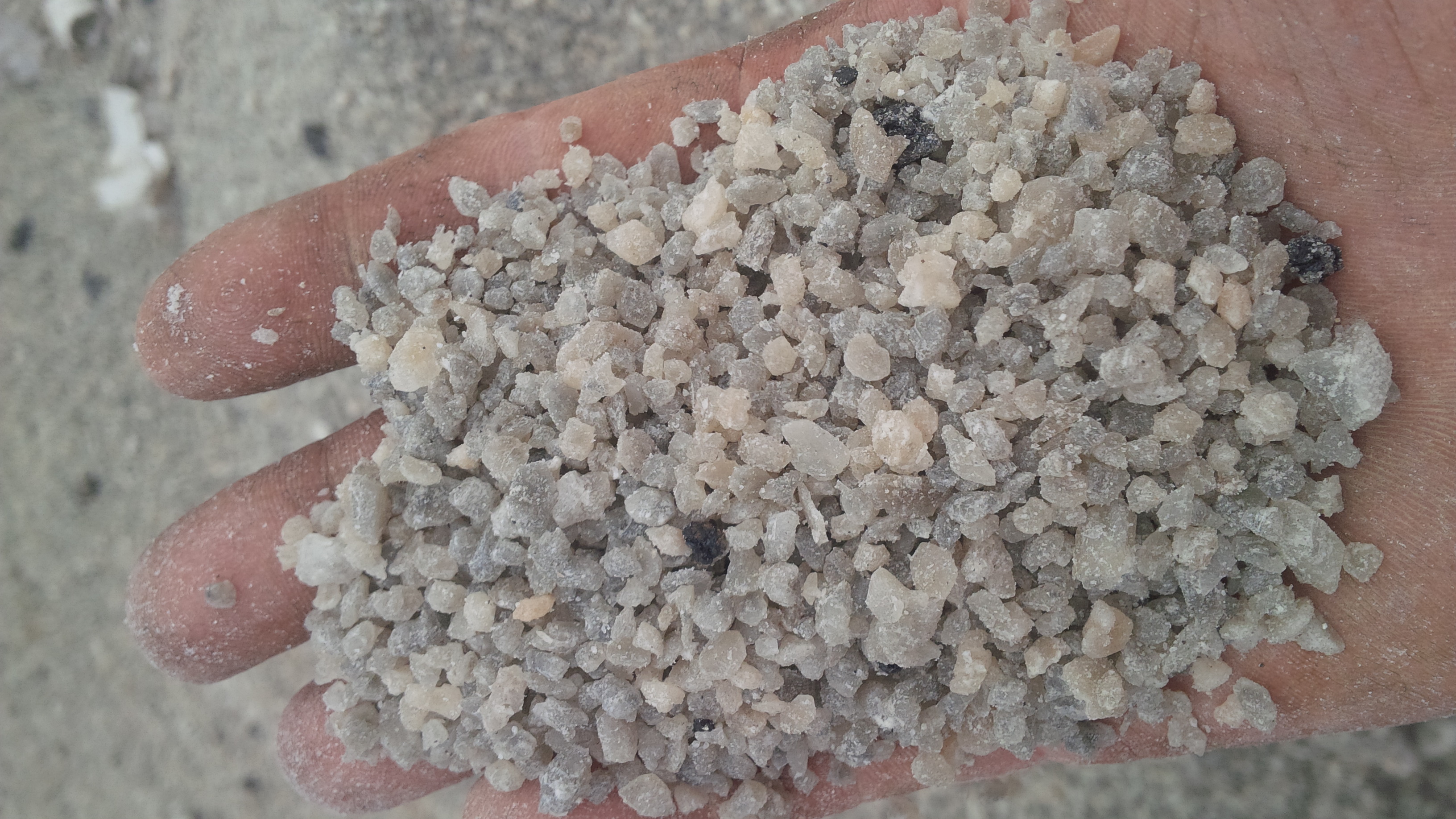
    The Mine26 product is a 2-6mm granular high purity gypsum is suitable for aerial spreading, consisting of over 96+% purity, 17.8+% sulphur and 23% calcium.

    Aerial grade gypsum

    We can also do a 2-10mm aerial product which is slightly cheaper and a recycled gypsum option at 6-12mm.

  • Brisbane Gypsum

    Brisbane Gypsum

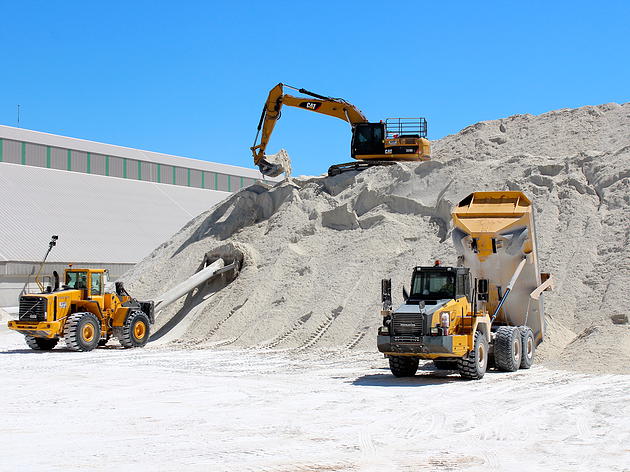
    PacFert can offer mined gypsum loading from bogie loads to road train trailers and B-doubles from Pinkenba and Port of Brisbane in QLD.

    Other special products and blends come out of the Ipswich site.

    We can package the natural high quality grade 1 gypsum with competitive bulk transport and spreading services.

    Our gypsum is 95+% pure, ensuring you aren’t buying, transporting and spreading a large percentage of dirt or other impurities.

  • REMAP Blend

    PacFert releases a new blended product called REMAP. A blend containing Urea, DAP, Rock Phosphate, Lime and Gypsum. REMAP has good levels of N, P, K, S and Ca.

    Which provides you with a good base of soil nutrients in a single low cost application.

    PRODUCT Nitrogen (N) Phosphorous (P) Potassium (K) Sulphur (S)
    Calcium (Ca)
    % w/w % w/w % w/w % w/w % w/w
    REMAP 18+ 2+ 1+ 1.5% 6+


  • Treating Salinity and Sodic soil with Gypsum

    Treating Salinity and Sodic soil with Gypsum

    Treating Salinity and Sodic soil with Gypsum

    Most of the croplands in Australia are currently affected to some degree by saline or sodic soils. As salinity increases, crop yields and resistance to disease decreases.

    A sodic soil has an exchangeable sodium percentage (ESP) of more than 6. This means that sodium comprises more than 6% of the total exchangeable cations in the soil. Sodic soils are likely to disperse, that is, break down into individual clay particles that block pore spaces. This dispersion causes poor water infiltration, slow internal drainage, surface crusting and germination problems. If dispersion occurs in the subsoil, the soil may become almost impermeable and be a poor environment for growing plants (except rice).

    The use of saline water may reduce the level of dispersion in the short term due to flocculation of the clay particles. If the rate of leaching is inadequate, the sodium accumulates in the soil, making it more sodic and more difficult to manage. Unlike salinity, sodicity in soils is virtually permanent, in nature: the only way to reverse it is to apply gypsum. Reduced tillage and a build-up of organic matter can reduce the degree of dispersion in a sodic oil, but will not alter the soil’s ESP.

  • BENEFITS OF PHOSPHATE ROCK APPLICATION

    BENEFITS OF PHOSPHATE ROCK APPLICATION

    BENEFITS OF DIRECT APPLICATION PHOSPHATE ROCK

    Organic farming is the fastest growing sector of the global economy. Australia is the largest organic producer globally with 12 million hectares under organic cultivation. Pacific Fertiliser’s organic phosphate fertiliser is environmentally and nutritionally superior to chemical fertilisers and can be used on a wide variety of crops and pastures.

    Organic fertilisers based on rock phosphate such as PacFerts’s products offer several advantages over chemically processed soluble fertilisers such as superphosphate.

    • Organic fertilisers slowly release nutrients into the soil matching the speed at which the nutrients are being absorbed by the plants.

    • Phosphate rock has the ability to restore microelemental and microbial soil balance which in turn leads to less reliance on artificial fertilisers and better crop yields.

    • Use of organic phosphate instead of chemically processed phosphate avoids the serious environmental degradation caused by increased concentrations of fertilisers in the ground water, the rivers and the coastal waters. Use of organic phosphate rock reduces the risk of harmful accumulation of nutrients in the soil and reduces soil salinity problems

    • Plants grown on organic phosphate rock fertiliser have a better nutritional quality.

    • Because of phosphate rock’s unique chemical composition, incorporation of phosphate rock into the soil enhances its biological activity and increases soil carbon (C) accumulation, leading to improved soil fertility and restoration of its physical and chemical properties.

    • Organic phosphate rock is a source of several nutrients other than P. Rock phosphates are usually applied to replenish soil P status, but phosphate rock also provides other nutrients not present in soluble fertilisers. Application of organic phosphate has a potential trigger effect on plant growth and crop yields as a result not only of phosphorus release but also because of phosphate rock’s effect on increasing exchangeable calcium (Ca) and reducing aluminium saturation.

    • Phosphate rocks for direct application can be more efficient than artificial fertilizers in terms of phosphorus (P) recovery by pants under certain conditions. Based on the unit cost of P, natural phosphate rock is usually the cheapest.

    • Phosphate rocks are natural minerals requiring no metallurgical processing. Their direct application avoids production of polluting wastes such as phosphor-gypsum and greenhouse gases, thus resulting in energy conservation and protein environment.

    Pacific Fertiliser also produces other organic compliant natural mineral fertilisers and soil conditioners.

    products_phosphate_rock

    Note: Soft Rock Phosphate does not contain soluble phosphate, therefore the phosphate availability is a function of acid soil conditions and/or active soil biology, i.e. soft rock phosphate becomes available rapidly in acidic soils. In alkaline soils, it should be combined with REGYP compost, humates, microbial agents. Application rates are generally in the range of 500kg to 1500kg per hectare (Ha).

    Phosphate Rock