Tag: carbon coated urea

  • Slow Release Nitrogen

    Slow Release Nitrogen

    [fusion_builder_container type=”flex” hundred_percent=”no” equal_height_columns=”no” menu_anchor=”” hide_on_mobile=”small-visibility,medium-visibility,large-visibility” class=”” id=”” background_color=”” background_image=”” background_position=”center center” background_repeat=”no-repeat” fade=”no” background_parallax=”none” parallax_speed=”0.3″ video_mp4=”” video_webm=”” video_ogv=”” video_url=”” video_aspect_ratio=”16:9″ video_loop=”yes” video_mute=”yes” overlay_color=”” video_preview_image=”” border_color=”” border_style=”solid” padding_top=”” padding_bottom=”” padding_left=”” padding_right=””][fusion_builder_row][fusion_builder_column type=”1_1″ layout=”1_1″ background_position=”left top” background_color=”” border_color=”” border_style=”solid” border_position=”all” spacing=”yes” background_image=”” background_repeat=”no-repeat” padding_top=”” padding_right=”” padding_bottom=”” padding_left=”” margin_top=”0px” margin_bottom=”0px” class=”” id=”” animation_type=”” animation_speed=”0.3″ animation_direction=”left” hide_on_mobile=”small-visibility,medium-visibility,large-visibility” center_content=”no” last=”true” min_height=”” hover_type=”none” link=”” border_sizes_top=”” border_sizes_bottom=”” border_sizes_left=”” border_sizes_right=”” first=”true”][fusion_text]

    When conventional soluble fertilisers are applied to the soil, the plant only consumes a fraction of the nutrients. Leaching, denifrification, volatilisation, and other processes can cause substantial losses.

    Polymer & carbon coated urea is now getting cheaper. The majority of coated urea products are around 5-20% the more than the cost of straight urea fertiliser.
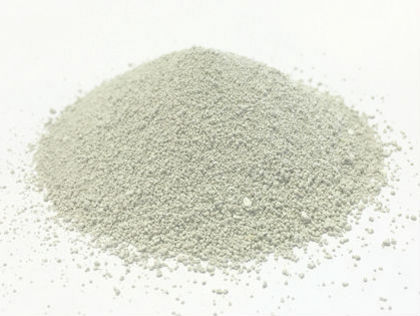
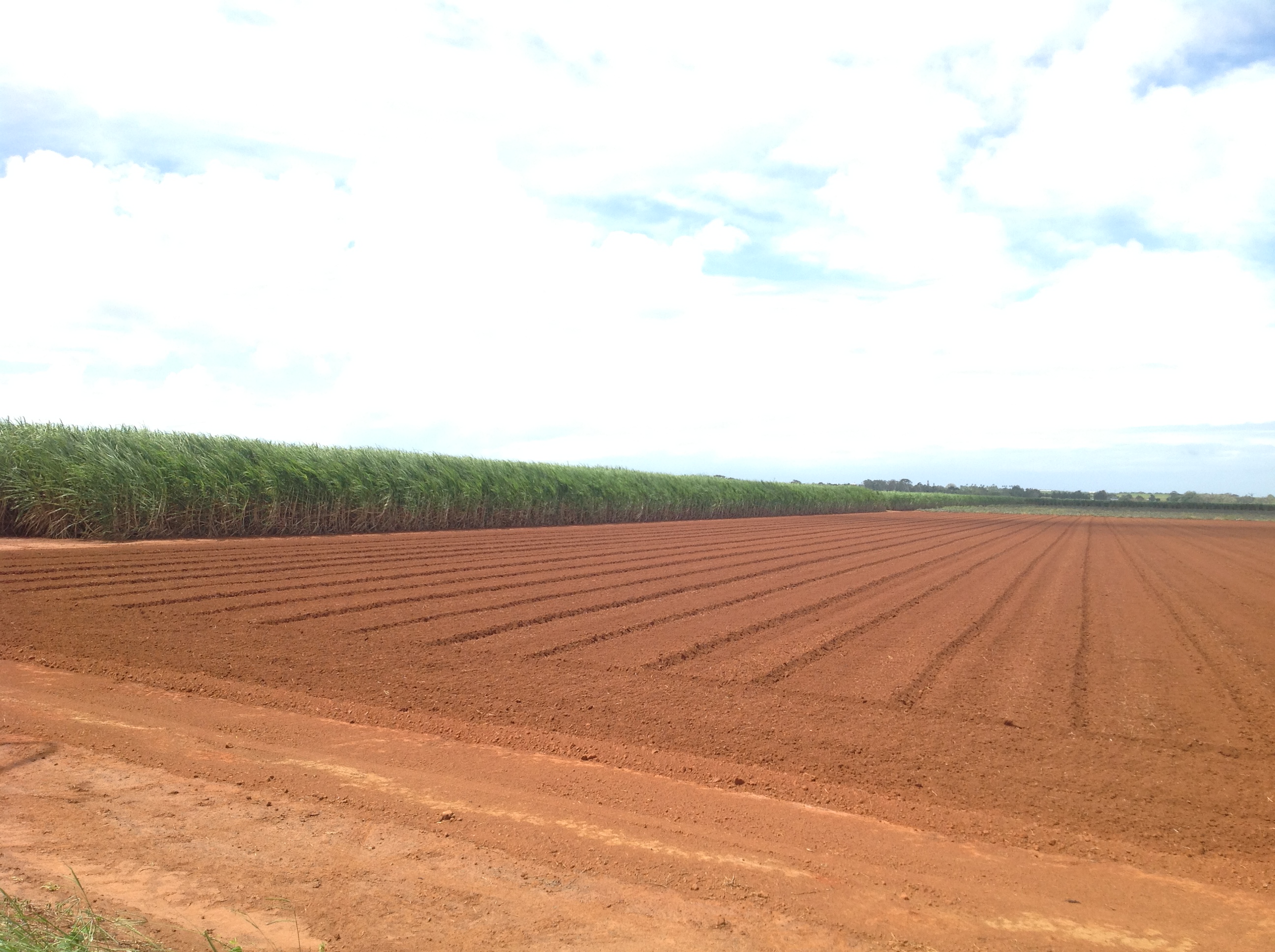
    When urea or urea-based blends are broadcast on the soil surface, they can be susceptible to volatilisation, or ammonia (NH3 ) loss. Volatilisation potential is determined by the ratio of ammonia to ammonium (NH4) in the product and soil pH. A high-ammonia product placed into a high pH soil will have the greatest volatilisation potential.

    Nitrogen losses of 5-30% are common when topdressing urea on Crops or Pastures and these losses can start within 24-48hrs. Research has shown in South Eastern Australia volatilisation has been as high as 26% of total N over 20 days on alkaline clay in spring with only light rain post application.

    Watch the N-Shield video on YouTube to see a simple volatilisation comparison between treated and un-treated urea.

    Factors contributing to losses may include

    • Light rain post application
    • Neutral to high soil pH
    • Urea exposed to windy or warm conditions
    • Application to a moist soil surface that dries out post application out (includes top-dress after rainfall)
    • Low buffering capacity soil
    • Soils with low CEC
    • Open crop canopy
    • Crop residue such as pasture, high trash or stubble present that can leave the granule stranded away from the soil surface

    The safest application if all the planets align to top dress granular urea is onto dry clay soils which tend to have a higher buffering capacity, in low humidity conditions with no wind and sufficient rainfall to move the urea into the soil within a few days of the application. Due to these factors being hard to line up, there is a large range of treated urea products available to reduce potential loses post application.

    Slow Release Nitrogen Products Available through Pacific Fertiliser:

    • Entec Urea (an ammonium stabiliser for nitrogen fertiliser to reduce nitrogen losses through leaching and denitrification)
    • Centro Urea (an ammonium stabiliser for nitrogen fertiliser to reduce nitrogen losses through leaching and denitrification)
    • Green Urea  (contains a urease inhibitor NBPT that will help protect against volatilisation losses for upto 14 days)
    • N-Guard Urea  (contains a urease inhibitor NBPT that will help protect against volatilisation losses for upto 14 days)
    • Agrotain Urea (contains a urease inhibitor NBPT that will help protect against volatilisation losses)
    • N-Protect Urea (contains a urease inhibitor NBPT that will help protect against volatilisation losses)
    • Nexen Urea (Agrotain stabilised urea slows the conversion of urea to ammonium, which reduces losses of nitrogen to volatilisation)
    • Agromaster Urea (a controlled release polymer coated Urea, providing upto 90 day controlled release of nitrogen)
    • Carbon Coat Urea (aka Black Urea or CC urea is granular urea coated with around 21% carbon to reduce volatilization and leaching)

    * (you can’t blend urea with entec urea for a short and longer release)

    Controlled  Release Nitrogen Products Available through Pacific Fertiliser:

    • Polymer Coated Urea – N80 (80 day release)
    • Polymer Coated Urea – N90 (3 month release)
    • Polymer Coated Urea – N120 (4 month release)
    • Polymer Coated Urea – N180 (6 month release)
    • Polymer Coated Urea – N270 (9 month release)

    Fertiliser nitrogen may be lost from the soil in several different ways, including; ammonia volatilisation, nitrate leaching and nitrate denitrification. Factors affecting these losses include fertiliser compound, fertiliser form, type of application, timing of application, soil properties, rainfall amount and intensity, and temperature and wind after application.

    Ammonia volatilisation – is a chemical process that occurs at the soil surface when ammonium from urea or ammonium-containing fertilisers (e.g. urea) is converted to ammonia gas at high pH. Losses are minimal when fertiliser is incorporated, but can be high when fertiliser is surface-applied.

    Nitrate denitrification – is a biological process that occurs within the soil profile wherever there is sufficient available nitrate, labile carbon substrate, and low oxygen conditions such as in slowly draining soils. Losses are minimal in most dryland cropping soils, but may be high in waterlogged conditions.

    Nitrate leaching – is a physical process that occurs with the drainage of water through the profile. While nitrate movement within the profile is common in cracking clay soils, large-scale loss of nitrate below the root zone is minimal in most conditions.

    Urea Loses – Courtesy of GRDC and IPF

    [/fusion_text][/fusion_builder_column][/fusion_builder_row][/fusion_builder_container]

  • Controlled Release Fertiliser

    Controlled Release Fertiliser

    Controlled Release Fertiliser is designed to release nitrogen in a defined and predictable manner, to assist with matching the supply of nitrogen with the demands of your crop.

    Reducing nitrogen volitsation can also save you money on nitrogen losses that can escape as ammonia gas, or through leaching nitrate during wet weather events or irrigation.

    Controlled release urea can also increase crop yields by providing better access to ammonium nitrogen throughout the season.

    Coated urea can also provide flexibility with application:

    • There’s low rainfall – and you can’t guarantee 10-15mm of rainfall within within 24-48 hours of applying the urea
    • Top dressing the urea without incorporation into the soil, to a depth of greater than 5cm
    • The soil surface is drying out
    • Conditions are relatively warm, or windy
    • There’s a high level of crop residue or litter


  • Urea Rush

    Urea Rush

    There is a rush for bulk Urea fertiliser across the eastern seaboard with the forecasted rain next week.

    Farmers are rushing to top dress crops with urea to benefit from the predicted rain across the eastern states.

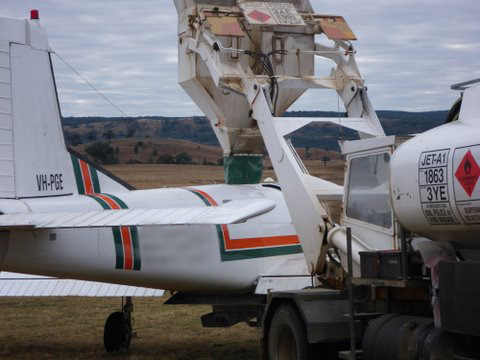
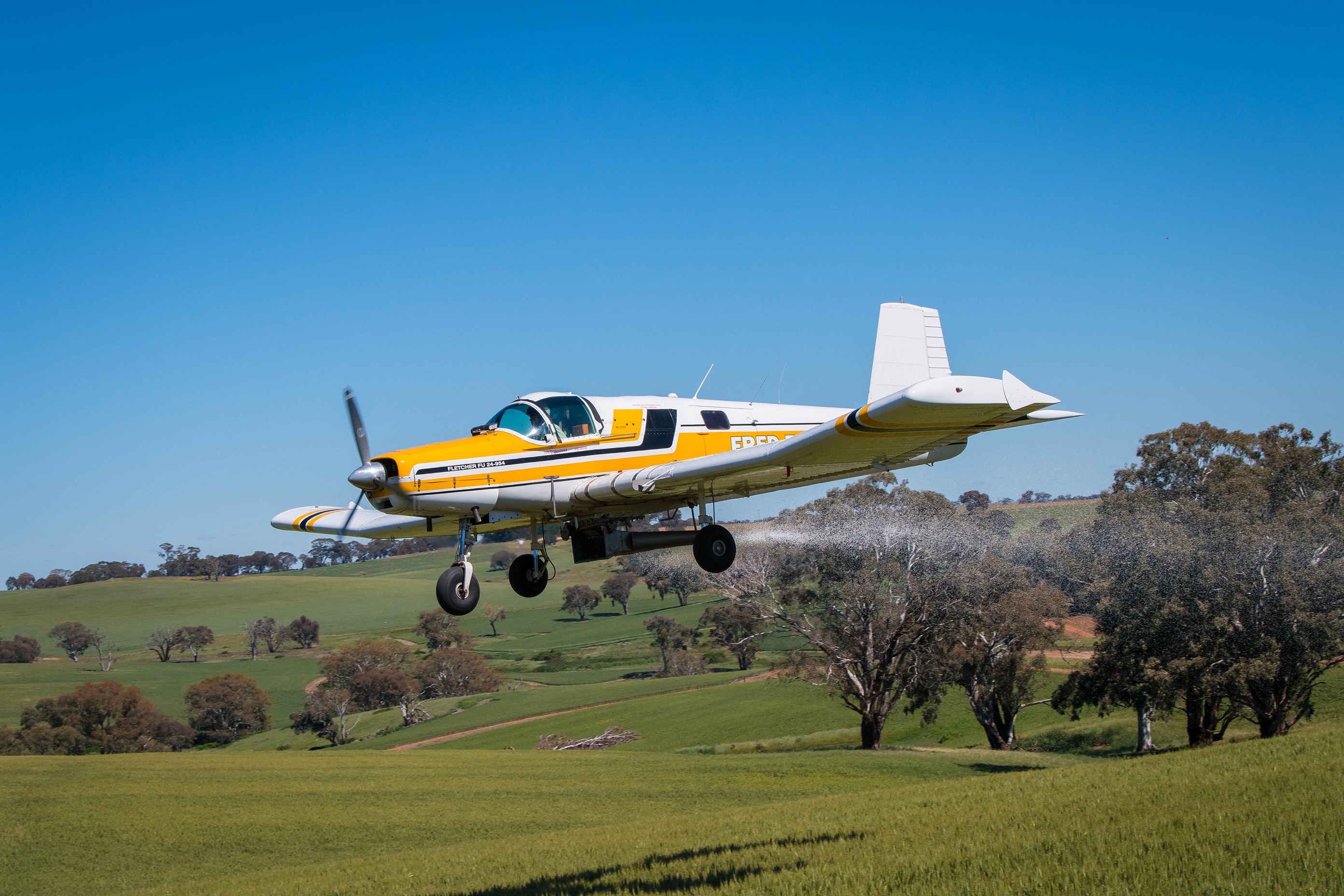
    In some areas urea is being applied by plane as fast as they can spread it.

    Pacfert RT tipping

  • Compound fertilisers

    Compound fertilisers

    Compound fertilisers contain multiple nutrients such as NPK in each individual granule. They differ from a blend of fertilisers mixed together to achieve a desired average NPK composition such as 16:10:10. This difference allows farmers to spread compound fertiliser so that each granule delivers the desired mixture of fertiliser as it dissolves in the soil and eliminates the potential for segregation of blended fertiliser during transport and/or application. The granules of the compound fertilisers also allow the farmer to achieve uniform distribution of micronutrients throughout the root zone.

    Compound fertilisers are especially effective for applying an initial dose of nutrients in advance of planting. We manufacture certain ratios of nutrients for standard soil and crop application. However if you want to meet specific soil and crop requirements, you will still need to blend fertilisers, minerals and trace elements to get the desired result.


  • Coated Urea

    Coated Urea

    Pacific Fertiliser sells a Carbon Coated Urea product (or black coated urea).  The urea coating, is a combination of organic carbon and other biological stimulants that increase the microbial activity around the granule increasing fertiliser use efficiency. The coating secures nitrogen within the soil and reduces volatilization and leaching by up to 30% over standard urea. The coated urea product has the added benefit of carbon for cell structure which increases energy, water and nutrient holing capacity. The coating is an organic complex specifically manufactured to contain a unique ratio of oxidative functional groups and cofactors of biological oxidation. Stabilising and binding technologies are employed to ensure coating integrity and reaction timing.

    Nitrogen Retention in the Soil: Carbon Coated Urea v Standard Urea

    Low Moisture   2 wks  4 wks  6 wks  8 wks  10 wks
    Black Urea 95% 84% 75% 70% 62%
    Urea 55% 30% 15% 3% 1%


    Optimum  Moisture  2 wks  4 wks  6 wks  8 wks  10 wks
    Black Urea 90% 80% 65% 52% 46%
    Urea 75% 42% 26% 8% 5%


    High Moisture   2 wks  4 wks  6 wks  8 wks  10 wks
    Black Urea 90% 75% 65% 50% 45%
    Urea 68% 40% 15% 4% 3%

    These Tests show that there is significantly less leaching of N from Carbon Coated Urea.

    We also sell polymer coated urea providing up to 270 day (9 mths) controlled release urea (N80, N90, N120, N180 & N270)