Tag: mined gypsum

  • New ProCal-S2 Gypsum

    New ProCal-S2 Gypsum

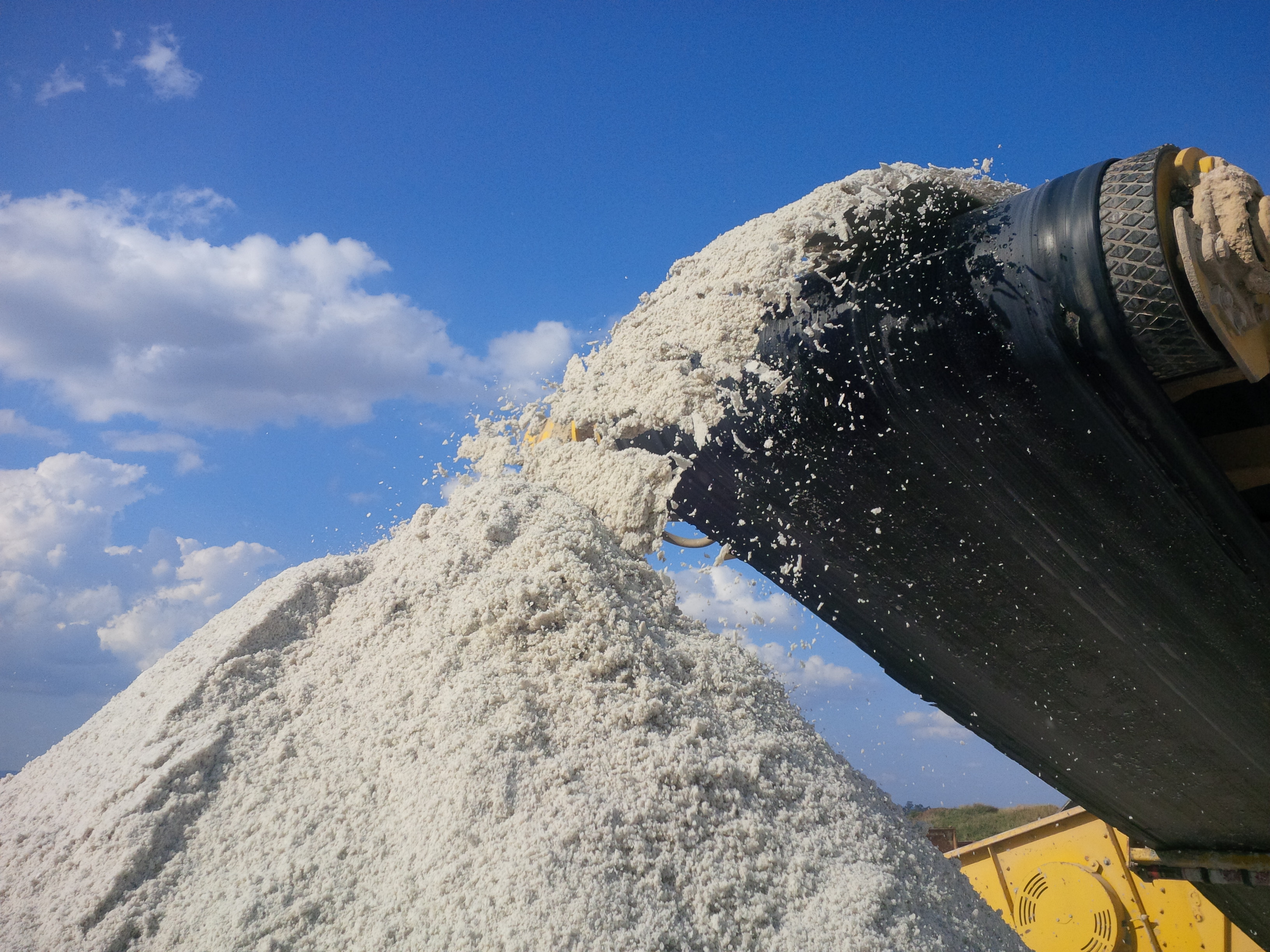
    Pacific Fertiliser has been working on some new fine high analysis natural mineral products. We have recently released some new high performance gypsum products suitable for the agricultural and civil industries.

    These gypsum products have a finer mean particle size than the standard screen products we currently sell as Mine3 and Mine6, providing a faster response.
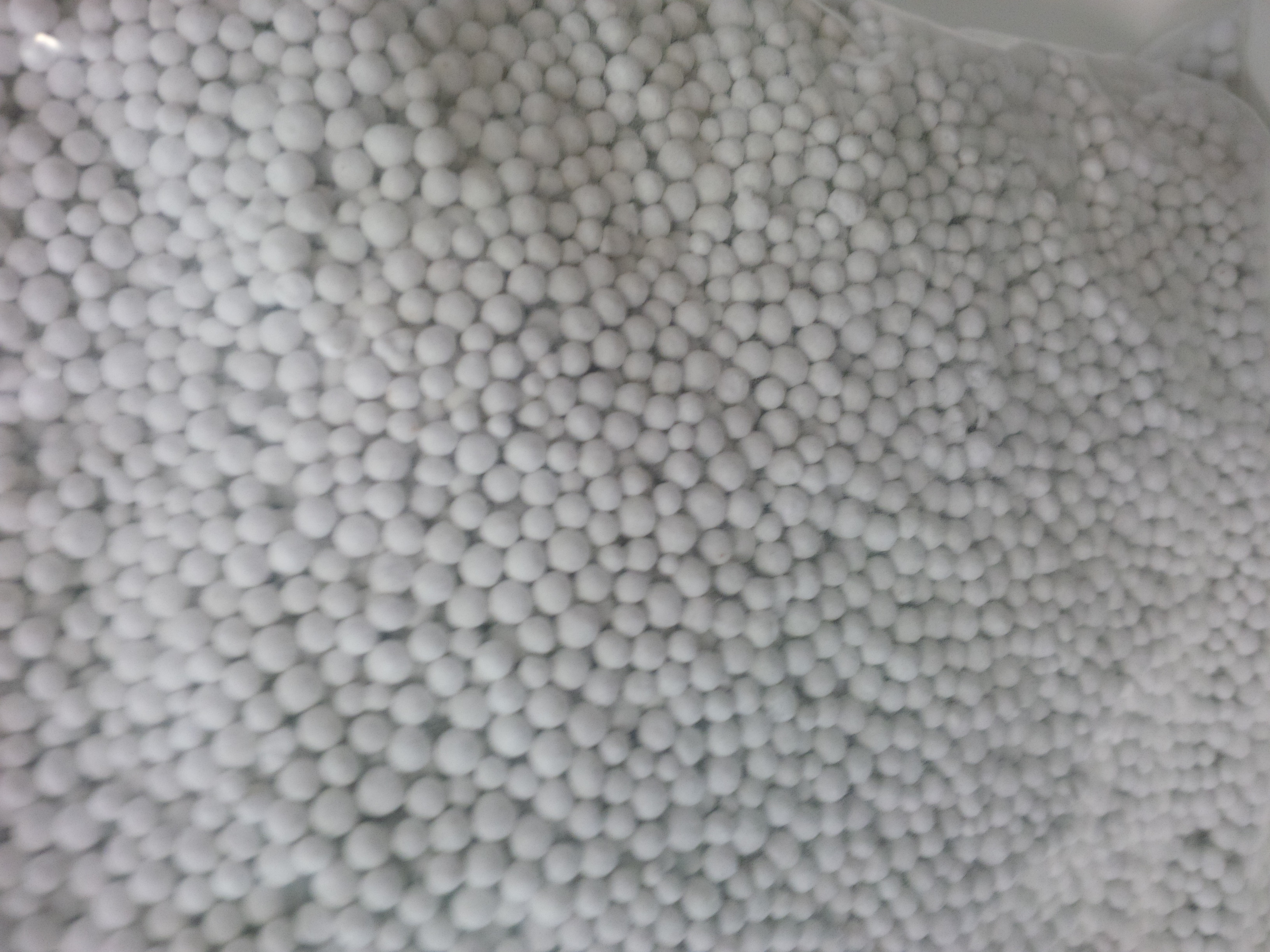
    ProCal-S2 gypsum (mine2) is a fine grade gypsum product suitable for horticulture and aquaculture. It has a mean particle size of 500um making it very soluble. We also use this product to produce our air-seeder grade and aerial grade granular products.

    Cal-S3 gypsum (mine3) is a fine grade gypsum product suitable for agriculture and civil industries. It has a mean particle size of 750um making it a cost effective product for agricultural applications requiring fine grade gypsum.

    Cal-S4 gypsum (Mine4) is a fine grade gypsum product suitable for agriculture and civil industries. It has a mean particle size of 850um making it a cost effective product for agricultural applications requiring fine grade gypsum.

    Superflocc gypsum – an ultra-fine gypsum product suitable for flocculation and  fertigation applications.


  • Granular Gypsum

    Granular Gypsum

    Pacific Fertiliser produce a granular gypsum product suitable for air seeder and aircraft application.

    The 2-4mm granular gypsum is made locally from blending various domestic sources of natural gypsum together to make consistent and stable particles. We then re screen the product after granulation to ensure there are no fines present.

    For sport turf applications we also produce a 1-2mm gypsum product.

    sowing

  • Buying Gypsum

    Buying Gypsum

    When buying gypsum from any supplier please ask the following questions when requesting delivered or ex works prices.

    • Price $/tonne
    • Do you have a recent analysis report (less than 6 months old) including
      • Gypsum purity (%)
      • Calcium and sulphur content (%)
      • Sizing (top and mean size)
      • Salt content %
      • Moisture content %

    Gypsum Quality Classification:

    • Premium Grade Gypsum described as : Gypsum must contain a minimum of 89% purity, 16.5% sulphur (S) and a minimum of 21.0% Calcium (Ca).
    • Grade 1 Gypsum described as : Gypsum must contain a minimum of 81% purity, 15.0% sulphur (S) and a minimum of 19.0% Calcium (Ca).
    • Grade 2 Gypsum described as : Gypsum must contain a minimum of 67% purity, 12.5% sulphur (S) and a minimum of 15.5% Calcium (Ca).
    • Grade 3 Gypsum described as : Gypsum must contain a minimum of 54% purity, 10.0% sulphur (S) and a minimum of 12.5% Calcium (Ca).

               Purity of gypsum is calculated by dividing the Sulphur content % by 0.186 (i.e. gypsum with 100% has 18.6% Sulphur). 

    Bulk-gypsum

  • Road Training Gypsum Throughout QLD

    Road Training Gypsum Throughout QLD

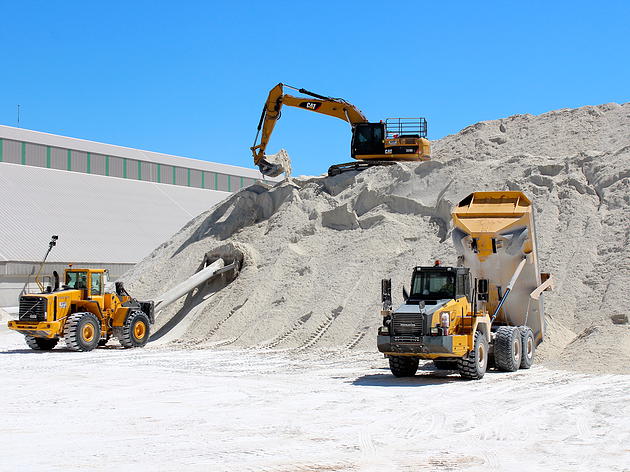
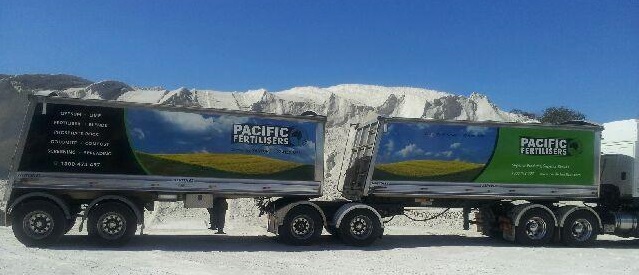
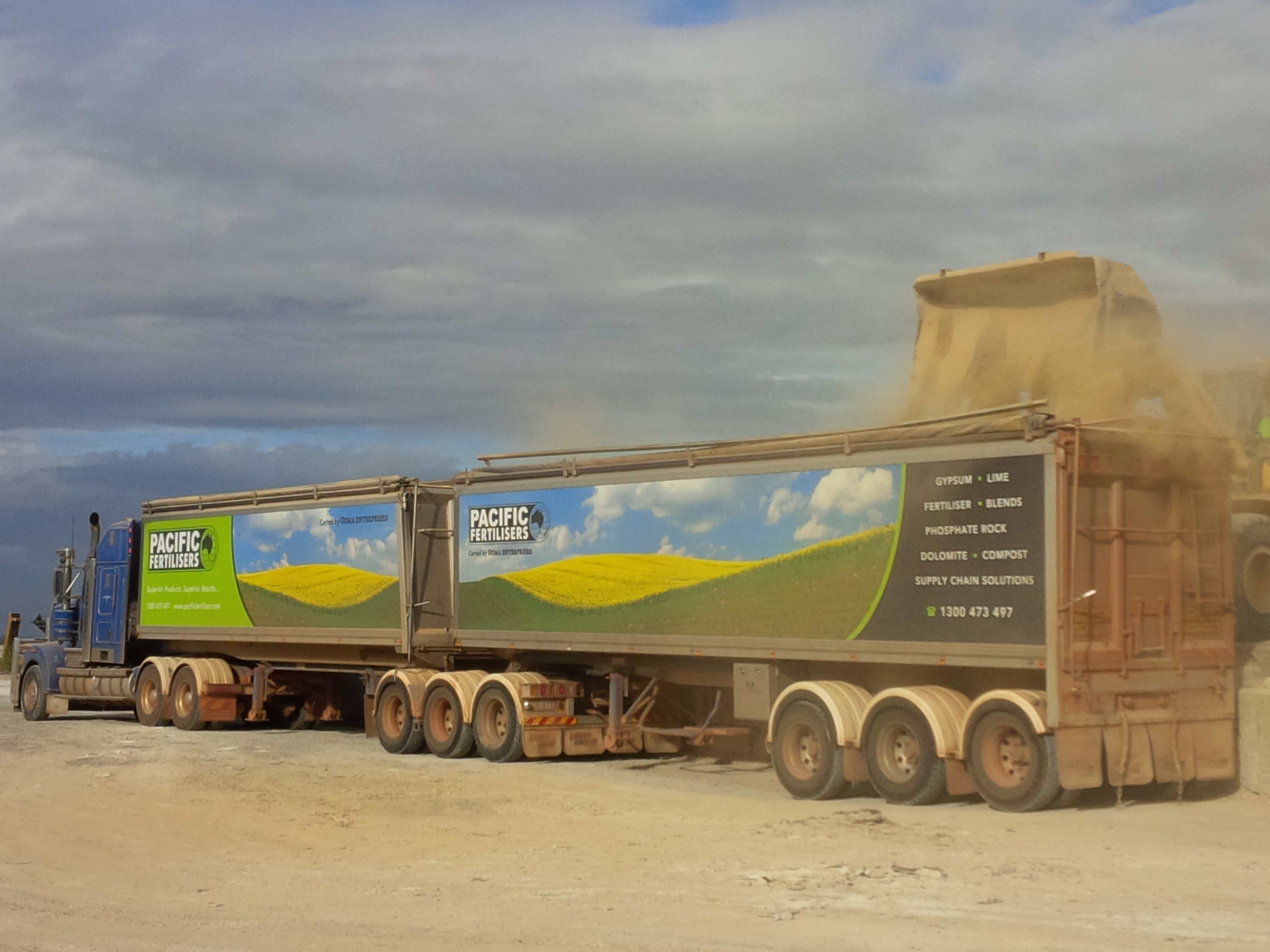
    Pacific Fertiliser is current supplying some large volumes of gypsum in QLD.

    To cater for the demand we had to assemble some of our trailers into a road train.

    QLD Gypsum


  • Gypsum Comparison Results 2015

    Gypsum Comparison Results 2015

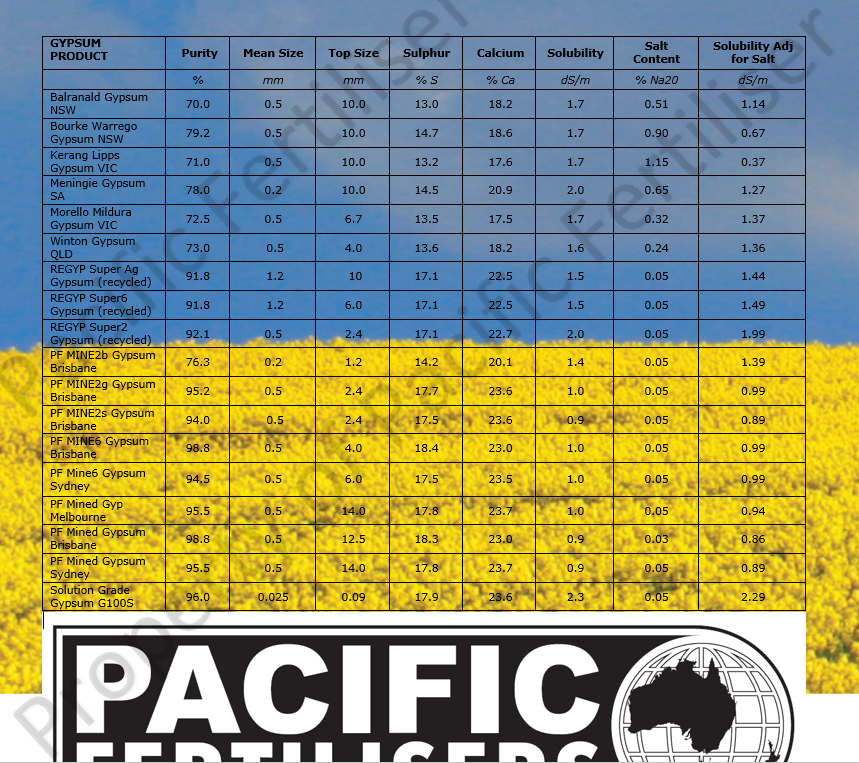
    Pacific Fertiliser recently undertook detailed research into the bulk agricultural gypsum products available on the eastern seaboard of Australia. This research continues on from the NSW Department of Primary Industries work in 1996 which was reported in the AgFact AC.10 (Agdex 514) document.

    The gypsum samples were obtained from various agricultural gypsum sources either ex mine pit or from product landed on the farm. Pacific Fertiliser and REGYP gypsum products were also tested during the research and these were taken from finished product stockpiles.

    The main items we tested for were gypsum purity, sizing and solubility. The results enable us to benchmark our products against others, but also to help customers in their evaluation of which gypsum to use when they are looking to purchase gypsum for their farm or project.

    When testing for gypsum solubility, we employed the method used in the AgFact AC.10 paper. This test method is more indicative of what happens in the paddock rather than the normal method to test solubility, where gypsum samples are finely ground up before being analysed. Due to the river bed gypsum having higher salt contents we had to adjust the solubility results to reflect the true gypsum solubility.

    If you have any questions or would like to view the full report please feel free to call 1300473497 or visit our website www.pacificfertiliser.com 

    Gypsum Comparison Sept2015

    Test Laboratory:
    Pacific Fertiliser commissioned Cement Australia to do the gypsum analysis work for our research. Cement Australia’s laboratory in Darra QLD is NATA approved and very proficient and experienced in testing gypsum and other minerals.

    Test Methods:
    Gypsum Purity:-                      Calculated from Sulphur (S) content. (18.6% Sulphur is 100% CaSO4.2H2O)
    Sulphur Content: –                  X-ray fluorescence (XRF)
    Total Calcium:-                         XRF
    Total Oxides:-                            XRF
    Moisture Content:-                 AS 4489.8.1, modified for gypsum by limiting heat to 40ºC for 24 hrs.
    Particle Size:-                             Analysis Dry sieve
    Gypsum Solubility:-                As per the method used in the NSW AGFACTS AC.10. Solubility is expressed as electrical conductivity (EC) of solution obtained by adding the equivalent of 10g of pure gypsum (CaSO4.2H2O) to 1 litre of demineralised water. This solution is gently shaken (20 times end over end) and placed in a centrifuge for 10 minutes. The unit of electrical conductivity is dS/m.
    Adjusted solubility:-                Pacific Fertiliser added a modified column to the analysis results in the above table, to allow for the effect on electrical conductivity in the gypsum samples with a higher salt content. The measured electrical conductivity (EC) of a solution is influenced by the concentration and composition of dissolved salts.  In the 1996 results Bourke solubility was 0.4 dS/m and Balranald was 1.0 dS/m.

    Please download a full copy of the research report here (13mB).


  • Gypsums  Ain’t  Gypsums

    Gypsums Ain’t Gypsums

    We recently have undertaken a large study to bench mark different gypsum products from different mines and processing plants to ascertain their quality in a 3rd party laboratory. See the results from the study where we used a NSW Ag Facts method to test gypsum solubility. Study link  http://pacificfertiliser.com/gypsum-comparison-results/846/. We also have a free Gypsum Cost Comparison spreadsheet we can send you, which can assist you to compare your various gypsum quotes from various suppliers in an apples with apples scenario.

    For many reasons gypsum can be considered to be a farmer’s best friend. Gypsum or CaSO4.2H20  is an excellent source of both Calcium and Sulphur which are essential for both yield and grain quality. However gypsum benefits go much further. As a soil amendment it helps improve the physical properties of soil, such as water retention, permeability, water infiltration, drainage, aeration and structure providing a better environment for the plant roots. The calcium can also displace harmful sodium in the soil, essential to the sustainability of most irrigated soils.

    Agricultural gypsum products can come in many forms like:

    • Natural Gypsum – Mined
    • Recycled from plasterboard – Super Ag Gypsum
    • Flue Gas scrubbing on power stations – FGD Gypsum
    • By-product of Fertiliser manufacture – Phospho Gypsum (from the old super plants – not available anymore)

    All of these variants of CaSO4.2H20  have calcium as calcium and sulphur as sulphate. When comparing any gypsum products you should consider the following items. Gypsum Purity (% of CaSO4.2H20), calcium and/or sulphur content depending on requirements, Solubility, Salts, Heavy metals (such as lead or cadmium), Contaminants (such as paper).


  • Another Gypsum Shipment into Sydney

    Another Gypsum Shipment into Sydney

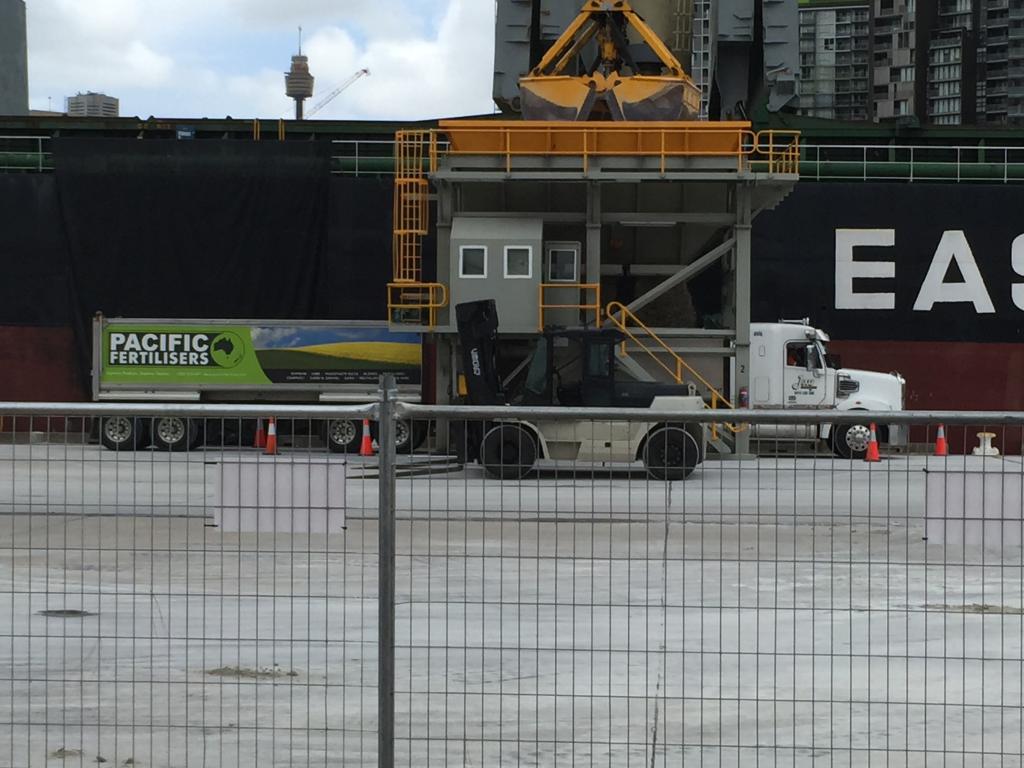
    Pacific Fertiliser’s is hard at work carting 30,000 tonne mined gypsum away from port.

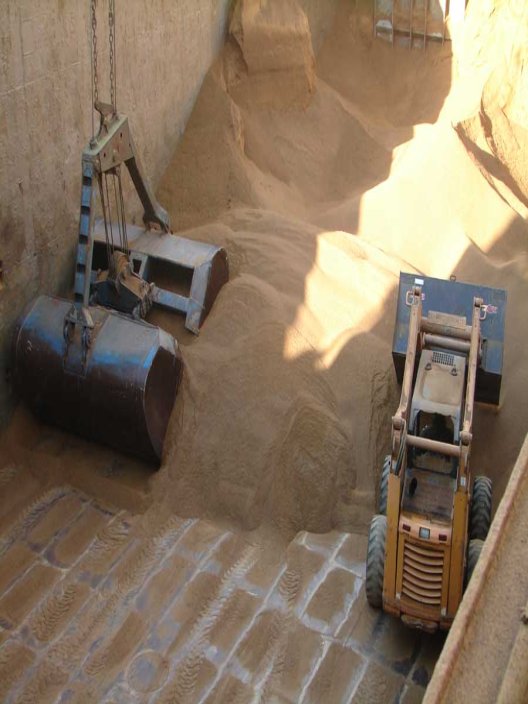
    Gypsum ship

  • Brisbane Gypsum

    Brisbane Gypsum

    PacFert can offer mined gypsum loading from bogie loads to road train trailers and B-doubles from Pinkenba and Port of Brisbane in QLD.

    Other special products and blends come out of the Ipswich site.

    We can package the natural high quality grade 1 gypsum with competitive bulk transport and spreading services.

    Our gypsum is 95+% pure, ensuring you aren’t buying, transporting and spreading a large percentage of dirt or other impurities.

  • Pacific Fertiliser releases a NEW Product Brochure

    PacFert releases a NEW Product Brochure outing some of its products.

    Please download a copy of the new Pacific Fertiliser product brochure using the following link


    download

  • RPR-GYP

    RPR-GYP

    RPR-GYP is a blend of both Pacific Fertiliser’s RPR2 Phosphate Rock and sub 2mm Mined Gypsum products, that provide an organic alternative to ordinary “super”.

    Unlike conventional acidified fertilisers, RPR-GYP provides a slow release source of plant-available phosphate, as well as calcium and sulphur needed for plant growth and healthy
    soils.

    All the products used in RPR-GYP are mined in Australia and are of the highest quality, ensuring you get a superior result, whilst supporting a local business.

    General Specifications 80/20:
    • Total P – 7.2%
    • Calcium – 22.3%
    • Sulphur – 4.5%

    We can do any blend ratio and also add in elemental sulphur to increase the dissolution of the RPR and the sulphur content.


    rolling

    DPI NSW Research in 2006

    In conventional broad acre agriculture, plant available soil phosphorous (P) is usually maintained with P fertiliser like superphosphate. In similar organic agricultural systems such fertilisers are unacceptable inputs so P is often deficient for crop and pasture production on organic farms. A survey of organic farms in south-eastern Australia in 2005 reported available soil phosphate (Olsen P) levels that were frequently less than 6mgP/kg which indicated deficiencies. Improved P management, including developing a fertiliser that would suit organic farming regulations, is required to sustain and increase production on these farms. Reactive rock phosphate (RPR) and elemental sulphur (S) are natural products, suitable for organic use.

    Field and pot experiments were done to measure the impact of ground RPR and co-treatment of RPR with finely ground S, on available soil phosphate, plant dry matter and P concentration. Under dryland farming conditions in this region of southern Australia (<600 mm rainfall, soil organic carbon <3%), co-treatment of RPR with S was necessary to increase Olsen P. The higher values of Olsen P were generally associated with increased plant dry matter, together with higher P concentration in the dry matter. The amount of S required was less the more acidic the soil, but greater than that reported as being effective in higher rainfall situations (>1000 mm) and higher soil organic carbon (11%).

    It was deduced that the S is probably required to overcome the constraint on the dissolution of RPR resulting from frequent periods of low soil moisture. It was concluded that for the south-eastern cropping zone, co-treatment of ground-reactive rock phosphate with finely ground elemental S at rations (RPR:S) of at least 2:1, depending on soil pH, is required for effective use of RPR even in strongly acidic soils. It was recommended that organic farmers may recover soil P fertility by applying RPR+ fertiliser to their most acidic paddocks, postponing soil liming and managing the paddocks to conserve soil moisture.

    http://www.dpi.nsw.gov.au/research/areas/productivity/farming-systems/scientific-outputs/2006/1018