Tag: pacific fertiliser

  • Macadamia Tree Blends

    Macadamia Tree Blends

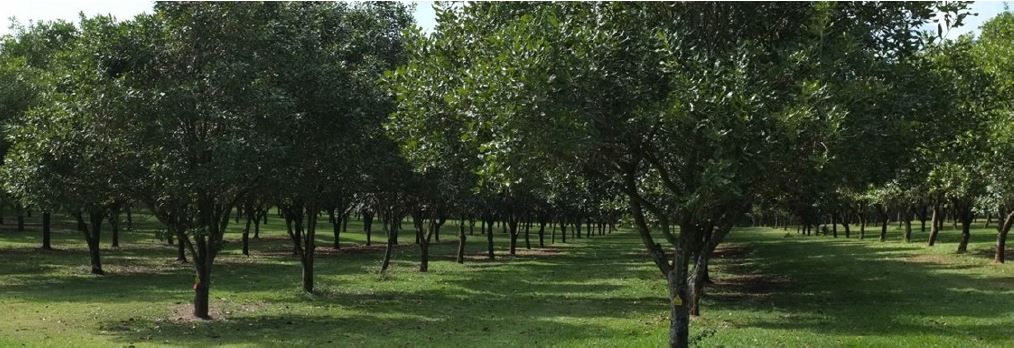
    Pacific Fertiliser can offer the following fertiliser blends for Macadamia trees:

    • Maca Blend 1 (14-4-11-14 + 0.9%B)   –  A full NPKS + B fertiliser blend consiting of  DAP/SOP/SOA

    Sustainble fertiliser Options:
    A granular blend of both manufactured fertiliser & organic minerals, blended with a unique nutrient mircrobial activator and soil catalyst.  The nitrogen in this blend consists of ammonium nitrogen, carbon coated Urea to reduce volitisation. Phosphorous is DAP as upfront, soft rock phosphate for sustainability, potassium as sulphate ,natural gypsum, a starter pack of zinc, Copper, boron, magnesium, manganese and our mineral te for supply of all micro nutrients.
    • Macca NPK Pro (12-4-7-7 +TEs)
    • Macca NPK Pro + 1% Boron (12-3-7-6 + 1% B + TEs)We have the ability to blend tailored fertiliser prescriptions with trace elements and minerals in tailored blends for your tree orchards. We also have soluble fertilisers such as ammonium nitrate, potassium nitrate, MAP and ammonium sulphates.

      Annual soil and leaf testing will provide valuable information about the reserves of nutrients available in the soil and currently being used by the Macadamia trees. Leaf tissue testing is a particularly efficient and accurate guide to nutrient uptake.


  • MagLime

    MagLime

    Maglime – is dolomitic limestone a pulverised calcium carbonate with magnesium carbonate product and is predominantly finer than 1000 microns.

    The Fine Maglime is quarried and produced in NSW and is processed under our quality program producing consistent chemical and physical properties suitable for agricultural and civil applications.

    Fine Maglime is used in agriculture and civil construction as a soil conditioner due to its high neutralising value and where both calcium and magnesium are required. It is typically used to reduce soil acidity and improve plant growth by helping to increase the availability of essential plant nutrients in the ground. When magnesium is in short supply plant growth will be reduced and yield will be potentially limited.

  • Tunza Fertiliser Range

    Tunza Fertiliser Range

    Tunza Fertiliser Blend Range below:

    5-15-0-6 Tunza crop Legume

    7-14-0-8 Tunza crop Pasture

    12-17-0-7 Tunza crop 12

    15-12-0-12 Tunza crop 15

    12-8-20-6 Tunza Fodder

    12-5-24-5 Tunza Hay

    14-12-12-5 Tunza Forage

    18-5-0-19 Tunza 18

    21-3-8-14 Tunza Graze

    24-4-13-5 Tunza Pasture

    26-4-13-6 Tunza Pasture (on SOP)

    26-10-0-12 Tunza Feed

    26-4-16-0 Tunza Dairy

    30-5-4-3 Tunza Grass Mg2.1%

    31-5-4-6 Tunza Grass

  • Global Fertiliser Prices

    Global Fertiliser Prices

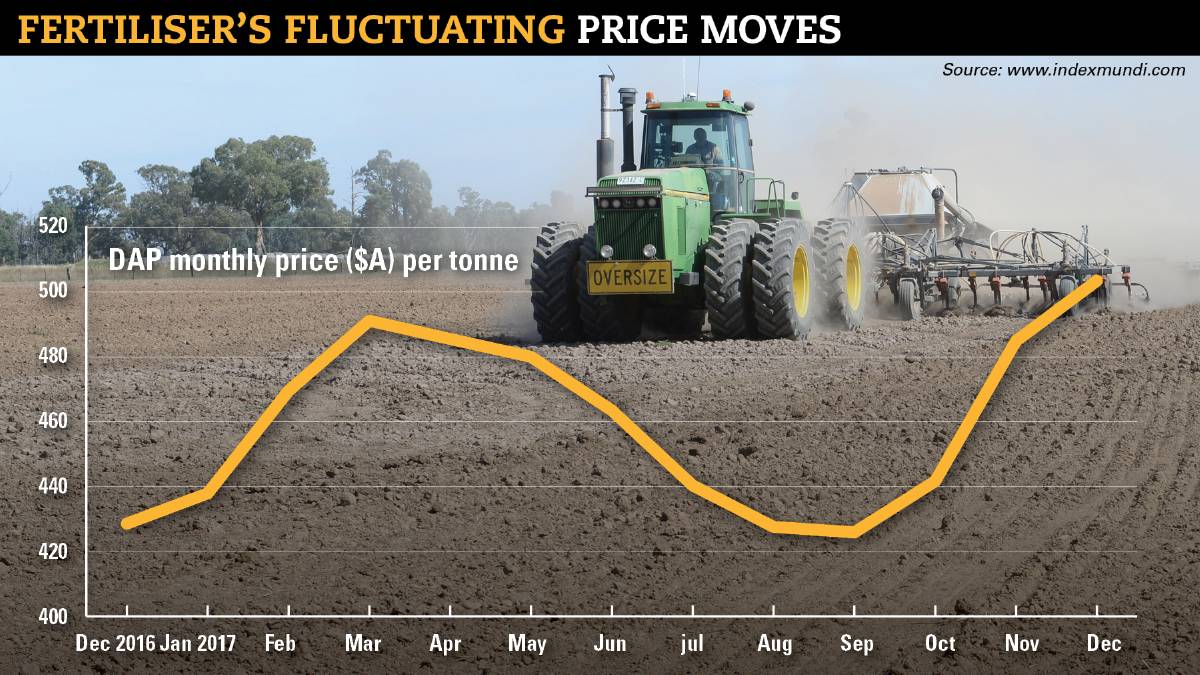
    Australian fertiliser prices have jumped over the last six months but are still relatively flat leading into the winter cropping season due to a lack of widespread rain. Single Super (SSP) prices are strong due to big demand from livestock producers seeing good conditions such as the strong wool price. Generally fertiliser prices are trending at average prices compared to the last decade.

    The Global Fertiliser Price Trends:

    Urea prices have been a bit volatile over the last 6mths but it has climbed ~16% over the last 6mths with more volatility predicted

    MAP/DAP are up ~20% over the last 6mths

    Rock Phosphate has been flat on the global markets

    Potassium chloride has risen 4%

    The global price leap has partly come about from closure of US Fertiliser giant Mosaic’s 53-year-old 2 million tonnes a year, Plant City facility in Florida, which suddenly reduced global volumes.


  • Organibor

    Organibor

    Organibor is designed to be applied once every 1-3 years depending on the crop, climatic and soil conditions, and will continually release boron over that period of time so the plants, vines or trees will have a continual supply of boron right through all of their growing phases. The effect on the tree is the same as if it was grown in boron rich soils.

    Organibor is a naturally occurring form of CaO MgO.3B2O3.6H2O, certified for organic use, magnesium/calcium borate that replenishes the boron levels in the soil in a controlled and natural way.

    The product looks like a whitish chip 95% between 2-4mm,  boron >10%, MgO 4.6% – 6.2% and available in bulkbags or pallets of 25kg bags. Organibor has  an Organic Certification BFA as an allowed input 10982A.

    We an also do a 50/50 boron blend of Granubor and Organibor – which provides a fast and slow release of boron into your crop/soil (blend 12% B, 8% Ca, 0.6% Mg)

    Application Rates
    Organibor is a controlled release fertiliser designed to release over several years, so the timing of application is not as critical, however, mid winter to late spring is the preferred time of application for most annual crops. Below is a guide to the expected application rates for selected crops.
    Apples 30kg – 70kg per ha
    Grapes 30kg – 70kg per ha
    Avocados 30kg – 70kg per ha
    Vegetable crops 30kg – 70kg per ha


    Boron is one of the essential trace elements that every plant relies on and is well known to be a valuable resource ensuring a plant’s healthy leaf development, flowering, reproductive cycle and seed development.

    Boron fertilisers generally come in the form of either sodium borate (highly soluble), calcium borate (extremely insoluble), or magnesium borate, which sits relatively in the middle. Growers using sodium borate face two key problems;
    1. Boron that is not taken up by plants leaches away or
    2. too much boron is released and taken up by the plant causing boron toxicity.

    Unlike sodium borates, Organibor can be applied to crops and pasture just once every 12 to 24 months depending on desired outcomes, soil and climate conditions.

    The calcium/magnesium borate chip releases boron at a similar rate to which most plants take up boron from the soil, therefore eliminating the risk of boron toxicity or creating boron-deficient environments.

  • Peterbuilt Visit

    Peterbuilt Visit

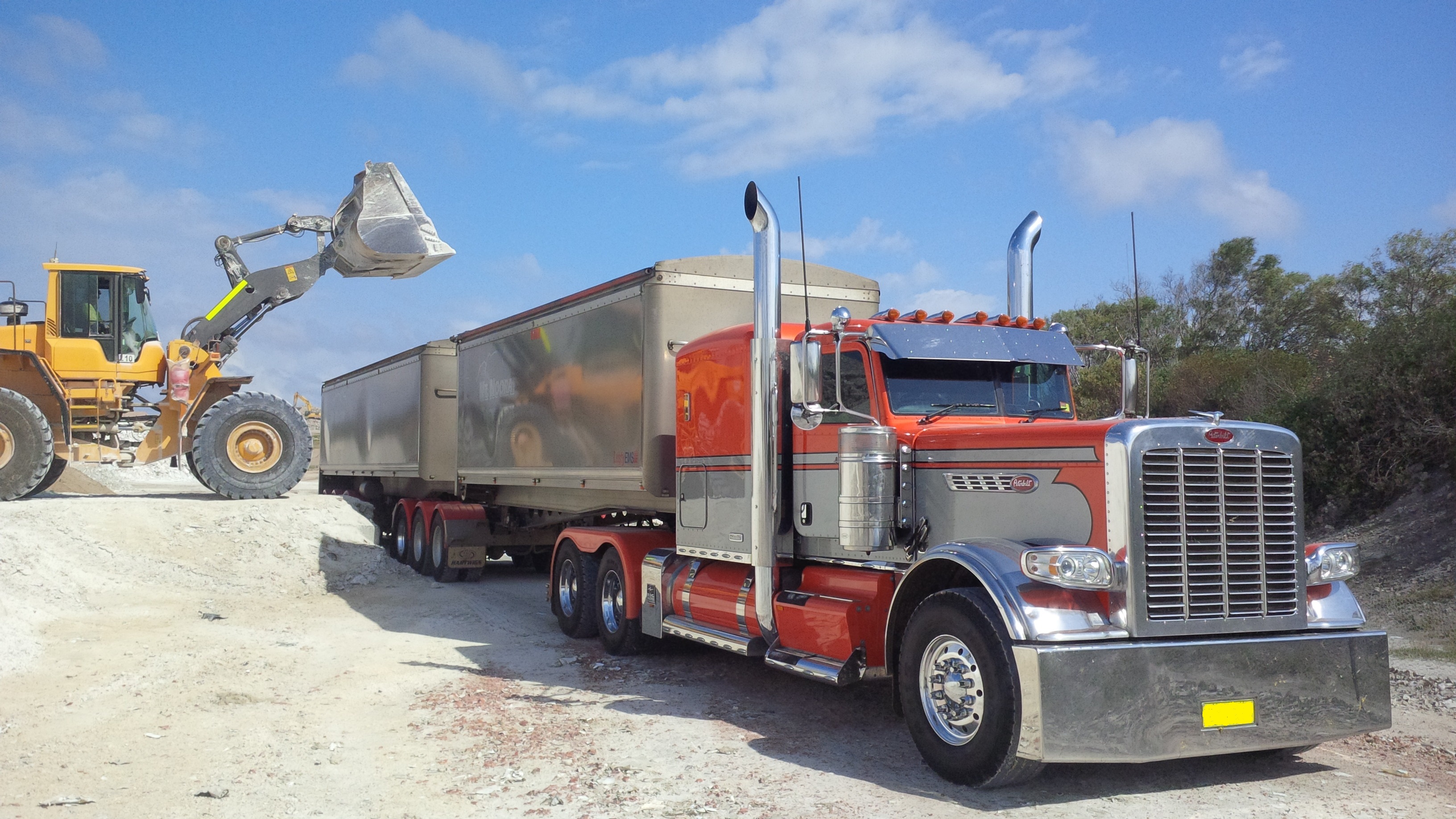
    A nice looking Peterbuilt rolls through site to get loaded with grade 1 gypsum.


  • Haifa Turbo-K Fertiliser

    Haifa Turbo-K Fertiliser

    Turbo K is a high performance NPK compound fertiliser

    Comprising of 14-14-17 + trace elements like Mg, Zn and Fe in every granule. The Granular NPK Complex Fertiliser is based on a Potassium Nitrate base. The product is suited to horticulture and turf applications.
    Adequate potassium nutrition is essential for healthy growth, for plant strength and for excellent yield quality. Haifa Turbo-K is low in sodium and chloride, and possesses a low salt index. This makes it ideal for salt-sensitive crops and for use under hot, dry climates, where salinity problems are more severe.

    The Turbo-K product is a superior complex NPK compound fertiliser generated off the back of Haifa’s very successful Multi-K Potassium Nitrate product.

    Various Turbo-K Fertiliser Blends:
    – Haifa Turbo-K, 14-14-17 + Mg + S + Fe, Zn
    – Haifa Turbo-K, 18-9-18 + Mg + S + Fe, Zn
    – Haifa Turbo-K, 15-15-15 + Mg + S + ME
    – Haifa Turbo-K, 12-10-16 + Mg + S + ME

  • Frit Industries

    Frit Industries

    Frit produces granular, powder and liquid micronutrient formulations in the oxide, sulfate, and chelated forms.

    Standard Products:

    F-156 G

    F-212 G

    F-220 G

    F-227 G

    F-287 G

    F-305 G

    F-317 G

    F-413 G

    F-420 G

    F-425 G

    F-503 G

    F-577 G –

    F-683 G

    FB-48 G

    Turf & Ornamental Products:

    F-227 GC

    F-287 GC

    F-358 G

    F-358 GC

    F-503 PS

    F-577 G

    F-577 GNS

  • Cotton Pre Plant Fertiliser

    Cotton Pre Plant Fertiliser

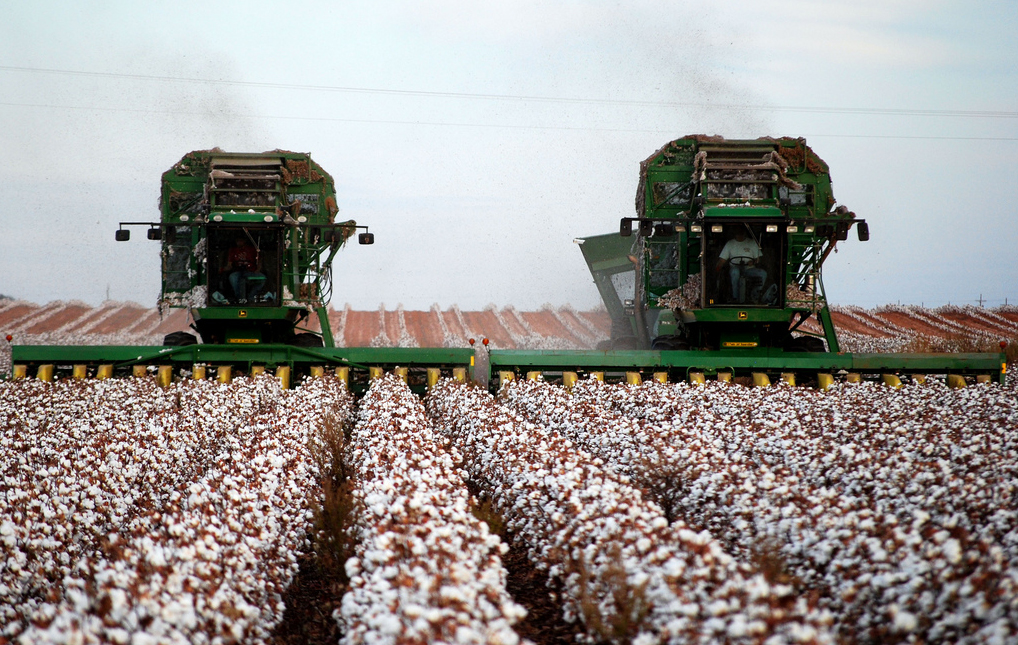
    Cotton Sustain (6-12-23-2) is a pre-plant fertiliser high in phosphorus and potassium that helps ensure potassium will be available to the coming crop.  Full analysis 6.1-12-22.5-2.2 + 0.05Zn

    Similar products are;

    TunzaCotton   6 – 12 – 23 – 1  + 0.55%  Zn

    Gain + Z 55K   6-12-23-2 + 0.55% Zn


  • Snow Melt Irrigation Treatment

    Snow Melt Irrigation Treatment

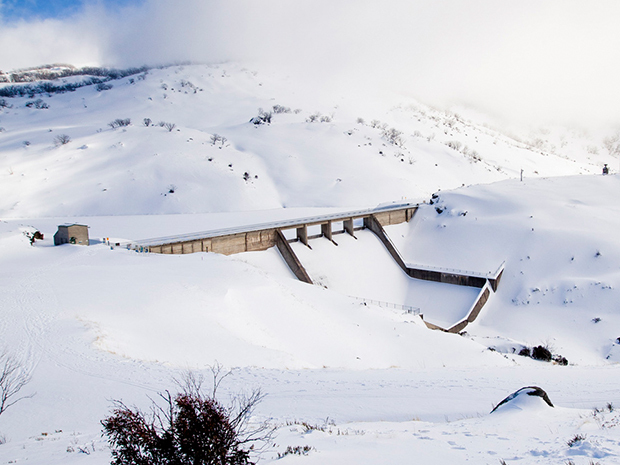
    The matter of irrigation water quality is becoming more important, since many growers are either irrigating with snow melt runoff from or poor-quality subsurface water. One of our most important current issues with growing crops in areas with alpine catchments is the issue of water quality and how it relates to soil structure, crop quality and crop production.

    Irrigation water that is very low in total salts can also be a problem because the low infiltration rate produces more run-off under the emitters. This is due to the high surface tension of low-salinity water, such as snow melt. The addition of any salt will tend to reduce this surface tension and increase water infiltration rates. Gypsum is a very common choice for this application.

    For irrigation water to be effective, it must penetrate into the soil, supplying enough water to sustain the crops until the next irrigation or rain event. But most snow melt irrigation water used can be harmful over the long term to good soil structure, and eventually to plant growth and crop quality. Because infiltration problems develop slowly, they are often overlooked and even go unnoticed. However, in many cases the soils become increasingly less productive.

    Salinity—electrical conductivity of water (EC)—and sodium content or sodicity—exchangeable sodium percent (ESP)—of irrigation water especially influence to what extent soil particles remain together or separate (flocculate and deflocculate). The higher the sodium content (and ESP) and lower the total salt content of irrigation water, the more likely soil particles will become separated and disorganized. This is caused by a chemical imbalance between calcium and sodium plus magnesium (both villains to good soil structure). Since both salinity and the amount of sodium and magnesium in irrigation water influence aggregate stability, all must be considered when determining the likelihood that water quality can reduce water infiltration.

    Correcting Water Penetration Problems. There are several ways to help improve water infiltration problems including:
    • The addition of calcium to the water or soil of Gypsum which is a salt based mineral containing both calcium and sulphur
    • Physically breaking surface crusts and compacted soils with use of chisels, rippers, etc.
    • The addition and use of organic matter such as composts and manures to improve the stability of soil aggregates
    • The use of wetting agents and related products that can greatly help with soil hydrophobicity.