Tag: dalby gypsum

  • Gypsum Quality Comparison Report 2017

    Gypsum Quality Comparison Report 2017

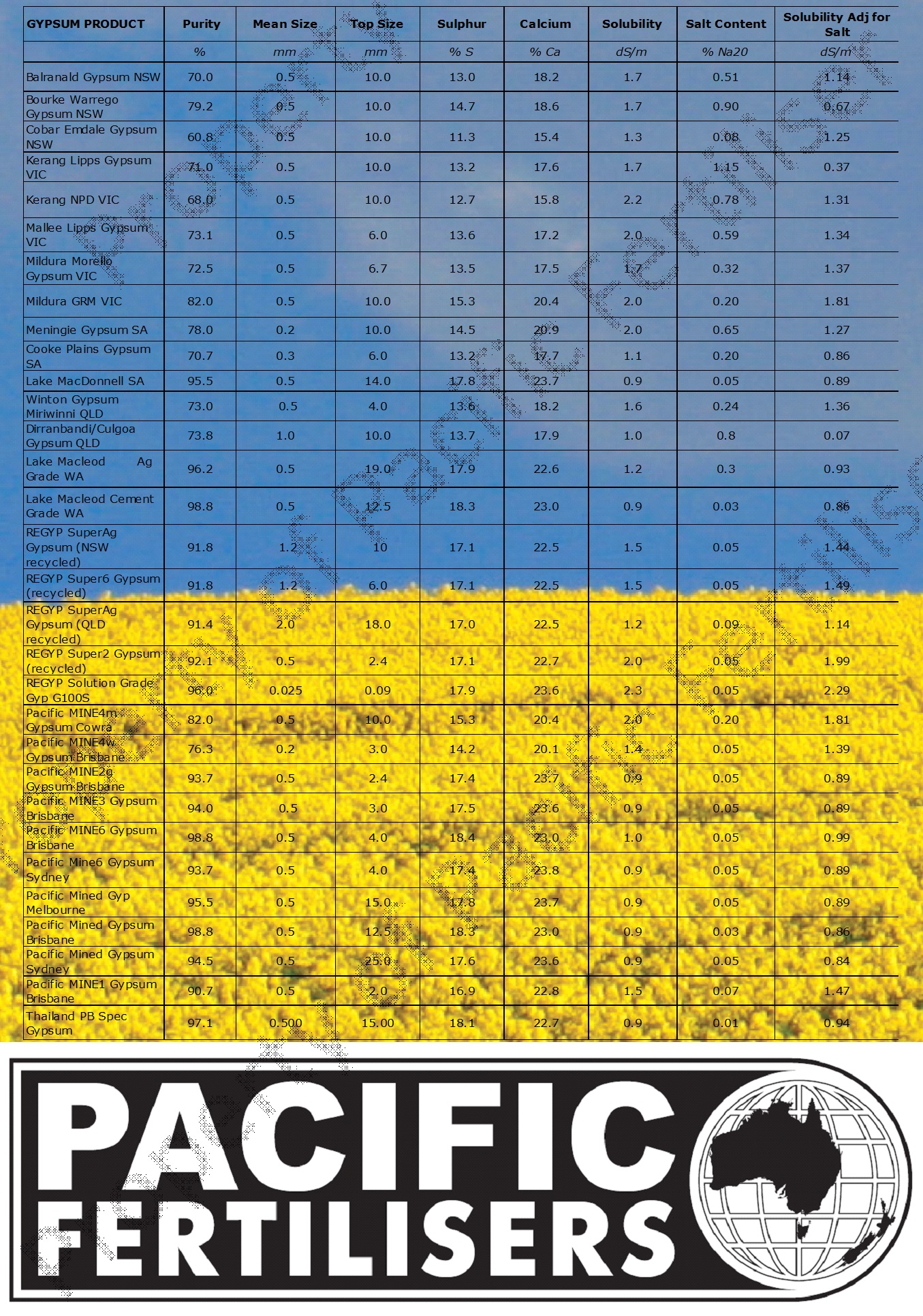
    Pacific Fertiliser recently added more gypsum pits to a study it undertook in 2015 for detailed research into the bulk agricultural gypsum products available on the eastern seaboard of Australia. This research continues on from the NSW Department of Primary Industries work in 1996 which was reported in the AgFact AC.10 (Agdex 514) document.

    The numerous gypsum samples were obtained from various agricultural gypsum sources either ex mine pit or from product landed on the farm. Pacific Fertiliser natural gypsum and REGYP recycled gypsum products were tested during the research and these were taken from our finished product stockpiles.
    The main items we tested for were gypsum purity, sizing and solubility. The results enable us to benchmark our products against others, but also to help customers in their evaluation of which gypsum to use when they are looking to purchase gypsum for their farm or project.

    When testing for gypsum solubility, we employed the method used in the AgFact AC.10 paper. This test method is more indicative of what happens in the paddock rather than the normal method to test solubility, where gypsum samples are finely ground up before being analysed. Due to the river bed gypsum having higher salt contents we had to adjust the solubility results to reflect the true gypsum solubility.

    If you have any questions or would like to view the full report please feel free to call 1300473497 or visit our website www.pacificfertiliser.com 

    Test Laboratory:
    Pacific Fertiliser commissioned Cement Australia to do the gypsum analysis work in 2015 through to 2017 for our research. Cement Australia’s laboratory in Darra QLD is NATA approved and very proficient and experienced in testing gypsum and other minerals.

    Test Methods:
    Gypsum Purity:-                      Calculated from Sulphur (S) content. (18.6% Sulphur is 100% CaSO4.2H2O)
    Sulphur Content: –                  X-ray fluorescence (XRF)
    Total Calcium:-                         XRF
    Total Oxides:-                            XRF
    Moisture Content:-                 AS 4489.8.1, modified for gypsum by limiting heat to 40ºC for 24 hrs.
    Particle Size:-                             Analysis Dry sieve
    Gypsum Solubility:-                As per the method used in the NSW AGFACTS AC.10. Solubility is expressed as electrical conductivity (EC) of solution obtained by adding the equivalent of 10g of pure gypsum (CaSO4.2H2O) to 1 litre of demineralised water. This solution is gently shaken (20 times end over end) and placed in a centrifuge for 10 minutes. The unit of electrical conductivity is dS/m.
    Adjusted solubility:-                Pacific Fertiliser added a modified column to the analysis results in the above table, to allow for the effect on electrical conductivity in the gypsum samples with a higher salt content. The measured electrical conductivity (EC) of a solution is influenced by the concentration and composition of dissolved salts.  In the 1996 results Bourke solubility was 0.4 dS/m and Balranald was 1.0 dS/m.

    Please download a full copy of the research report here (17mB)


  • Wandoan Gypsum

    Wandoan Gypsum

    Pacific Fertilisers supplies gypsum into the Wandoan and Roma areas regularly for Gas, Civil and agricultural applications.


  • Treatment of salts from Manure application

    Treatment of salts from Manure application

    Animal manure when applied to cropland, can supply nitrogen and other nutrients necessary for plant growth. Asutralia’s soils are generally naturally low in organic matter. The use of animal manure on cropland can increase the tilth, aeration, water-and nutrient-holding capacities, infiltration rate, organic matter content, and microbial activity of soil.

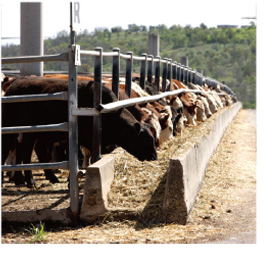
    Manures from concentrated animal feeding operations such as the feedlots in the Darling Downs are usually high in salt content. Most dairy and feedlot manures contain 5 to 10% salt (50,000 to 100,000 ppm). Frequent and/or large (20 tons per acre) applications of manure to cropland increases the risk of salt injury to plants. Salt-sensitive plants such as lettuce, tree fruits and nuts are especially susceptible.

    Gypsum improves soil structure by displacing sodium (and magnesium) on the surface of clay particles with calcium. Gypsum is sparingly soluble, but the sodium (and magnesium) sulphates that form in the soil solution are very soluble. Water additions (rain/irrigation) is required to leach these soluble salts out of the topsoil deeper into the soil profile, away from zone in which crop roots will be growing.

    oakey feedlot

  • Five Key Benefits of Gypsum You Should Know

    Five Key Benefits of Gypsum You Should Know

    Here are five key benefits of gypsum application:

    1. Source of calcium and sulfur for plant nutrition. Plants are becoming more deficient for sulfur and mot soil are not supplying it. Gypsum is an excellent and cheap source of sulfur for plant nutrition and improving crop yield.

    2. Improves soil structure. Flocculation, or aggregation, is needed to give favorable soil structure for root growth and air and water movement. Clay dispersion and collapse of structure at the soil-air interface is a major contributor to crust formation. Gypsum has been used for many years to improve aggregation and inhibit or overcome dispersion in sodic soils. Soluble calcium enhances soil aggregation and porosity to improve water infiltration. This is important to manage the calcium status of the soil, just like managing NPK levels.In soils having unfavorable calcium-magnesium ratios, gypsum can create a more favorable ratio. The addition of soluble calcium can overcome the dispersion effects of magnesium or sodium ions and help promote flocculation and structure development in dispersed soils.

    3. Improves water infiltration. Gypsum also improves the ability of soil to drain and not become waterlogged due to a combination of high sodium, swelling clay and excess water. When gypsum is applied to the soil, it allows water to move into the soil and allow the crop to grow well.Increased water-use efficiency of crops is extremely important during a drought and with the increased costs of irrigation water and power bills. Better soil structure allows all the positive benefits of soil-water relations to occur and gypsum helps to create and support good soil structure properties.

    4. Gypsum improves water infiltration rates into soils and also hydraulic conductivity of the soil. It is protection against excess water run-off from especially large storms that are accompanied with erosion. Helps reduce runoff and erosion. Agriculture is considered to be one of the major contributors to water quality, with phosphorus runoff the biggest concern. Experts explained how gypsum helps to keep phosphorus and other nutrients from leaving farm fields. Gypsum should be considered as a Best Management Practice for reducing soluble P losses.

    5. Improves acid soils and treats aluminum toxicity. Gypsum has the ability to reduce aluminum toxicity, which often accompanies soil acidity, particularly in subsoils. Gypsum can improve some acid soils (sodic soils) even beyond what lime can do for them, which makes it possible to have deeper rooting with resulting benefits to the crops. Top dressed gypsum leaches down to to the subsoil and results in increased root growth. Gypsum can also increase the effectiveness of liming when treating acid soils.


  • QLD Gypsum Products

    QLD Gypsum Products

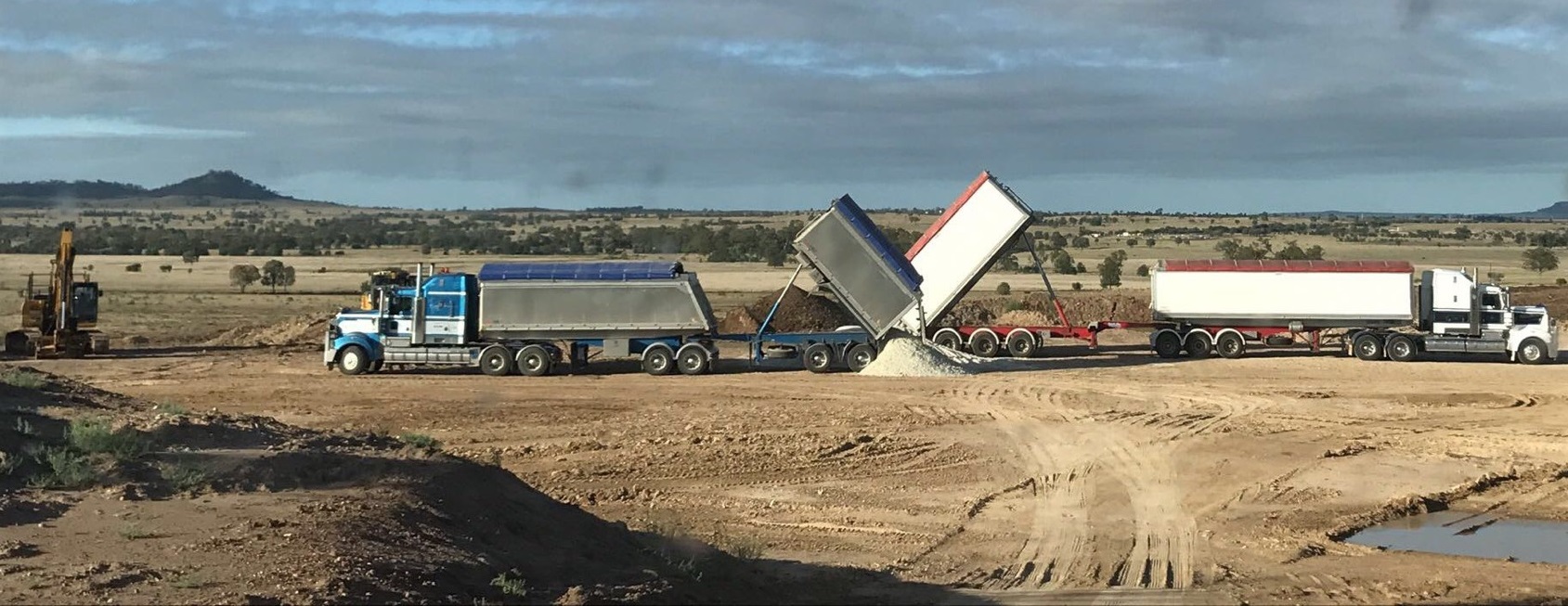
    Pacific Fertiliser supplies numerous gypsum products into the QLD market.

    The gypsum products include:
    – QLD Mined gypsum
    – QLD Screened mined gypsum
    – QLD Milled gypsum
    – QLD superflocc gypsum
    – QLD Prilled gypsum & QLD Granulated gypsum
    – QLD gypsum blends (with products like phosphate, lime, elemental sulphur etc)
    – QLD Recycled gypsum

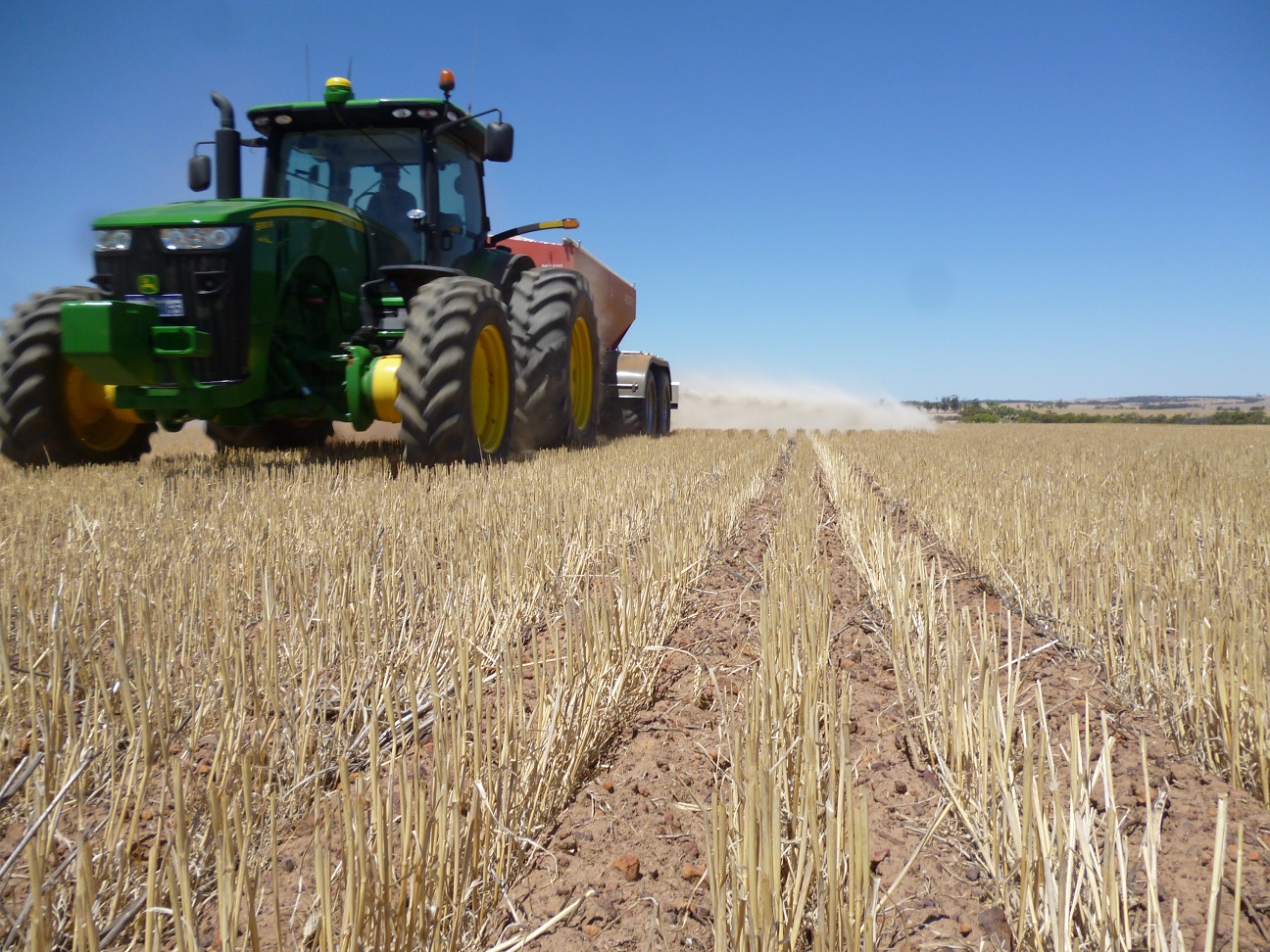
    Pacific Fertiliser supplies gypsum to the QLD market for agricultural, mining and civil engineering applications. The gypsum products are available in bulk and bag.

    gypsum

    Pacificfertiliser

  • Dam Construction Products

    Dam Construction Products

    [fusion_builder_container type=”flex” hundred_percent=”no” equal_height_columns=”no” menu_anchor=”” hide_on_mobile=”small-visibility,medium-visibility,large-visibility” class=”” id=”” background_color=”” background_image=”” background_position=”center center” background_repeat=”no-repeat” fade=”no” background_parallax=”none” parallax_speed=”0.3″ video_mp4=”” video_webm=”” video_ogv=”” video_url=”” video_aspect_ratio=”16:9″ video_loop=”yes” video_mute=”yes” overlay_color=”” video_preview_image=”” border_color=”” border_style=”solid” padding_top=”” padding_bottom=”” padding_left=”” padding_right=””][fusion_builder_row][fusion_builder_column type=”1_1″ layout=”1_1″ background_position=”left top” background_color=”” border_color=”” border_style=”solid” border_position=”all” spacing=”yes” background_image=”” background_repeat=”no-repeat” padding_top=”” padding_right=”” padding_bottom=”” padding_left=”” margin_top=”0px” margin_bottom=”0px” class=”” id=”” animation_type=”” animation_speed=”0.3″ animation_direction=”left” hide_on_mobile=”small-visibility,medium-visibility,large-visibility” center_content=”no” last=”true” min_height=”” hover_type=”none” link=”” border_sizes_top=”” border_sizes_bottom=”” border_sizes_left=”” border_sizes_right=”” first=”true”][fusion_text]

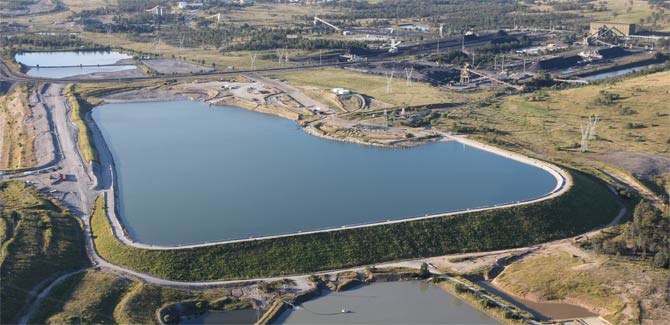
    Pacific Fertiliser can supply numerous products for dam construction projects, or both large and small ponds. these include:
    • Gypsum for dam wall soil stabilisation
    • Bentonite for dam wall sealing
    • Various lime products
    • Superflocc gypsum for reducing water turbidity by removing sediment to increase water quality

    We can supply products for both large dams and small ponds.

    Some of the previous large projects we have been involved with prior to 2014:
    • Bulga S10 Dam -Hunter Valley NSW
    • Bulga CHPP Surge Dam – Xstrata – Hunter Valley NSW – $24m – 3000 ML
    • Mt Thorley Dam – Warkworth Mining – South Pit Dam – Hunter Valley NSW – $6m – 2GL
    • Talgarth Farm Dam – Hunter Valley NSW – 100 ML
    • Monreagh Storage Dam – Origin Energy CSG – 3000ML
    • Kenya Dam – QGC  CSG
    • Orana Dam – Origin CSG
    • Bengalla CW1 Dam – Hunter Valley NSW
    • Bengalla Mine Dry Creek Diversion Project – Hunter Valley NSW
    • Bengalla Mine Spill Dams – Hunter Valley NSW

    dam stabilisation with gypsum

    [/fusion_text][/fusion_builder_column][/fusion_builder_row][/fusion_builder_container]

  • QLD Projects using Gypsum

    QLD Projects using Gypsum

    Pacific Fertiliser supplies high quality gypsum & lime into the majority of the major QLD mining projects due to the superior quality of its products and reliability of delivery. Some application include stabilisation, rehabiliation, flocculation and water treatment.

    dampier

    Coal Projects
    Wandoan Juandah Metrocoal $10M
    Chinchilla Glen Wilga Coal Mine Tarong Energy $500M
    Kogan Kogan Creek Mine CS Energy $1.2B
    Wandoan Norwood Creek Project Metrocoal
    Wandoan Wandoan Coal Project Xstrata Coal $6.8B
    Macalister Wilkie Creek Expansion Project Peabody Energy $162M
    Wandoan Woori Creek Project Surat Coal Pty Ltd / Cockatoo Coal
    Miles Columboola Joint Venture Project Metrocoal / Sinocoal Resources $4M
    Wandoan Bundi Coal Mine Metrocoal
    Cameby Cameby Downs Mine Yancoal $190M
    Cameby Cameby Downs Expansion Project Yancoal
    Wandoan Elimatta Project Taroom Coal Pty Ltd / North Energy Corporation (NEC) $600M
    Wandoan The Range Stanmore Coal $500m

    CSG Projects
    Chinchilla Queensland Curtis LNG Pipeline QGC / BG Group $15B
    Chinchilla – Arrow Surat Pipeline $550M
    Chinchilla Ironbark Project Origin $1.5B
    Wandoan – Dalby Surat Basin Gas Project Arrow Energy $1.5B +
    Yuleba North – Reedy Creek, Combabula & Eurombah Creek
    Condabri Central – Condabri & Orana


    CSG Pipeline Projects
    Chinchilla Kenya – Goodiwindi Pipeline Project ERM Power
    Chinchilla Queensland Curtis LNG Pipeline QGC / BG Group $15B
    Kogan / Chinchilla Surat Pipeline Project Arrow Energy $550M
    Wallumbilla – Chinchilla Australia Pacific LNG Origin $500M

    LNG Projects
    Chinchilla Chinchilla LNG Plant QGC / BOC

    Power Station Projects
    Wandoan Wandoan Power Project GE Energy / Xstrata
    Kogan Western Downs to Halys Transmission Project Powerlink
    Kogan Braemar 1 ERM Power $545M
    Kogan Braemar 2 ERM Power / Arrow Energy $546M
    Kogan Braemar 3 ERM Power $550M
    Cameby Columboola – Westerns Downs Powerlink
    Condamine Condamine Power Station QGC $200M
    Dalby Darling Downs Power Station Origin $1.3B
    Dalby Daandine Power Station Arrow Energy

    Solar Projects
    Wandoan Methane Joint Venture Project Cougar Energy $110M
    Kogan Bloodwood Creek Carbon Energy $36M
    Condamine Andrew Project and Lauren Project Liberty Resources
    Chinchilla UCG – GTL Project Linc Energy $1.2B

    Rail Projects
    Wandoan Southern Missing Link Surat Basin Rail Pty Ltd $1B

  • Gypsum is White Gold

    Gypsum is White Gold

    Pacific Fertiliser Gypsum Is Almost A Universal Soil Amendment

    Irrigated land eventually leads to sodicity and salinity unless extreme care is taken. Gypsum is a key ingredient for the maintenance of agriculture on many types of soils and over a wide pH range including sodicity.  Advantages of Pacific gypsum in addition to prevention and correction of sodicity include greater stability of soil organic matter, more stable soil aggregates., improved water penetration into soil, and more rapid seed emergence.

    The need for gypsum in amounts varying from small to large is almost universal. Gypsum and water-soluble polymers magnify the value of each other. Together they have an important role in making a better environment, especially for growing plants..

    Regular use of gypsum is essential to the sustainability of most irrigated soils. It has been used as a soil amendment and fertilizer for over 200 years. Gypsum is calcium sulfate. The most common form of it is the dihydrate– which means that each molecule of calcium sulfate has two water molecules associated with it. It is expressed as CaSO4 2H2O.

    Some Reasons For Using Gypsum:

    Gypsum Improves Soil Structure:
    Gypsum provides calcium which is needed to flocculate clays in acid and alkaline soil. It is the process in which many individual small clay particles are bound together to give much fewer but larger particles. Such flocculation is needed to give favorable soil structure for root growth and air and water movement.

    Gypsum Helps Reclaim Sodic Soils:
    Gypsum is used in the reclamation of sodic soils. Where the exchangeable sodium percentage (ESP) of sodic soils is too high, it must be decreased for soil improvement and better crop growth. The most economical way is to add gypsum which supplies calcium. The calcium replaces the sodium held on the clay-bind sites. The sodium can then be leached from the soil as sodium sulfate to an appropriate sink. The sulfate is the residue from the gypsum. Without Gypsum, the soil would not be leachable. Sometimes and ESP of three is too high, but sometimes up to ten or more can be tolerated. The range is partly the result of concentration of soluble salts.

    Gypsum Prevents Crusting of Soil and Aids Seed Emergence:
    Gypsum can decrease and prevent the crust formation on soil surfaces which result from rain drops or from sprinkler irrigation on unstable soil. It can even prevent crusting that results when acid soils are limed – the gypsum is co-applied with the lime. The gypsum is either surface applied or put on in the irrigation system. Prevention of crust formation means more seed emergence, more rapid seed emergence, and easily a few days sooner to harvest and market. Seed emergence has been increased often by 50 to 100 percent. The prevention of crusting in dispersive soils is a flocculation reaction.

    Gypsum Improves Low-Solute Irrigation Water:
    Gypsum is used to increase the solute concentration of low-solute water used for irrigation. Irrigation water from rivers that no longer have sources of leachable salts either penetrates poorly into soil or causes soil particles to degrade which results in low-water penetration. Rain water can behave the same way and result in soil compaction. The problem can be corrected with surface-applied gypsum or application to the irrigation water.

    Gypsum Improves Compacted Soil:
    Gypsums can help break up compacted soil and decrease penetrometer resistance. Soil compaction can be prevented by not plowing or driving machinery on soil when it is too wet. The compaction in many (but not all soils) can be decreased with gypsum, especially when combined with deep tillage to break up the compaction. Combination with organic amendments also helps, especially in preventing return of the compaction.

    Gypsum Makes Slightly Wet Soils Easier to Till:
    Soils that have been treated with gypsum have a wider range of soil moisture levels where it is safe to till without danger of compaction or deflocculation. This accompanied with greater ease of tillage and more effective seedbed preparation and weed control. Less energy is need for the tillage.

    Gypsum Stops Water Run-off And Erosion:
    Gypsum improves water infiltration rates into soils and also hydraulic conductivity of the soil. It is protection against excess water run-off from especially large storms that are accompanied with erosion.

    Gypsum Decrease pH of Sodic Soils:
    Gypsum immediately decreases the pH of sodic soils or near sodic soils from values over 9 but usually over 8 to values from 7.5 to 7.8. hydrolysis values are in the range of acceptability for growth of most crop plants. Probably more than one mechanism is involved.

    Gypsum Increases the pH of Acidic Soils:
    One mechanism in which gypsum can increase soil pH enough in some acid soils to sufficiently decrease the level of soluble aluminum to grow crops satisfactorily is replacement of hydroxyl ions from some clay lattices by sulfate ions.

    Gypsum Improves Swelling Clays:
    Gypsum can decrease the swelling and cracking associated with high levels of exchangeable sodium on the montmorillonite-type clays (Aldrich and Schoonover 1951). As sodium is replaced by calcium on hydrolysis clays, they swell less and therefore do not easily clog the pore spaces through which air, water and roots move.

    Gypsum Prevents Waterlogging of Soil:
    Gypsum improves the ability of soil to drain and not become waterlogged due to a combination of high sodium, swelling clay, and excess water. Improvements of infiltration rate and hydraulic conductivity with use of gypsum add to the ability of soils to have adequate drainage.

    Gypsum Increases the Stability of Soil Organic Matter:
    Gypsum is a source of calcium which gives stability to soil aggregates. The value of organic matter applied to soil is increased when it is applied with gypsum.

    Gypsum Makes Water-Soluble Polymer Soil Conditioners More Effective:
    Gypsum complements or even magnifies the beneficial effects of water- soluble polymers used as amendments to improve soil structure. Like for organic matter, calcium, which comes from gypsum, is the mechanism for binding of the water-soluble polymers to the clay in soil.

    Gypsum Makes Excess Magnesium Non-Toxic:
    In soils having unfavorable calcium: magnesium ratios, such as serpentine soils, gypsum can create a more favorable ratio.

    Gypsum Corrects Subsoil Acidity:
    Gypsum can improve some acid soils even beyond what lime can do for them. Surface crusting an be prevented. The effect of toxic soluble aluminum can be decreased, including in the subsoil where lime will not penetrate. It is then possible to have deeper rooting with resulting benefits to the crops. The mechanism is more than replacement of acidic hydrogen ions which can be leached from the soil to give higher pH. Hydrogen ions don’t migrate rapidly in soils containing clay. Gypsum is now being widely used on acid soils.

    Gypsum Can Enhance The Values of Liming:
    Addition of gypsum and lime to soil can increased crop yields. The combination also decreased leaching losses of potassium and magnesium.

    Gypsum Improves Water-Use Efficiency:
    Gypsum increases water-use efficiency of crops. In areas and times of drought, this is extremely important. Improved water infiltration rates, improved hydraulic conductivity of soil, better water storage in the soil all lead to deeper rooting and better water-use efficiency. From 25 to 100 percent more water is available in gypsum- treated soils than in non-treated soils.

    Gypsum Creates Favorable Soil EC:
    Gypsum, being readily soluble, results in a proper buffered solute concentration (EC) in soil to maintain soil in a flocculated state. It is better environmentally and cost-wise to maintain the needed EC with gypsum than with excess application of fertilizers. Regular annual applications of gypsum are needed for this purpose. Many highly weathered soils throughout the world have surface crusting because of low electrolyte content This can be corrected with gypsum.

    Gypsum Makes It Possible to Efficiently Use Low-Quality Irrigation Water:
    Gypsum is essential when low-quality irrigation water must be used. The effective sodium absorption ration SAR) of irrigation water should be less than 6 for some crops and less than 6 for some crops and less than 9 for others. When it exceeds hydrolysis limits, gypsum should be applied to the soil or to the water. Use of reclaimed municipal waste water is important for conservation of natural resources. Reclaimed water can be satisfactorily used if amendments, such as gypsum and water-soluble polymers, are also used. Care must be taken, however, to avoid sodium build-up in the lower horizons of soil because of excessive leaching when swelling clays are present.

    Gypsum Decreases Dust Erosion:
    Use of gypsum can decease wind and water erosion of soil. Severe dust problems can be decreased, especially when combined with uses of water-soluble polymers. Less pesticide and nutrient residues will escape from the surface of land to reach lakes and rivers when appropriate amendment are used to stabilize soil.

    Gypsum has several environmental values:

    Gypsum Helps Plants Absorb Plant Nutrients:
    Calcium, which is supplied in gypsum, is essential to the biochemical mechanisms by which most plant nutrients are absorbed by root). Without adequate calcium, uptake mechanisms would fail.

    Gypsum Decrease Heavy-Metal Toxicity:
    Calcium also acts as a regulator of the balance of particularly the micro-nutrients, such as iron, zinc, manganese and copper, in plant. It also regulates non- essential trace elements. Calcium prevents excess uptake of many of them; and once they are in the plant, calcium keeps them from having adverse effects when their levels get high. Calcium in liberal quantities helps to maintain a healthy balance of nutrients and non- nutrients within plants. Gypsum contains calcium.

    Gypsum Increases Value Of Organics:
    Gypsum adds to the value of organic amendments. Blends of gypsum and organics increase the value of the other as soil amendments, especially for improvement of soil structure. High levels of soil organic matter are always associated with liberal amounts of calcium which is part of gypsum. Calcium decreases burn-out of soil organic matter when soils are cultivated by bridging the organic matter to clay.

    Gypsum Improves Fruit Quality and Prevents Some Plant Diseases:
    Calcium is nearly always only marginally sufficient and often deficient in developing fruits. Good fruit quality requires and adequate amount of calcium. Calcium moves very slowly, if at all, from one plant part to another and fruits at the end of the transport system get too little. Calcium must be constantly available to the roots. In very high pH soils, calcium is not available enough; therefore, gypsum helps. Gypsum is used for peanuts, which develop below the ground, to keep them disease-free.

    Gypsum helps prevent blossom-end root of watermelons and tomatoes, and bitter pit in apples. Gypsum is preferred over lime for potatoes grown in acidic soils so that scab may be controlled. Root rot of avocado trees caused by Phytothora is partially corrected by gypsum and organics.

    Gypsum Is A Source Of Sulfur:
    Gypsum is a source of fertilizer sulfur. Due to the trend to production of high-analysis fertilizers and due to the need of removing sulfur dioxide emission in industrial operations to give cleaner air, more and more sulfur deficiencies are present in agriculture.

    Gypsum Helps Prepare Soil For No-Till Management:
    A liberal application gypsum is a good procedure for starting a piece of land into no-till management or pasture. Improved soil aggregation and permeability will persist for years and surface-applied fertilizers will more easily penetrate as result of the gypsum.

    Gypsum Decreases Bulk Density of Soil:
    Gypsum-treated soil has a lower bulk density compared with untreated soil. Organics can even decrease it more when both are used. The softer soil is easier to till, and crops like it better.

    Gypsum Decreases the Toxic Effect of Salinity:
    Calcium from gypsum has a physiological role inhibiting the uptake of sodium by plants). For species of plants not tolerant to sodium, calcium protects from toxicity of sodium but not chloride. Calcium overcomes toxic effects of sodium chloride salinity on seed germinations and plant growth.

    Gypsum Can Decrease pH of Rhizosphere:
    Increased calcium uptake by roots when gypsum is applied can decrease the pH of the rhizosphere. In high pH soils, the added availability of iron and zinc is very important to some plant species.

    Gypsum Keeps Clay off Tuber and Root Crops:
    Gypsum can help keep clay particles from adhering to roots, bulbs and tubers of crops like potatoes, carrots, garlic and beets. In combination with water-soluble polymers, it is even more beneficial.

    Gypsum Decreases loss of Fertilizer Nitrogen to the Air:
    Calcium from gypsum can help decrease volatilization loss of ammonium nitrogen from applications of ammonia, ammonium nitrate, UAN, urea, ammonium sulfate, or any of the ammonium phosphates. Calcium can decrease the effective pH by precipitating carbonates and also by forming a complex calcium salt with ammonium hydroxide which prevents ammonia less to the atmosphere. Actually, calcium improves the uptake of nitrogen by plant roots, especially when the plants are young.

    Gypsum Can Be A Source Of Oxygen for Plants:
    The sulfate that is taken up by plants and metabolized releases the associated oxygen which is a source of oxygen to plant roots- although a limited source. Nitrate nitrogen does the same except it is a larger source of oxygen than is sulfate. Under adverse conditions, the oxygen coming from sulfate can be important such as with root rot in avocado.

    Gypsum helps Earthworms to Flourish:
    A continuous supply of calcium with organics is essential to earthworms that improve soil aeration, improve soil aggregation, and mix the soil. Earthworms can do the plowing for no- till agriculture.

    Gypsum Can Increase Water Retention in Soil:
    Gypsum when applied to sodic soil decreased levels of exchangeable sodium resulting in a large increase in water retention at a given tension compared with controls. Dry matter and seed yield were increased as a result.

    Gypsum Can Increase Crop Yields:
    Gypsum for various combinations of the above effects can substantially increase crop yields from 10 to 50 percent.

    slider_1

    You have visited the Pacific Fertiliser website, for more info please visit the full website www.pacificfertiliser.com , or call 1300 473 497 for more information.