Tag: liquid gypsum

  • Dust Suppressant Products

    Dust Suppressant Products

    Pacific Fertiliser now stocks products to compliment its SuperFlocc range such as Dust Suppressant products.

    We stock and sell various dust suppressant products which are suitable for hauls roads and stockpiles. Such as the Vital Chemical’s Vital Bon-Matt series which is a new generation of dust and erosion control chemicals providing efficient and cost-effective results. These products deliver an innovative approach to environmentally sound dust management and soil stabilisation solutions. The products include:
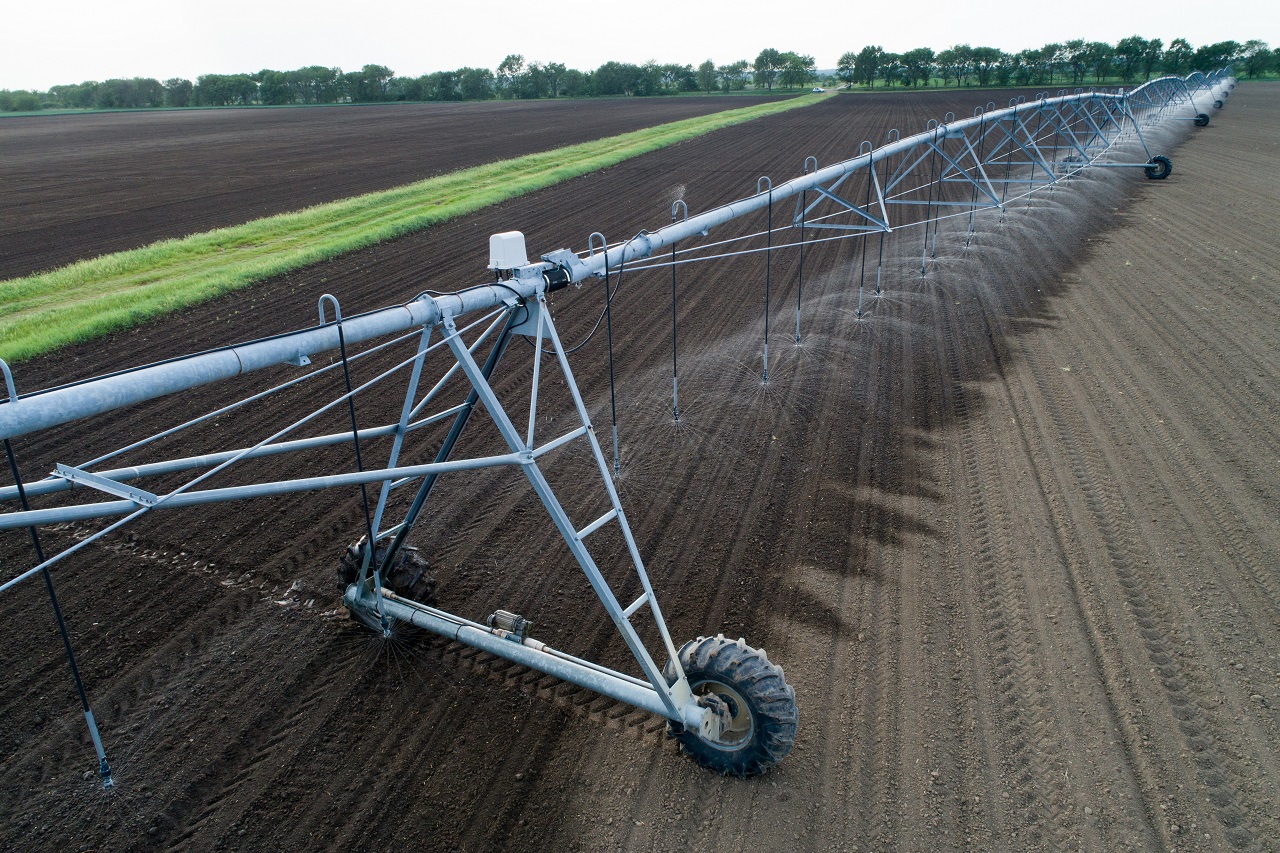
    • Vital Bon-Matt Stonewall – A high performance polymer technology provides instant stabilisation in a wide range of applications especially civil and mining industries
    • Vital Bon-Matt P47-VR1 is a lower cost multipurpose dust suppression and erosion control veneer chemical designed for applications over numerous surfaces where strong, durable and flexible surface conditions are required. We use this on our mineral production stockpiles.
    • Vital Bon-Matt HR is a heavy duty and robust polymer emulsion for erosion and dust control. Vital Bon-Matt HR has been designed for high volume road applications

    We also stock citrus dust suppressant products that we ourselves use during production. Polo Citrus dust products have been designed for industries where dust is generated; such as mining, waste recycling, concrete recycling through to road construction & maintenance.

  • Treating Salty Irrigation Water with Gypsum

    Treating Salty Irrigation Water with Gypsum

    Gypsum has many uses in agriculture and it can also assist in the treatment of irrigation water for operations such as the coal seam gas extraction.

    Water high in sodium (SAR above 6.0) can be modified through the addition of Gypsum (high in calcium), either through the irrigation water or by direct application to the soil.

    Certain chemical amendments added to soil or water should improve a low infiltration rate caused by low salinity or by excessive sodium (high SAR) in the irrigation water. Improvement can be expected if the amendment increases the soluble calcium content or causes a significant increase in the salinity (ECw) of the applied water. Amendments are used to help increase the infiltration or counter the effects of sodium, since, at present, there is no economical process available for removing salts or sodium from irrigation water which is low enough in cost for general agricultural use. An amendment, such as gypsum, when added to soil or water will increase the calcium concentration in the water, thus reducing the sodium to calcium ratio and the SAR. Adding gypsum is also beneficial because it increases the salinity of low salt waters, thus improving infiltration (Figure 21). Gypsum of other similar additives will not cause any important improvement if poor infiltration is due to adverse soil texture, soil compaction, restrictive claypan or hardpan layers, or a high water table.

    Water amendments are most effective if the water infiltration problem is caused by a low salinity water (ECw < 0.2 dS/m) or by high SAR in a water of low to moderate salinity (ECw < 1.0 dS/m). If water salinity is moderate to high (ECw > 1.0 dS/m) in addition to a high SAR, soil applied amendments such as gypsum or sulphur may be preferred and often are more effective.

    Example – A 5 hectare area needs an irrigation depth of 100 mm. The gypsum quality is 90% pure and an increase of 2 me/l of calcium is desired in the water. How much gypsum should be used?
    Given: ECw = 0.15 dS/m
    Area = 5 ha
    Gypsum = 90 percent pure
    Total water requirement = (5 x 10,0000)  x (100/1000) = 5,000 m3

    1 milliequivalent per litre of calcium = 86 kg of 100% gypsum per 1000 m3 of water
    Explanation: The amount of 100 percent gypsum needed to supply 2 me/l of Ca in 5000 m3 of water can be found by:
    1. 1 me/l (Ca) = 86 kg (100% gypsum)/1000 m3
    2. For 1 me/l (Ca) in 5000 m3
    1 me/l (Ca) = 5 × 86 = 430 kg of 100% gypsum
    3. For 2 me/l (Ca) in 5000 m3
    2 me/l (Ca) = 430 kg × 2 = 860 kg of 100% gypsum
    4. Since Pacific Fertiliser gypsum is around 90% pure, the amount of gypsum needed is found by (860 × 100) ÷ 90 = 960 kg of 70% pure gypsum

    A finely ground gypsum is best for water applications such as SuperFlocc gypsum. Therefore the total quality of gypsum needed to supply 2 me/l of calcium in the 5000 m3 of water is ~ 1 tonne of 90% pure gypsum.

  • Phosphate Treatment of Lead Contaminated Soil

    Phosphate Treatment of Lead Contaminated Soil

    Phosphate treatment has emerged as a common approach to immobilise Lead (Pb) in contaminated soils and waste media, relying on the formation of the highly insoluble mineral pyromorphite as solubility-controlling phase for lead.

    Phosphate Treatment of Lead-Contaminated Soil can reduce Pb bio-availability in soils.

    Generally high analysis phosphate fertilisers created from phosphoric acid are used for lead treatment like Triple Super Phosphate (TSP) and Double Super (DSP).

    Pacific Fertiliser sells both these products as well as other lower analysis Phosphate fertilisers in bulk, bulkbag and small bags.

  • Triple Strike

    Triple Strike

    TRIPLE-STRIKE is a concentrated liquid suspension for the treatment of Algae, and works well with our SuperFlocc Gypsum product for water flocculation at the same time.

    TRIPLE-STRIKE is a one step Algae treatment. TRIPLE-STRIKE does not kill the Algae like most other products, as it works by staving the Algae of nutrients over time.

    TRIPLE-STRIKE has a unique 3 – way action, by coagulating and flocculating the Algae to the bottom forming a blanket over the Algae and inhibiting any new growth.

    TRIPLE-STRIKE will generally lower the water pH by 0.5-1.0 units and this can assist in preventing further algae growth. TRIPLE-STRIKE has passed a fully independent ECO–TOXICITY assessment report.

    The rate of application will depend on the intensity of the algae within the dam/pond that you intend on treating. Triple-Strike should first be diluted to a minimum of 2:1 ratio (2 parts water to
    1 part Triple-Strike) and then applied over the water surface through use or a pump and hand held spray gun or boom spray jet for best results. After Triple-Strike has been applied the product particles will maximise their contact with the algae and produce a cloud within the water profile and then later settling to the bottom of the water. Please read the application rate chart to select the best application rate for your treatment.

  • Micronised Gypsum Products

    Micronised Gypsum Products

    Pacific Fertilisers manufacturers micronised gypsum products suitable for agricultural, civil and industrial applications.

    The microfine gypsum products include:

    G100S – Solution Grade Gypsum – Suitable for dissolution in irrigation systems.

    G100FL – Flocculation Grade Gypsum – Suitable for flocculating dams including farm dams and civil sedimentary catchment dams.

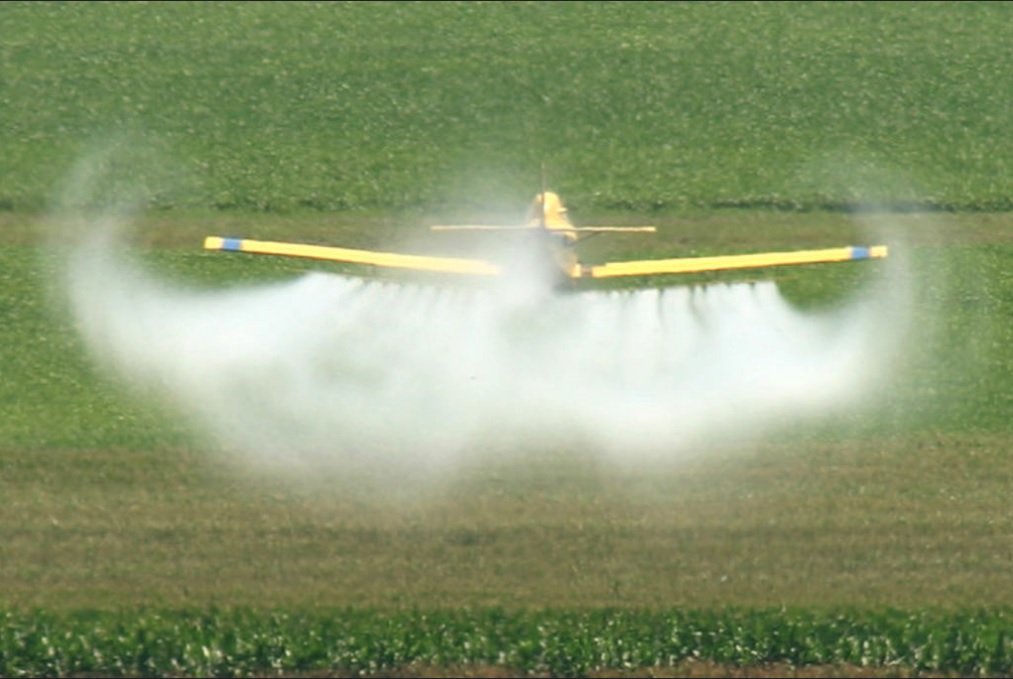
    G100A – Aerial Suspension Grade Gypsum – Suitable for aerial suspension application to combat soil crusting, water infiltration, and displacement of unwanted salts.

    G200 – UltraFine Gypsum – Ground similar to SuperFine Ag Lime for increased solubility

    The products are avaliable in bulk, bulkbags and pallets of 20-25kg bags and is waehoused in Sydney, Brisbane, Cowra and Bundaberg

    Other micronised mineral products include micronised lime, mirconised phosphate rock and micronised dolomite.


  • Snow Melt Irrigation Treatment

    Snow Melt Irrigation Treatment

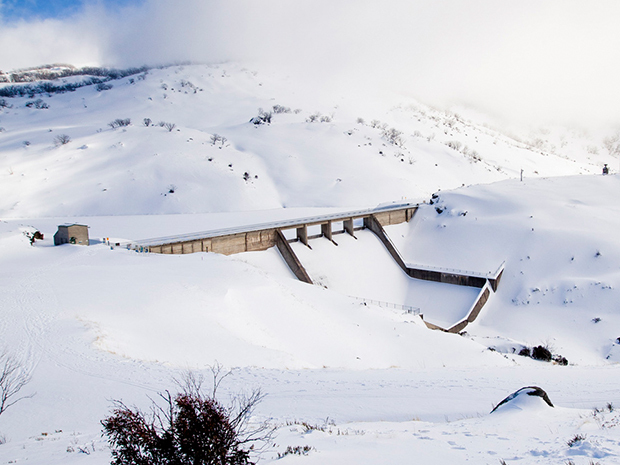
    The matter of irrigation water quality is becoming more important, since many growers are either irrigating with snow melt runoff from or poor-quality subsurface water. One of our most important current issues with growing crops in areas with alpine catchments is the issue of water quality and how it relates to soil structure, crop quality and crop production.

    Irrigation water that is very low in total salts can also be a problem because the low infiltration rate produces more run-off under the emitters. This is due to the high surface tension of low-salinity water, such as snow melt. The addition of any salt will tend to reduce this surface tension and increase water infiltration rates. Gypsum is a very common choice for this application.

    For irrigation water to be effective, it must penetrate into the soil, supplying enough water to sustain the crops until the next irrigation or rain event. But most snow melt irrigation water used can be harmful over the long term to good soil structure, and eventually to plant growth and crop quality. Because infiltration problems develop slowly, they are often overlooked and even go unnoticed. However, in many cases the soils become increasingly less productive.

    Salinity—electrical conductivity of water (EC)—and sodium content or sodicity—exchangeable sodium percent (ESP)—of irrigation water especially influence to what extent soil particles remain together or separate (flocculate and deflocculate). The higher the sodium content (and ESP) and lower the total salt content of irrigation water, the more likely soil particles will become separated and disorganized. This is caused by a chemical imbalance between calcium and sodium plus magnesium (both villains to good soil structure). Since both salinity and the amount of sodium and magnesium in irrigation water influence aggregate stability, all must be considered when determining the likelihood that water quality can reduce water infiltration.

    Correcting Water Penetration Problems. There are several ways to help improve water infiltration problems including:
    • The addition of calcium to the water or soil of Gypsum which is a salt based mineral containing both calcium and sulphur
    • Physically breaking surface crusts and compacted soils with use of chisels, rippers, etc.
    • The addition and use of organic matter such as composts and manures to improve the stability of soil aggregates
    • The use of wetting agents and related products that can greatly help with soil hydrophobicity.

  • Dam Construction Products

    Dam Construction Products

    [fusion_builder_container type=”flex” hundred_percent=”no” equal_height_columns=”no” menu_anchor=”” hide_on_mobile=”small-visibility,medium-visibility,large-visibility” class=”” id=”” background_color=”” background_image=”” background_position=”center center” background_repeat=”no-repeat” fade=”no” background_parallax=”none” parallax_speed=”0.3″ video_mp4=”” video_webm=”” video_ogv=”” video_url=”” video_aspect_ratio=”16:9″ video_loop=”yes” video_mute=”yes” overlay_color=”” video_preview_image=”” border_color=”” border_style=”solid” padding_top=”” padding_bottom=”” padding_left=”” padding_right=””][fusion_builder_row][fusion_builder_column type=”1_1″ layout=”1_1″ background_position=”left top” background_color=”” border_color=”” border_style=”solid” border_position=”all” spacing=”yes” background_image=”” background_repeat=”no-repeat” padding_top=”” padding_right=”” padding_bottom=”” padding_left=”” margin_top=”0px” margin_bottom=”0px” class=”” id=”” animation_type=”” animation_speed=”0.3″ animation_direction=”left” hide_on_mobile=”small-visibility,medium-visibility,large-visibility” center_content=”no” last=”true” min_height=”” hover_type=”none” link=”” border_sizes_top=”” border_sizes_bottom=”” border_sizes_left=”” border_sizes_right=”” first=”true”][fusion_text]

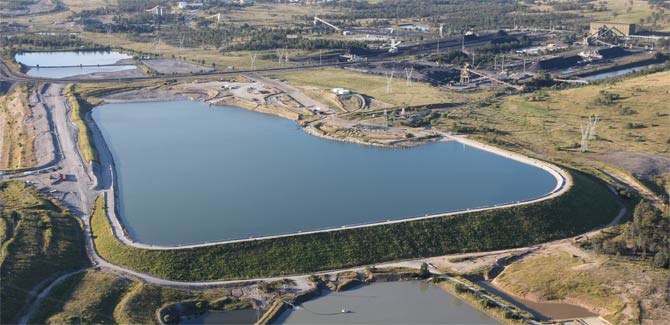
    Pacific Fertiliser can supply numerous products for dam construction projects, or both large and small ponds. these include:
    • Gypsum for dam wall soil stabilisation
    • Bentonite for dam wall sealing
    • Various lime products
    • Superflocc gypsum for reducing water turbidity by removing sediment to increase water quality

    We can supply products for both large dams and small ponds.

    Some of the previous large projects we have been involved with prior to 2014:
    • Bulga S10 Dam -Hunter Valley NSW
    • Bulga CHPP Surge Dam – Xstrata – Hunter Valley NSW – $24m – 3000 ML
    • Mt Thorley Dam – Warkworth Mining – South Pit Dam – Hunter Valley NSW – $6m – 2GL
    • Talgarth Farm Dam – Hunter Valley NSW – 100 ML
    • Monreagh Storage Dam – Origin Energy CSG – 3000ML
    • Kenya Dam – QGC  CSG
    • Orana Dam – Origin CSG
    • Bengalla CW1 Dam – Hunter Valley NSW
    • Bengalla Mine Dry Creek Diversion Project – Hunter Valley NSW
    • Bengalla Mine Spill Dams – Hunter Valley NSW

    dam stabilisation with gypsum

    [/fusion_text][/fusion_builder_column][/fusion_builder_row][/fusion_builder_container]

  • Dam Products

    Dam Products

    Pacific Fertiliser supplies numerous products for dam and ponds.

    These include flocculants to clean the water and bentonite to seal dam walls.

    We can supply products for small and large dams.

    Please call for pricing on SuperFlocc Gypsum and Dam Sealing powder.

    Flocculant gypsum

  • SuperFlocc G110 Gypsum

    SuperFlocc G110 Gypsum

    Pacific Fertiliser releases a solution grade gypsum products called, SuperFlocc Gypsum which is made from ultra fine mined gypsum. SuperFlocc G110 can be suitable for flocculation and aerial applications in industrial, agricultural and civil operations.

    The ground gypsum can be mixed with water and applied via irrigation, spread aerially, or added to dams for flocculation (to reduce water turbidity). It has a mean particle size of <35um making it an ultra fine grade A gypsum.

    Flocculation Dosage Rates using gypsum (calcium sulfate) are generally between 3 to 10 kg per 10,000 lts (10kL). Effectiveness is based on gypsum purity and particle size. The gypsum needs to be spread evenly across water surface. Generally takes 36 to 72 hours to flocculate and settle, this is dependent on water quality, gypsum quality and dosage rates.

    The best thing to do is a jar or bucket test using slightly varying rates of gypsum on the actual water to be treated, leaving them over night to find the most efficient dosage rate.

    Pacific Fertiliser can also supply solution grade ag lime and soft rock phosphate.

    clear-river-water-1