
Author: admin

  • Magnesium Oxide

    Magnesium Oxide

    [fusion_builder_container type=”flex” hundred_percent=”no” equal_height_columns=”no” menu_anchor=”” hide_on_mobile=”small-visibility,medium-visibility,large-visibility” class=”” id=”” background_color=”” background_image=”” background_position=”center center” background_repeat=”no-repeat” fade=”no” background_parallax=”none” parallax_speed=”0.3″ video_mp4=”” video_webm=”” video_ogv=”” video_url=”” video_aspect_ratio=”16:9″ video_loop=”yes” video_mute=”yes” overlay_color=”” video_preview_image=”” border_color=”” border_style=”solid” padding_top=”” padding_bottom=”” padding_left=”” padding_right=””][fusion_builder_row][fusion_builder_column type=”1_1″ layout=”1_1″ background_position=”left top” background_color=”” border_color=”” border_style=”solid” border_position=”all” spacing=”yes” background_image=”” background_repeat=”no-repeat” padding_top=”” padding_right=”” padding_bottom=”” padding_left=”” margin_top=”0px” margin_bottom=”0px” class=”” id=”” animation_type=”” animation_speed=”0.3″ animation_direction=”left” hide_on_mobile=”small-visibility,medium-visibility,large-visibility” center_content=”no” last=”true” min_height=”” hover_type=”none” link=”” border_sizes_top=”” border_sizes_bottom=”” border_sizes_left=”” border_sizes_right=”” first=”true”][fusion_text]

    Many of Australia’s soils are sufficient in magnesium however high yielding horticultural crops often require additional magnesium to meet plant demands. Also high potassium inputs can often create a magnesium imbalance in plants. Where high levels of potassium are being applied it is also beneficial to apply magnesium.

    We use Magnesium Oxide  in balanced fertililser formulations and custom blends as a slow release high grade magnesium source. Other sources of Mg are Kierserite (magnesium sulphate) which is better suited to crops that have an immediate magnesium requirement.

    Magnesium oxide (MgO), can also be called magnesia.

    [/fusion_text][/fusion_builder_column][/fusion_builder_row][/fusion_builder_container]

  • Goldphosphate Fertiliser  11-18-0-12

    Goldphosphate Fertiliser 11-18-0-12

    [fusion_builder_container type=”flex” hundred_percent=”no” equal_height_columns=”no” menu_anchor=”” hide_on_mobile=”small-visibility,medium-visibility,large-visibility” class=”” id=”” background_color=”” background_image=”” background_position=”center center” background_repeat=”no-repeat” fade=”no” background_parallax=”none” parallax_speed=”0.3″ video_mp4=”” video_webm=”” video_ogv=”” video_url=”” video_aspect_ratio=”16:9″ video_loop=”yes” video_mute=”yes” overlay_color=”” video_preview_image=”” border_color=”” border_style=”solid” padding_top=”” padding_bottom=”” padding_left=”” padding_right=””][fusion_builder_row][fusion_builder_column type=”1_1″ layout=”1_1″ background_position=”left top” background_color=”” border_color=”” border_style=”solid” border_position=”all” spacing=”yes” background_image=”” background_repeat=”no-repeat” padding_top=”” padding_right=”” padding_bottom=”” padding_left=”” margin_top=”0px” margin_bottom=”0px” class=”” id=”” animation_type=”” animation_speed=”0.3″ animation_direction=”left” hide_on_mobile=”small-visibility,medium-visibility,large-visibility” center_content=”no” last=”true” min_height=”” hover_type=”none” link=”” border_sizes_top=”” border_sizes_bottom=”” border_sizes_left=”” border_sizes_right=”” first=”true”][fusion_text columns=”” column_min_width=”” column_spacing=”” rule_style=”” rule_size=”” rule_color=”” hue=”” saturation=”” lightness=”” alpha=”” user_select=”” content_alignment_medium=”” content_alignment_small=”” content_alignment=”” hide_on_mobile=”small-visibility,medium-visibility,large-visibility” sticky_display=”normal,sticky” class=”” id=”” margin_top=”” margin_right=”” margin_bottom=”” margin_left=”” fusion_font_family_text_font=”” fusion_font_variant_text_font=”” font_size=”” line_height=”” letter_spacing=”” text_transform=”” text_color=”” animation_type=”” animation_direction=”left” animation_color=”” animation_speed=”0.3″ animation_delay=”0″ animation_offset=”” logics=””]

    GoldPhosphate is a starter cropping fertiliser and is also suitable for pastures with each granule containing nitrogen, phosphorus and sulphur. It makes for an ideal starter fertiliser for use on most crops, including cereals, oilseeds and pastures.

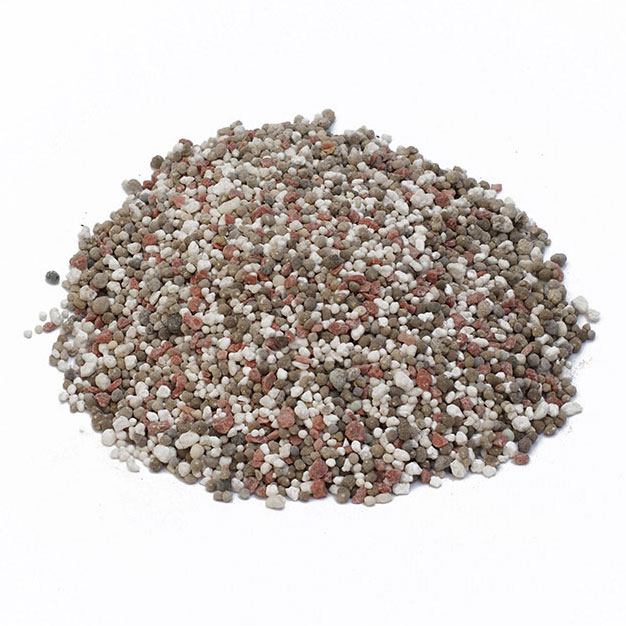
    The fertiliser blend 11-18-0-12. This specialty NPS fertiliser blend is great for grains, oilseeds and pasture. The blend combines MAP, SOA & ES to provide a good hit of N, P and S. The blend contains 12% sulphur made up of both 5% Sulphate Sulphur allowing immediate plant uptake and 7% Elemental Sulphur for season long availability. (aka PF11-18-0-12, StarterPhos or EmergePhosphate fertiliser).

    [/fusion_text][/fusion_builder_column][/fusion_builder_row][/fusion_builder_container]

  • Molybdenum

    Molybdenum

    Sodium molybdate, provides plants with a readily available supply of molybdenum. It is particularly important for nitrogen fixation by leguminous plants such as clover, lucerne, peas and beans.

    Sodium molybdate is a readily soluble source of molybdenum essential for optimum legume growth and important for the rhizobia in clover nodules to assist in nitrogen fixation and for the plants to use nitrogen. Moly can correct and prevent deficiency in pastures, cucurbits, legumes and brassicas.

    In animals, molybdenum is important for some enzyme activity and for iron storage in tissues.

    Only small quantities of this product are required (72-125 g/Ha) so it is generally blended with other fertilisers and/or minerals before application.

    Available sources for blends – Sodium molybdate, Na2MoO4, is useful as a source of molybdenum. It is often found as the Sodium Molybdate Dihydrate , Na2MoO4·2H2O


  • Guidance for Storage of Fertiliser in Silos

    Guidance for Storage of Fertiliser in Silos

    In the ideal world all bulk fertilisers should be stored in properly constructed bays in closed sheds. But such sheds and the equipment are not always available. Instead, many grain growers use silos and belt conveyors or augers to store and handle bulk fertiliser on farm. HOWEVER only certain fertilisers can be stored in silos, and only short periods of time.

    Handling equipment – Ideally, bulk fertiliser should be moved with a belt conveyor, rather than a screw auger to maintain granule integrity and avoid generation of dust and fines. To assist material handling it is recommended that the base cone of fertiliser silos be at least 45° steep. Also avoid excessive handling as it can reduce the effectiveness of any fertiliser coating agents and oils used on some fertilisers to help prevent moisture absorption.

    Many factors influence how well and for how long a fertiliser will store in a silo. One of these is Fertiliser salts are sensitive to the humidity of the surrounding air; above certain relative humidities, they will absorb water. A fertiliser product’s Critical Relative Humidity (CRH), is the relative humidity above which the fertiliser readily absorbs moisture from the atmosphere. Fertilisers with a CRH greater than 70% generally have good storage characteristics and those with a low CRH don’t store well. The CRH of fertiliser blends is usually no better than that of the ingredient with the lowest CRH, and is often depressed below this figure


    The following table shows a guideline for silo storage some IPF Fertiliser products. Please note that the storage of suitable fertilisers in silos should be only be for short periods or avoided. If in doubt please contact us for advice.


    The following table shows a guideline for Critical Relative Humidity (CRH) of IPF Fertiliser products.


  • Granulated Fertilisers

    Granulated Fertilisers

    Pacific Fertiliser sells granulated fertilisers natural minerals and blends including the standard fertilisers but also soft rock phosphate, gypsum, dolomite, lime, manure and carbon.

    Pacific Fertiliser can granulate various fertilisers and mineral blends into 2-4mm particles which suit today’s modern precision application equipment such as air seeders, aircraft and precision spreaders. Benefits of a granulated products can include:
    – Ability to apply product with seed reducing application costs which can be further reduced by applying blended products to offer a one pass nutrient solution
    – Air seeder or banded applications place the nutrients at/near the plant roots, which can reduce application rates by upto 30% over broadcast spreading because of providing the seed/plant better access to the nutrients.
    – Low Dust and Increased spread width from broadcast disc spreaders
    – Sub-surface fertiliser application can reduce the nitrogen, phosphorus and sulphate runoff loss by over half compared to surface applications. Helping the environment and the back pocket.

    Pacific Fertiliser can provide NPKSCa + Trace Elements in granular blends that meet BFA organic accreditation‎. We can also coat the fertiliser with biological stimulants to enhance results and add other nutrients to your soil.

  • Rugby Sponsorship 2017

    Rugby Sponsorship 2017

    Pacific Fertiliser is sponsoring the following rugby clubs for the 2017 season to give a little back to some of the rural communities and Rugby. We wish all teams and players the best of luck!

    Cowra Eagles, Dalby Wheatmen, Currumbin Alleygators, Tamworth Magpies

  • Dinmore Warehouse

    Dinmore Warehouse

    Pacific Fertiliser has a warehouse in Dinmore Brisbane not far from Ipswich at the junction of the Cunningham and Warrego Hwys.

    We store our bagged fertiliser and liquid fertiliser in this warehouse.

  • Fine Dolomite

    Fine Dolomite

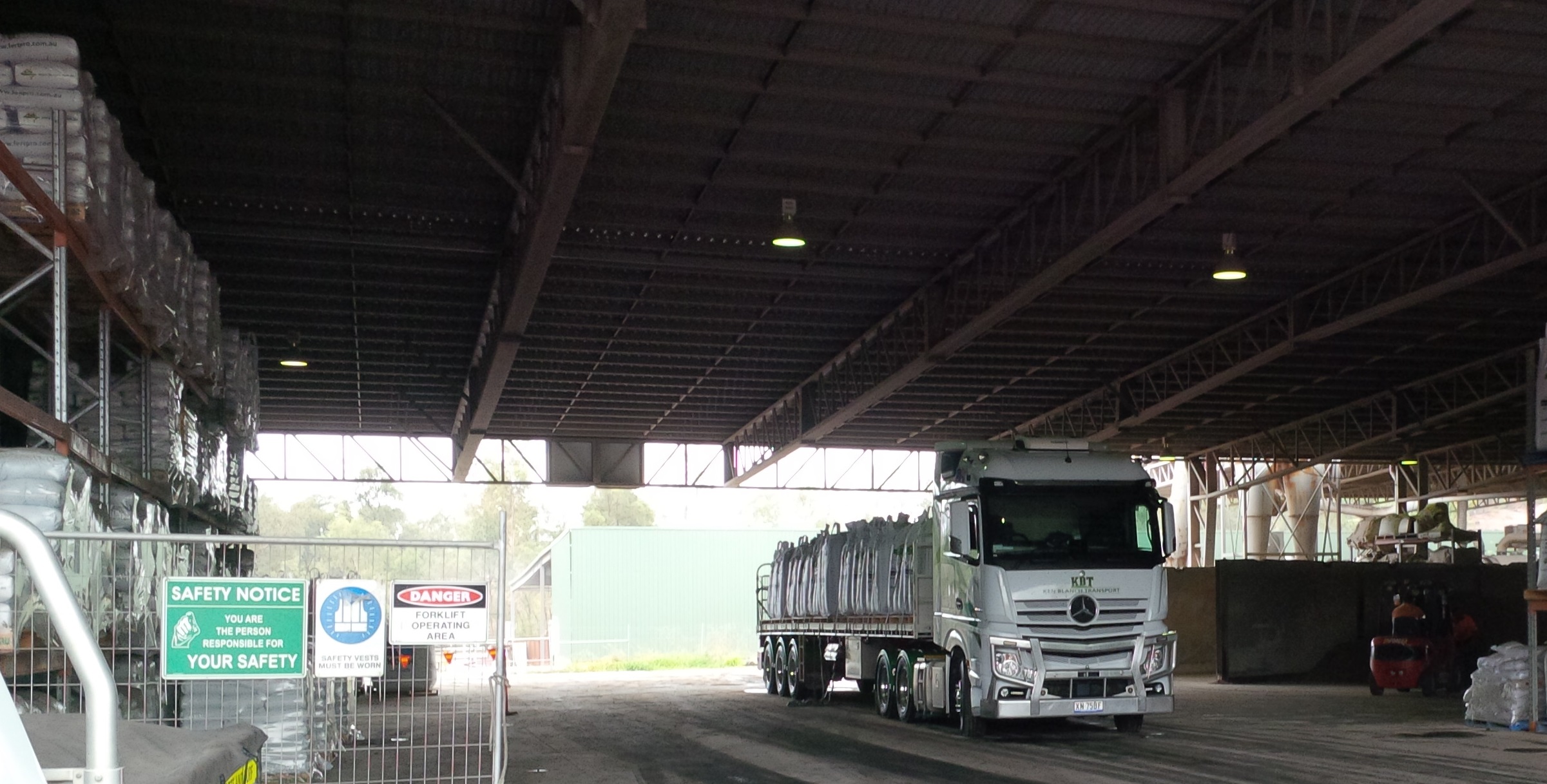
    Another load of fine dolomite being loaded in Brisbane.


  • Tricalcium Phosphate

    Tricalcium Phosphate

    Bone Phosphate of Lime (BPL), a white odourless crystalline powder, which refers to the calcium salt of phosphoric
    acid. It is also known as tricalcium phosphate (TCP) or tribasic calcium phosphate.

    Tricalcium phosphate is Ca3 (PO4 )2 . The phosphate content of phosphorite may be expressed as percentage of bone phosphate of lime (BPL) or P2O5.

    Like Soft Rock Phosphate it is soluble in acids while insoluble in water. It is mainly used in agricultural fertilisers and  food industries as an anticaking and bleaching agent.

  • Terex Finlay 883 Reclaimer

    Terex Finlay 883 Reclaimer

    Pacific Fertiliser has just bought a Finlay 883 screener to add to the fleet. This screen will be used at the gypsum and dolomite pits as well as refining fine minerals for resale at the Brisbane and Bundaberg plants.