Tag: Superflocc gypsum

  • Micronised Gypsum Products

    Micronised Gypsum Products

    Pacific Fertilisers manufacturers micronised gypsum products suitable for agricultural, civil and industrial applications.

    The microfine gypsum products include:

    G100S – Solution Grade Gypsum – Suitable for dissolution in irrigation systems.

    G100FL – Flocculation Grade Gypsum – Suitable for flocculating dams including farm dams and civil sedimentary catchment dams.

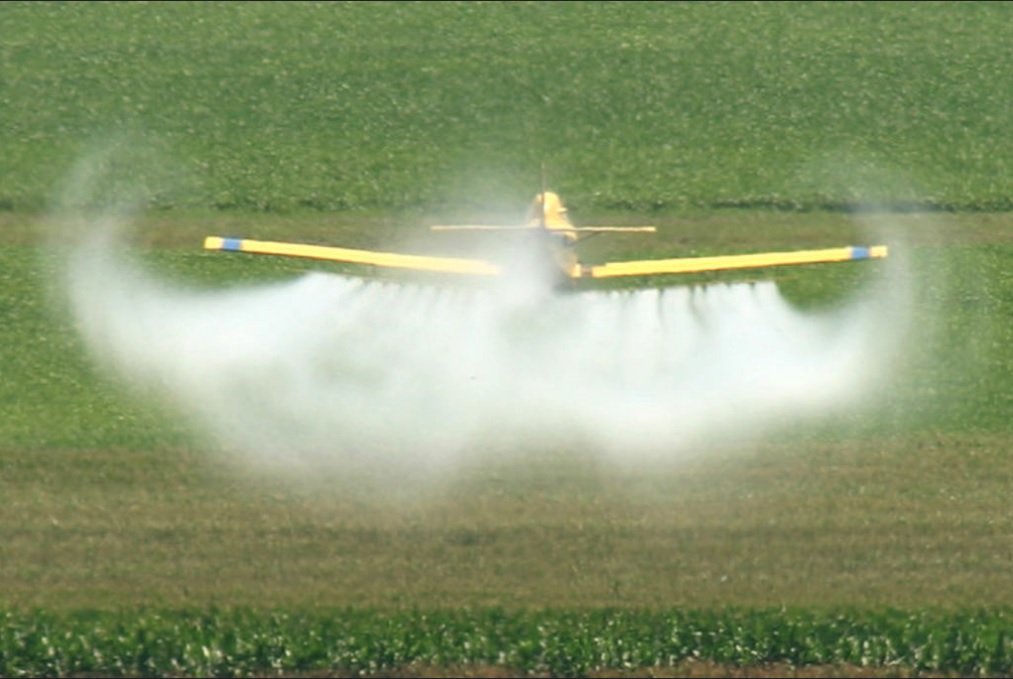
    G100A – Aerial Suspension Grade Gypsum – Suitable for aerial suspension application to combat soil crusting, water infiltration, and displacement of unwanted salts.

    G200 – UltraFine Gypsum – Ground similar to SuperFine Ag Lime for increased solubility

    The products are avaliable in bulk, bulkbags and pallets of 20-25kg bags and is waehoused in Sydney, Brisbane, Cowra and Bundaberg

    Other micronised mineral products include micronised lime, mirconised phosphate rock and micronised dolomite.


  • Townsville Gypsum

    Townsville Gypsum

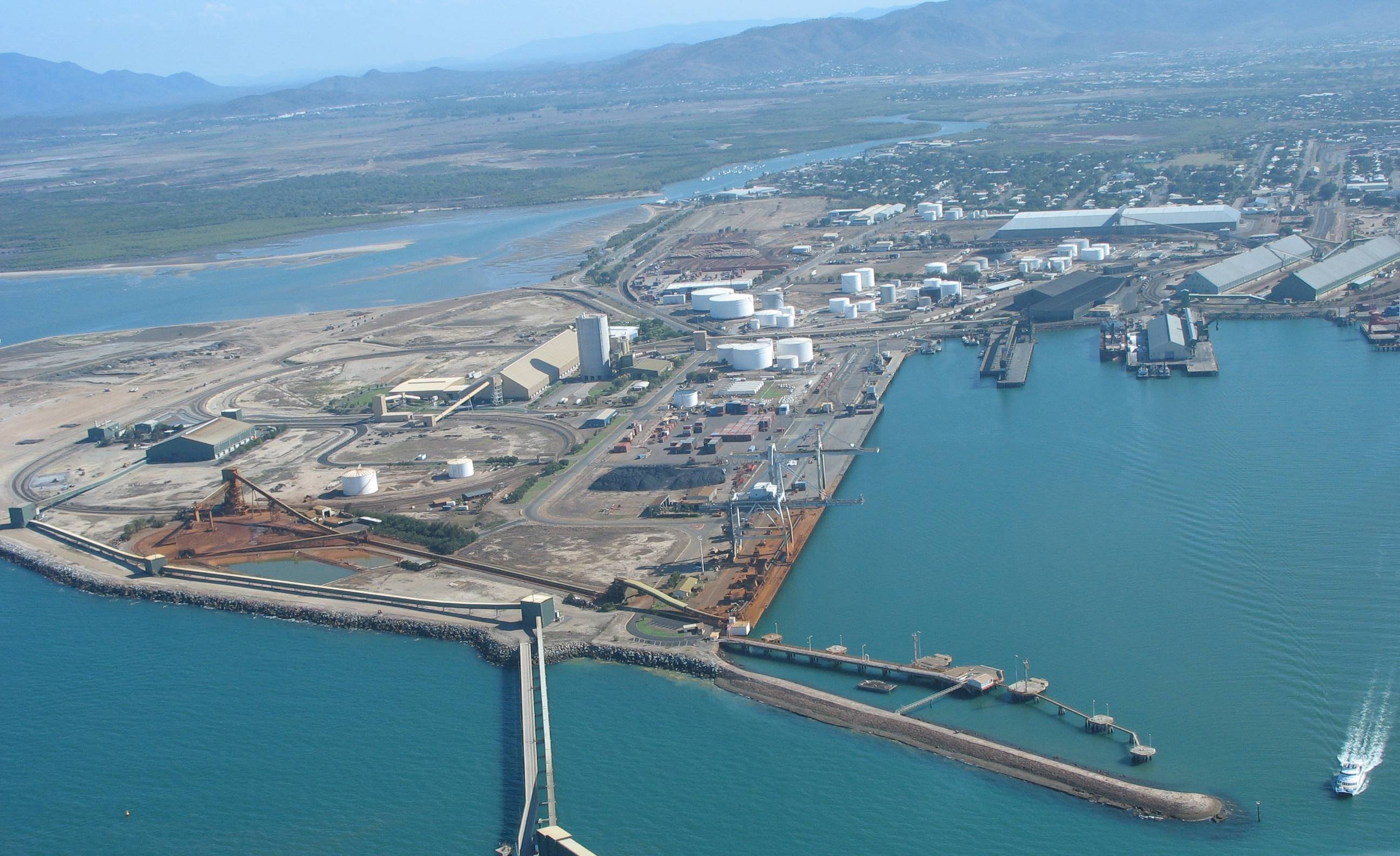
    Pacific Fertiliser is in discussion with Townsville authorities for bringing bulk gypsum into the port for agricultural customers. The feasibility of this plan is being refined as discussion progress.

  • Granular Gypsum

    Granular Gypsum

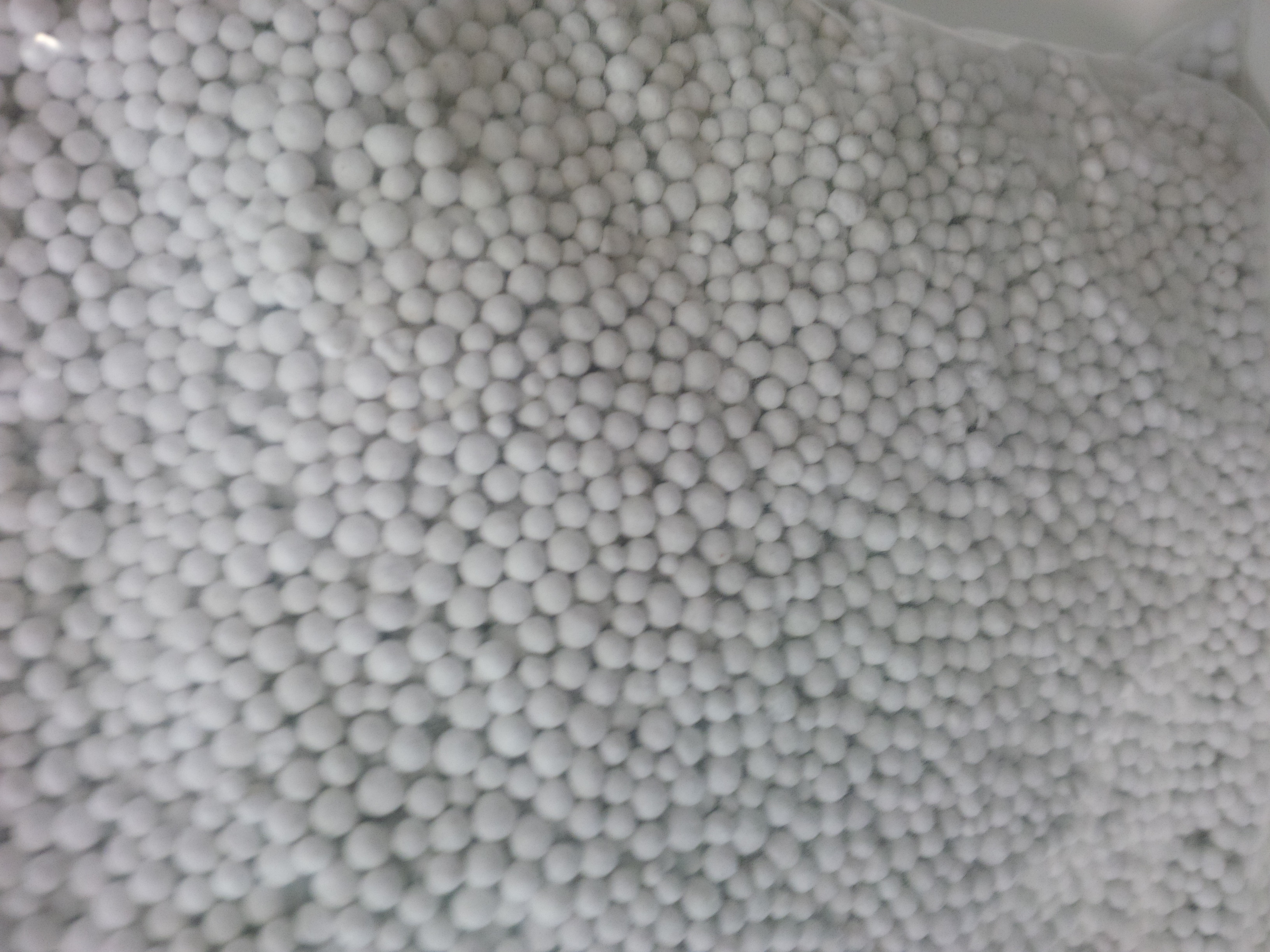
    Pacific Fertiliser produce a granular gypsum product suitable for air seeder and aircraft application.

    The 2-4mm granular gypsum is made locally from blending various domestic sources of natural gypsum together to make consistent and stable particles. We then re screen the product after granulation to ensure there are no fines present.

    For sport turf applications we also produce a 1-2mm gypsum product.

    sowing

  • Bundaberg Gypsum

    Bundaberg Gypsum

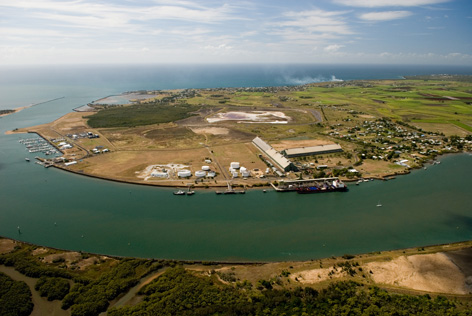
    Pacific Fertiliser has been in contact with the local authorities about bringing in bulk gypsum to the Port of Bundaberg for agricultural customers.

  • What is Gypsum

    What is Gypsum

    Gypsum (CaSO4· 2H2O) is a soft white, grey, brownish or slightly pink mineral consisting of hydrated calcium sulphate also know as calcium sulphate di-hydrate. It occurs mainly in sedimentary deposits and is used to for soil amelioration and in building construction materials.

    Gypsum is moderately water-soluble (~2.0–2.5 g/l at 25 °C) and, in contrast to most other salts, it exhibits retrograde solubility, becoming less soluble at higher temperatures.

    Gypsum is generally found in mineral and rock form, but there is also recycled, synthetic and byproduct forms of gypsum.  Mined gypsum is a very soft mineral and it can form very large colored crystals.  Natural gypsum is found in many parts of the world. Gypsum deposits lie in flat beds of about six to eight feet in thickness, and are often inter-layered with limestone or shale. Gypsum deposits were formed millions of years ago when salt water oceans covered most of the earth, and as they receded, may inland “dead” seas were formed which, as evaporation continued, became more and more salty. As those salts precipitated, they formed various compounds in turn, one of which was gypsum. As millions of years passed, these salt deposits combined with decayed vegetation and other minerals, and eventually the result was stratified rock, with layers of gypsum and layers of limestone alternating, the whole covered over with many feet of glacial deposits. The result is the accumulation of large beds of sedimentary gypsum near old salt lakes and inland river beds.


    The main types of gypsum in the market place for agricultural, civil and industrial application are:

    Natural gypsum: is mined from the ground as a mineral and sold for industrial, medical and agricultural uses. Generally the mined gypsum will be selenite gypsum which is an opaque sandy crystal gypsum. There are various grades of mined gypsum and it is essential you determine you are getting the best bang for your buck. The easiest method of comparison is gypsum purity or each gypsum source available to you.

    Recycled Gypsum: is derived from plasterboard waste and is a high quality source of gypsum. The product has a granular feel making it easier to spread. The granules porous structure increases the surface area making the recycled gypsum more soluble. Read more.

    Synthetic gypsum (Not Sold by PacFert): industrial gypsum, FGD (Flu Gas Desulphurised Gypsum) and DSG (Desulphurised Gypsum) are all names for gypsum which are created by through chemical processes and not mined virgin product. Synthetic gypsum is most typically created in scrubbers, using lime (Ca), in coal fired power plants to clean the sulphur (SO) from the smoke stacks. The lime and sulfate combine and make synthetic gypsum (CaSO4· 2H2O) which is a high quality and very pure gypsum material. Chemically this gypsum is identical to natural gypsum.

    Phosphogypsum (Not Sold by PacFert): refers to the gypsum formed as a by-product of processing phosphate ore into fertilizer with sulfuric acid, such as Phosphate Hill in Central West QLD. REGYP DOES NOT SELL Phosphogypsum in Australia. Phospho gypsum is produced from the fabrication of phosphoric acid by reacting phosphate rock with sulfuric acid. Phosphogypsum does contain moderate levels of heavy metals including cadmium and REGYP recycled gypsum products DO NOT, so the two should not be confused. Phosphogypsum is radioactive due to the presence of naturally occurring uranium and radium in the phosphate ore. Marine-deposited phosphate typically has a higher level of radioactivity than igneous phosphate deposits, because uranium is present in seawater.

    Comparing Gypsum Products: Please follow the link for a complete gypsum comparison report.

  • Cowra Spreading

    Cowra Spreading

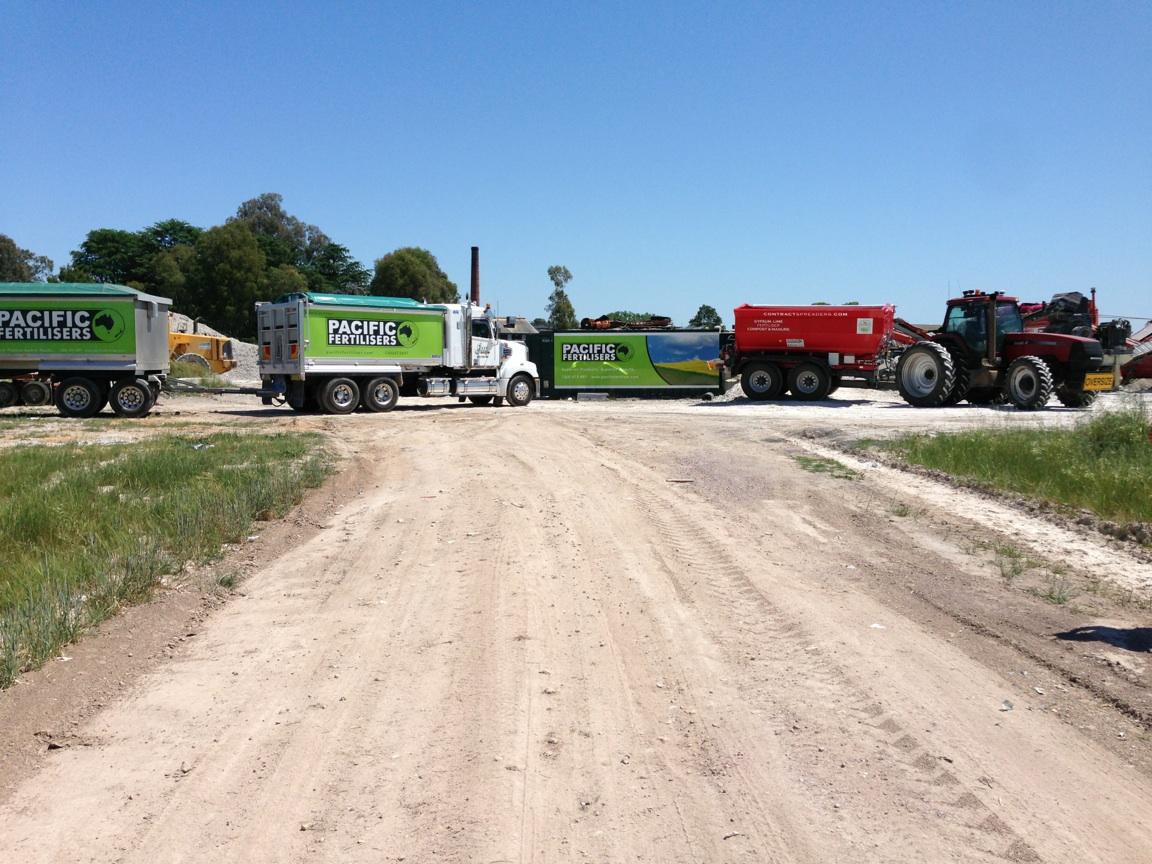
    Just getting ready for some fertiliser spreading work in Cowra.

    lime spreading

    Spreader Accuracy:

    Contract Spreader’s Agrispread AS120T and Case 335 tractor is fitted with Trimble system and AS controller that provide strong data feedback and control during operation. It allows agronomists and farmers to send variable rate application maps to the machine. I think will see a quick take up of variable rate lime and gypsum spreading to save farmer input costs and increase productivity.

    The system also offers real-time data reporting providing scrutiny of where the spreader is and check its application rates and other diagnostics. It gives the grower absolute confidence in what the spreading contractor is doing and when it is doing it and gives us complete oversight of the job.

    With a large 16m3 hopper and 36m spread width on urea, the AS120T spread can cover a lot of country in a day.

  • Dam Construction Products

    Dam Construction Products

    [fusion_builder_container type=”flex” hundred_percent=”no” equal_height_columns=”no” menu_anchor=”” hide_on_mobile=”small-visibility,medium-visibility,large-visibility” class=”” id=”” background_color=”” background_image=”” background_position=”center center” background_repeat=”no-repeat” fade=”no” background_parallax=”none” parallax_speed=”0.3″ video_mp4=”” video_webm=”” video_ogv=”” video_url=”” video_aspect_ratio=”16:9″ video_loop=”yes” video_mute=”yes” overlay_color=”” video_preview_image=”” border_color=”” border_style=”solid” padding_top=”” padding_bottom=”” padding_left=”” padding_right=””][fusion_builder_row][fusion_builder_column type=”1_1″ layout=”1_1″ background_position=”left top” background_color=”” border_color=”” border_style=”solid” border_position=”all” spacing=”yes” background_image=”” background_repeat=”no-repeat” padding_top=”” padding_right=”” padding_bottom=”” padding_left=”” margin_top=”0px” margin_bottom=”0px” class=”” id=”” animation_type=”” animation_speed=”0.3″ animation_direction=”left” hide_on_mobile=”small-visibility,medium-visibility,large-visibility” center_content=”no” last=”true” min_height=”” hover_type=”none” link=”” border_sizes_top=”” border_sizes_bottom=”” border_sizes_left=”” border_sizes_right=”” first=”true”][fusion_text]

    Pacific Fertiliser can supply numerous products for dam construction projects, or both large and small ponds. these include:
    • Gypsum for dam wall soil stabilisation
    • Bentonite for dam wall sealing
    • Various lime products
    • Superflocc gypsum for reducing water turbidity by removing sediment to increase water quality

    We can supply products for both large dams and small ponds.

    Some of the previous large projects we have been involved with prior to 2014:
    • Bulga S10 Dam -Hunter Valley NSW
    • Bulga CHPP Surge Dam – Xstrata – Hunter Valley NSW – $24m – 3000 ML
    • Mt Thorley Dam – Warkworth Mining – South Pit Dam – Hunter Valley NSW – $6m – 2GL
    • Talgarth Farm Dam – Hunter Valley NSW – 100 ML
    • Monreagh Storage Dam – Origin Energy CSG – 3000ML
    • Kenya Dam – QGC  CSG
    • Orana Dam – Origin CSG
    • Bengalla CW1 Dam – Hunter Valley NSW
    • Bengalla Mine Dry Creek Diversion Project – Hunter Valley NSW
    • Bengalla Mine Spill Dams – Hunter Valley NSW

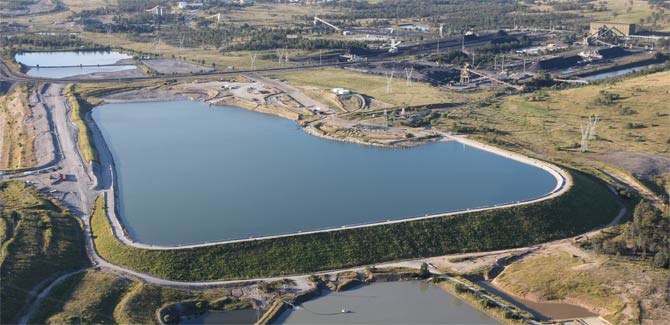
    dam stabilisation with gypsum

    [/fusion_text][/fusion_builder_column][/fusion_builder_row][/fusion_builder_container]

  • Dam Products

    Dam Products

    Pacific Fertiliser supplies numerous products for dam and ponds.

    These include flocculants to clean the water and bentonite to seal dam walls.

    We can supply products for small and large dams.

    Please call for pricing on SuperFlocc Gypsum and Dam Sealing powder.

    Flocculant gypsum

  • SuperFlocc G110 Gypsum

    SuperFlocc G110 Gypsum

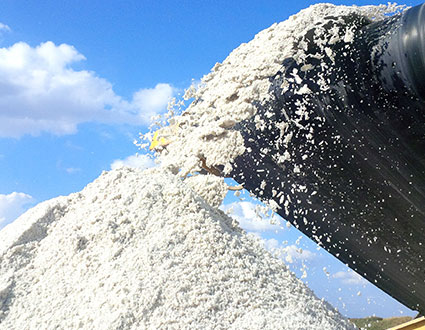
    Pacific Fertiliser releases a solution grade gypsum products called, SuperFlocc Gypsum which is made from ultra fine mined gypsum. SuperFlocc G110 can be suitable for flocculation and aerial applications in industrial, agricultural and civil operations.

    The ground gypsum can be mixed with water and applied via irrigation, spread aerially, or added to dams for flocculation (to reduce water turbidity). It has a mean particle size of <35um making it an ultra fine grade A gypsum.

    Flocculation Dosage Rates using gypsum (calcium sulfate) are generally between 3 to 10 kg per 10,000 lts (10kL). Effectiveness is based on gypsum purity and particle size. The gypsum needs to be spread evenly across water surface. Generally takes 36 to 72 hours to flocculate and settle, this is dependent on water quality, gypsum quality and dosage rates.

    The best thing to do is a jar or bucket test using slightly varying rates of gypsum on the actual water to be treated, leaving them over night to find the most efficient dosage rate.

    Pacific Fertiliser can also supply solution grade ag lime and soft rock phosphate.

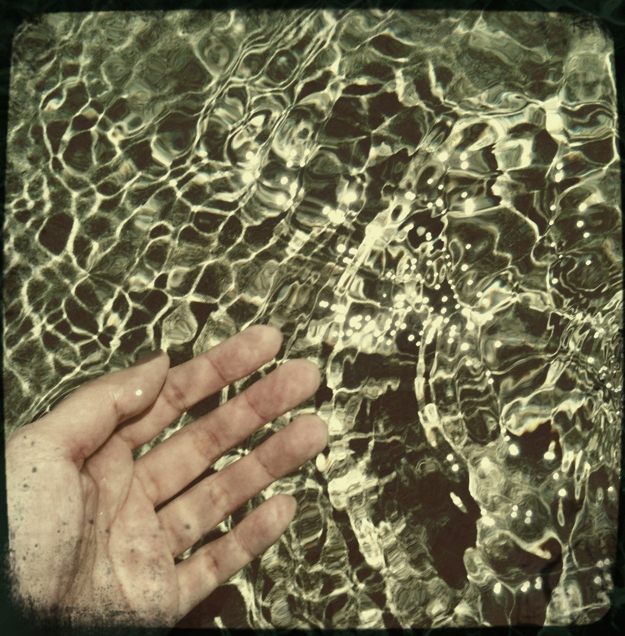
    clear-river-water-1