Category: News

  • Adding calcium to soils can increase organic matter

    Adding calcium to soils can increase organic matter

    Adding calcium to soils can help increase organic matter, trap more carbon
    November 20, 2023 By Greg Basky, Canadian Light Source

    Using the Canadian Light Source (CLS) at the University of Saskatchewan, scientists from Cornell University and Purdue University have identified a previously undiscovered mechanism triggered by calcium when it’s added to soil. Their finding could lead to more strategic use of the mineral in agriculture.

    Researchers already knew that calcium impacts the way organic matter is stabilized in soil. What wasn’t known was whether calcium had an effect on which microbes were involved and how they acted. Microbes are microscopic organisms that live in the air, soil and water; in soil, they process soil organic matter and help promote plant growth.

    “We showed that by adding calcium to soil, we changed the community of microbes in the soil and the way they process organic matter,” says lead researcher Itamar Shabtai, an assistant scientist with the Connecticut Agricultural Experiment Station. “They processed it in a more efficient manner – more carbon was retained in the soil and less was lost to the atmosphere as CO2.”

    Carbon, which makes up about half of the organic matter in soil, is incredibly important to almost all soil properties, says Shabtai, who carried out the research as part of his postdoctoral fellowship at Cornell. “Soils that contain more carbon are generally healthier. They are better able to hold on to water in drought conditions. Soils with higher amounts of organic carbon are also able to deliver nutrients more efficiently to plants and promote plant growth, and they’re more resistant to erosion.”

    From a global point of view, soils contain significant amounts of carbon, more than plants and the atmosphere combined, says Shabtai, so holding on to that carbon can help address climate change. “If we can increase carbon in soil, we can perhaps make a dent in the increase in atmospheric CO2 that we’re seeing.”

    The researchers used the SGM beamline at the CLS to measure the amount of plant matter decomposed following the addition of calcium, while the Mid-IR beamline enabled them to identify and quantify the stabilized carbon in the soil – data impossible to gather in any other way, says Shabtai.

    Their findings can potentially benefit agricultural producers by giving them another tool to help maintain and improve the organic matter in their soils. “Now that we have a better understanding of how calcium can impact how microbes improve soil carbon, we can perhaps use soil amendments that contain calcium and are already being used by farmers – such as lime and gypsum – in a way that can benefit soil organic matter.”

    Article is courtsey of Canadian Light Source (CLS)
    https://www.lightsource.ca/public/news/2023-24-q2-oct-dec/adding-calcium-to-soils-can-help-increase-organic-matter-retain-more-carbon.php

    Another similar article:
    https://www.nature.com/articles/s41467-023-42291-6
    Calcium (Ca) can contribute to soil organic carbon (SOC) persistence by mediating physico-chemical interactions between organic compounds and minerals. Yet, Ca is also crucial for microbial adhesion, potentially affecting colonization of plant and mineral surfaces. The importance of Ca as a mediator of microbe-mineral-organic matter interactions and resulting SOC transformation has been largely overlooked. We incubated 44Ca labeled soils with 13C15N labeled leaf litter to study how Ca affects microbial transformation of litter and formation of mineral associated organic matter. Here we show that Ca additions promote hyphae-forming bacteria, which often specialize in colonizing surfaces, and increase incorporation of litter into microbial biomass and carbon use efficiency by approximately 45% each. Ca additions reduce cumulative CO2 production by 4%, while promoting associations between minerals and microbial byproducts of plant litter. These findings expand the role of Ca in SOC persistence from solely a driver of physico-chemical reactions to a mediator of coupled abiotic-biotic cycling of SOC.


  • Brisbane Gypsum Supplies

    Brisbane Gypsum Supplies

    [fusion_builder_container type=”flex” hundred_percent=”no” equal_height_columns=”no” menu_anchor=”” hide_on_mobile=”small-visibility,medium-visibility,large-visibility” class=”” id=”” background_color=”” background_image=”” background_position=”center center” background_repeat=”no-repeat” fade=”no” background_parallax=”none” parallax_speed=”0.3″ video_mp4=”” video_webm=”” video_ogv=”” video_url=”” video_aspect_ratio=”16:9″ video_loop=”yes” video_mute=”yes” overlay_color=”” video_preview_image=”” border_color=”” border_style=”solid” padding_top=”” padding_bottom=”” padding_left=”” padding_right=””][fusion_builder_row][fusion_builder_column type=”1_1″ layout=”1_1″ background_position=”left top” background_color=”” border_color=”” border_style=”solid” border_position=”all” spacing=”yes” background_image=”” background_repeat=”no-repeat” padding_top=”” padding_right=”” padding_bottom=”” padding_left=”” margin_top=”0px” margin_bottom=”0px” class=”” id=”” animation_type=”” animation_speed=”0.3″ animation_direction=”left” hide_on_mobile=”small-visibility,medium-visibility,large-visibility” center_content=”no” last=”true” min_height=”” hover_type=”none” link=”” border_sizes_top=”” border_sizes_bottom=”” border_sizes_left=”” border_sizes_right=”” first=”true”][fusion_text]

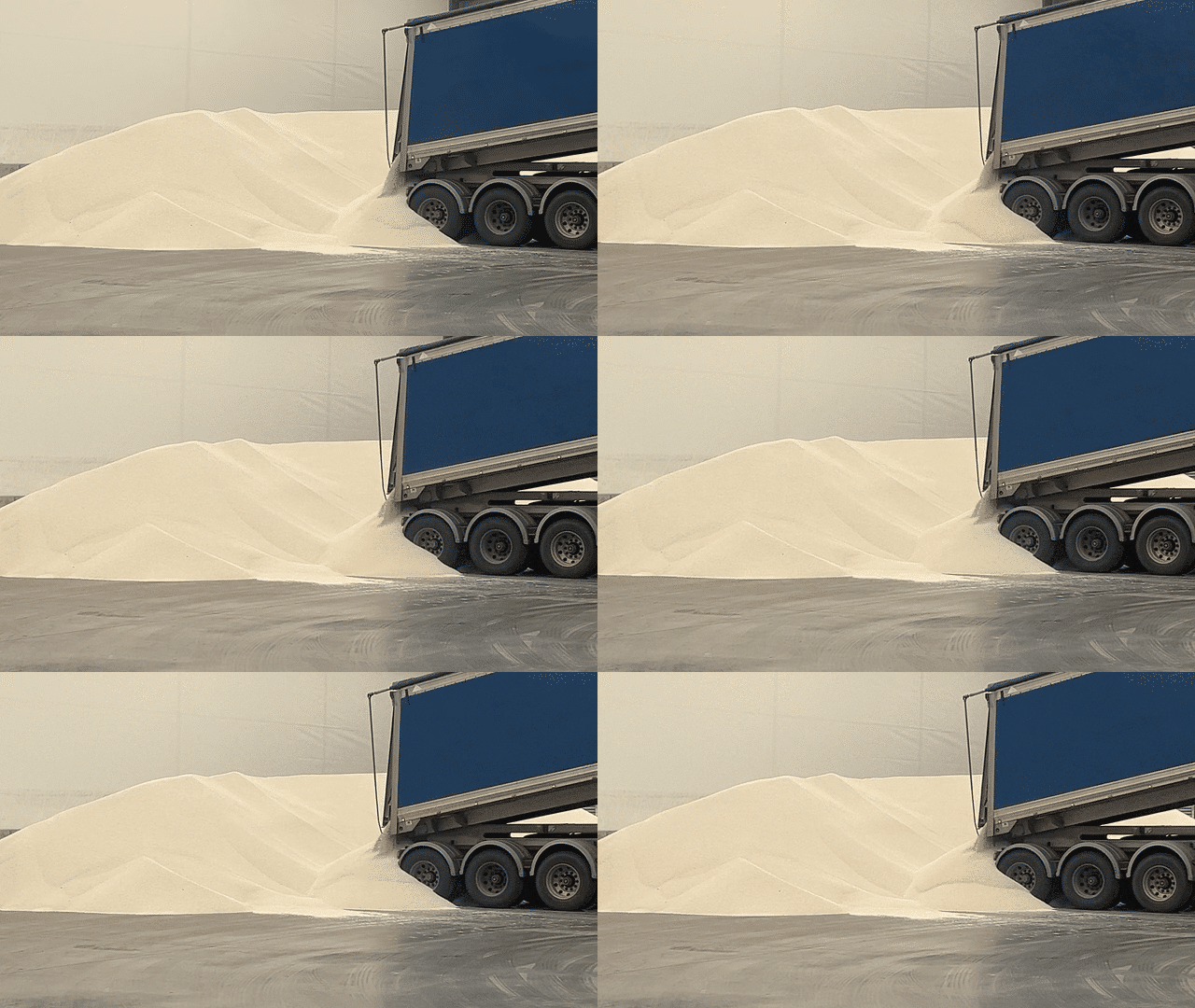
    Pacific Fertiliser is offering a new and expanded range of gypsum products from its Brisbane operations.

    We offer gypsum suitable for agriculture, civil and industrial applications.

    These tailored high analysis products are available in;

    • bulk gypsum
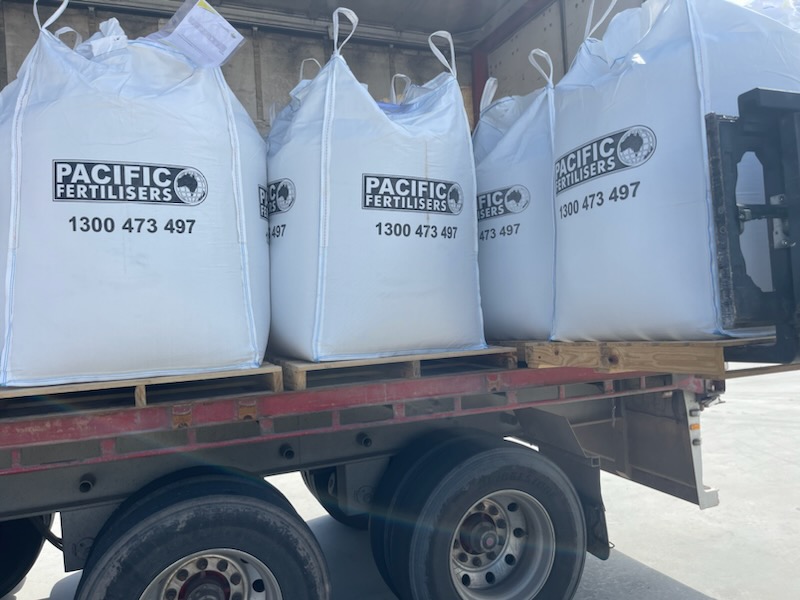
    • gypsum bulkbags
    • gypsum pallets of 25kgs bags

    The mined gypsum range consists of:
    – ProGYP gypsum – sub 4mm screened natural gypsum ex Brisbane (Adouble loading friendly)
    – Cal-S4 Gypsum – sub 4mm screened natural gypsum ex Port (loading upto B-doubles)
    – ProCal-S2 Gypsum – sub 2mm milled and screened natural gypsum ex Brisbane (Adouble loading friendly)
    – SuperFlocc – ultrafine grade milled natural gypsum (solution grade)

    [/fusion_text][/fusion_builder_column][/fusion_builder_row][/fusion_builder_container]

  • Melbourne Spreader Hire

    Melbourne Spreader Hire

    [fusion_builder_container type=”flex” hundred_percent=”no” equal_height_columns=”no” menu_anchor=”” hide_on_mobile=”small-visibility,medium-visibility,large-visibility” class=”” id=”” background_color=”” background_image=”” background_position=”center center” background_repeat=”no-repeat” fade=”no” background_parallax=”none” parallax_speed=”0.3″ video_mp4=”” video_webm=”” video_ogv=”” video_url=”” video_aspect_ratio=”16:9″ video_loop=”yes” video_mute=”yes” overlay_color=”” video_preview_image=”” border_color=”” border_style=”solid” padding_top=”” padding_bottom=”” padding_left=”” padding_right=””][fusion_builder_row][fusion_builder_column type=”1_1″ layout=”1_1″ background_position=”left top” background_color=”” border_color=”” border_style=”solid” border_position=”all” spacing=”yes” background_image=”” background_repeat=”no-repeat” padding_top=”” padding_right=”” padding_bottom=”” padding_left=”” margin_top=”0px” margin_bottom=”0px” class=”” id=”” animation_type=”” animation_speed=”0.3″ animation_direction=”left” hide_on_mobile=”small-visibility,medium-visibility,large-visibility” center_content=”no” last=”true” min_height=”” hover_type=”none” link=”” border_sizes_top=”” border_sizes_bottom=”” border_sizes_left=”” border_sizes_right=”” first=”true”][fusion_text]

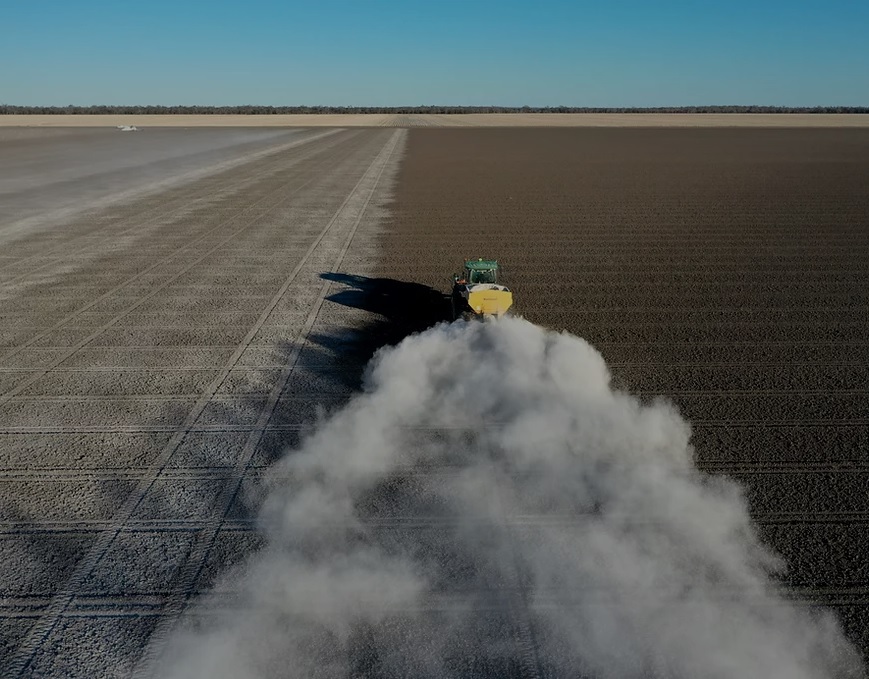
    Pacific Fertiliser has relationships to offer spreading with its products in the Great Melbourne Area.

    Products can be supplied and spread through local equipment to provide a fast and effective service. The operators have experience on farms, civil and mining sites.

    The precision fertiliser spreader uses GPS and load cells that can accurately spread fertiliser, lime, gypsum, dolomite, manure and compost.

    The Melbourne spreader has variable rate capability for areas that have prescription application maps.

    [/fusion_text][/fusion_builder_column][/fusion_builder_row][/fusion_builder_container]

  • New Deep Placement Products

    New Deep Placement Products

    New Deep Placement Products coming soon!

    Pacific Fertiliser is working on some new granular product blends for deep placement in the soil profile.

    The blends include:

    • Deep placement soil conditioner products – using granular soil amendment products like gypsum, lime, dolomite and manure to correct specific sub soil constraints
    • Deep placement fertiliser products – using granular fertiliser products like phosphates, potassium and sulphur
    • Deep placement fertiliser blends using products such as fertilisers, minerals, manure and biology to provide a sustainable fertiliser blend for one pass applications


  • Cowra Eagles 2023

    Cowra Eagles 2023

    Pacific Fertiliser is behind the Cowra Eagles 1st grade rugby side’s tilt for the premiership.

    After a narrow defeat in the semi’s last year the boys are looking to make amends with a late surge this season.

    Good Luck and Go The Reddies!


  • Fertiliser Blenders

    Fertiliser Blenders

    Pacific Fertiliser has purchased specialised Fertiliser blending equipment from the USA.

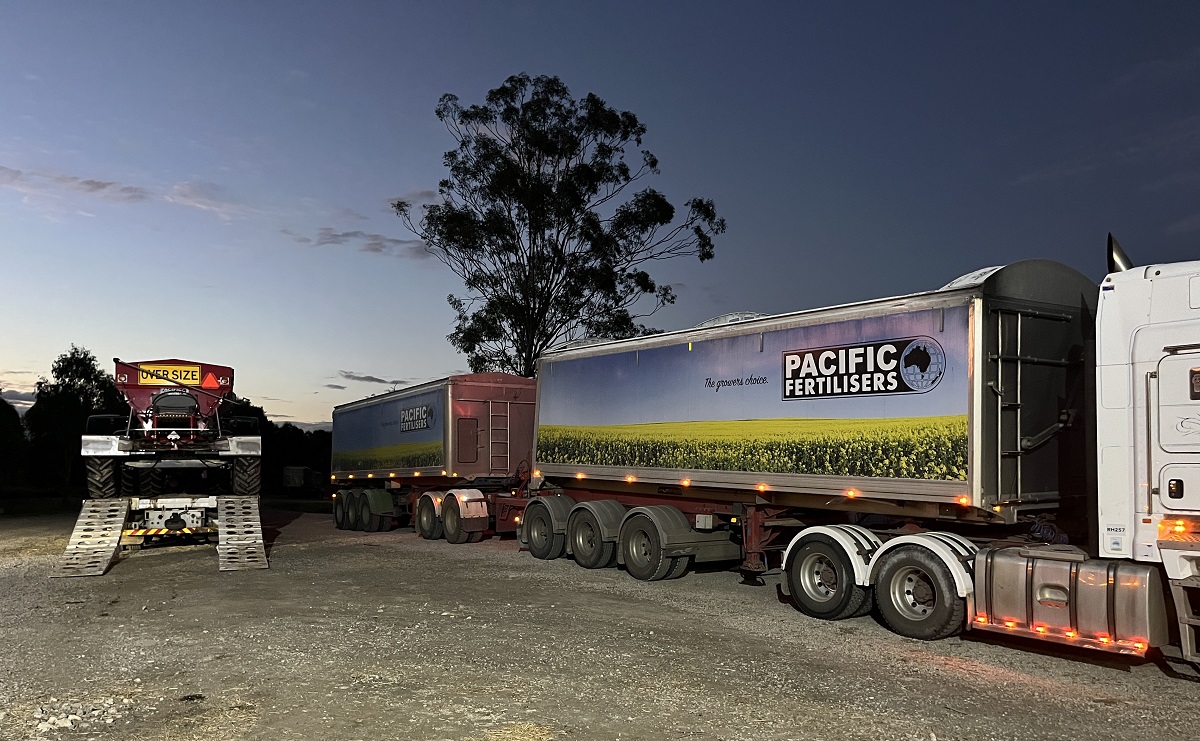
    Our aim is to offer bespoke blending services to customers for their tailored paddock blends (one-pass blends). These fertiliser blending systems will be available in regional areas where we can load our customers trucks, spreaders and groupers.

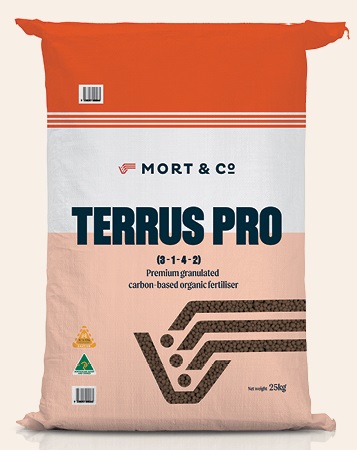
    In Addition to blending services for normal fertiliser products, we will also be able to offer blends on organic products & trace elements . The systems can also add biology and inhibitors to the fertiliser blends.

    Seed coating treatment is also possible using the blenders, such as Ferticote etc if/when required.

    At Pacific Fertilisers we pride ourselves on providing the best quality fertiliser to suit individual crop requirements.

    Using a soil analysis and or crop recommendation we can formulate a bespoke fertiliser blend using both Macro and Micro nutrients to help achieve the best possible yield and quality in any crop.

    This can then be blended and packaged ready for delivery. A very cost effective and environmentally friendly way of supplying crop needs without supplying excess nutrients to the crop.

    Contact us for more information.

  • ACID SULFATE SOILS MANAGEMENT PLAN

    ACID SULFATE SOILS MANAGEMENT PLAN

    [fusion_builder_container type=”flex” hundred_percent=”no” equal_height_columns=”no” menu_anchor=”” hide_on_mobile=”small-visibility,medium-visibility,large-visibility” class=”” id=”” background_color=”” background_image=”” background_position=”center center” background_repeat=”no-repeat” fade=”no” background_parallax=”none” parallax_speed=”0.3″ video_mp4=”” video_webm=”” video_ogv=”” video_url=”” video_aspect_ratio=”16:9″ video_loop=”yes” video_mute=”yes” overlay_color=”” video_preview_image=”” border_color=”” border_style=”solid” padding_top=”” padding_bottom=”” padding_left=”” padding_right=””][fusion_builder_row][fusion_builder_column type=”1_1″ layout=”1_1″ background_position=”left top” background_color=”” border_color=”” border_style=”solid” border_position=”all” spacing=”yes” background_image=”” background_repeat=”no-repeat” padding_top=”” padding_right=”” padding_bottom=”” padding_left=”” margin_top=”0px” margin_bottom=”0px” class=”” id=”” animation_type=”” animation_speed=”0.3″ animation_direction=”left” hide_on_mobile=”small-visibility,medium-visibility,large-visibility” center_content=”no” last=”true” min_height=”” hover_type=”none” link=”” border_sizes_top=”” border_sizes_bottom=”” border_sizes_left=”” border_sizes_right=”” first=”true”][fusion_text]ACID SULFATE SOILS MANAGEMENT PLAN

    Acid sulfate soil materials are most commonly assessed for their acidity hazard. The Net Acidity of the soil is a measure of this hazard and is used to determine whether an ASS management plan (ASSMP) should be developed.

    The objective of an ASSMP is to control net acidity levels within the soils disturbed during the excavations at the above site and to restrict to an acceptable level any
    potential on-site and off-site environmental impacts during construction.

    The ASSMP is implemented to mitigate and manage potential environmental impacts associated with ASS during the construction works. This will be achieved as follows:-
    The excavation of soils requires a material handling, management strategy and procedure for the appropriate off-site treatment of the ASS (if insufficient space is
    available for on-site treatment) to be in place. Monitoring of groundwater collected within the site to ensure discharge water complies with water quality criteria.

    [/fusion_text][/fusion_builder_column][/fusion_builder_row][/fusion_builder_container]

  • Dispersive Soil Management Plan

    Dispersive Soil Management Plan

    [fusion_builder_container type=”flex” hundred_percent=”no” equal_height_columns=”no” menu_anchor=”” hide_on_mobile=”small-visibility,medium-visibility,large-visibility” class=”” id=”” background_color=”” background_image=”” background_position=”center center” background_repeat=”no-repeat” fade=”no” background_parallax=”none” parallax_speed=”0.3″ video_mp4=”” video_webm=”” video_ogv=”” video_url=”” video_aspect_ratio=”16:9″ video_loop=”yes” video_mute=”yes” overlay_color=”” video_preview_image=”” border_color=”” border_style=”solid” padding_top=”” padding_bottom=”” padding_left=”” padding_right=””][fusion_builder_row][fusion_builder_column type=”1_1″ layout=”1_1″ background_position=”left top” background_color=”” border_color=”” border_style=”solid” border_position=”all” spacing=”yes” background_image=”” background_repeat=”no-repeat” padding_top=”” padding_right=”” padding_bottom=”” padding_left=”” margin_top=”0px” margin_bottom=”0px” class=”” id=”” animation_type=”” animation_speed=”0.3″ animation_direction=”left” hide_on_mobile=”small-visibility,medium-visibility,large-visibility” center_content=”no” last=”true” min_height=”” hover_type=”none” link=”” border_sizes_top=”” border_sizes_bottom=”” border_sizes_left=”” border_sizes_right=”” first=”true”][fusion_text columns=”” column_min_width=”” column_spacing=”” rule_style=”” rule_size=”” rule_color=”” hue=”” saturation=”” lightness=”” alpha=”” user_select=”” content_alignment_medium=”” content_alignment_small=”” content_alignment=”” hide_on_mobile=”small-visibility,medium-visibility,large-visibility” sticky_display=”normal,sticky” class=”” id=”” margin_top=”” margin_right=”” margin_bottom=”” margin_left=”” fusion_font_family_text_font=”” fusion_font_variant_text_font=”” font_size=”” line_height=”” letter_spacing=”” text_transform=”” text_color=”” animation_type=”” animation_direction=”left” animation_color=”” animation_speed=”0.3″ animation_delay=”0″ animation_offset=”” logics=””]

    Dispersive Soil Management (DSM)

    Dispersive Soil Management is to define the overall soil dispersion risk of the site soils and to
    provide appropriate management principles in order to ensure that proposed earthworks do not
    cause land degradation. Good management can also mitigate effects on the built environment from soil dispersion as a consequence of soil disturbance.

    Dispersive Soil Management Plan (DSMP) will generally test the soil emersion, soil pH, soil salinity and soil sodicity (ESP) to ascertain the Overall Soil Dispersion Risk. Allowing the principal contractor to implement the most appropriate DSMP for the site and soil type.

    Emmerson Class Test:
    An Emerson number of 1 indicates a strongly dispersive soil, an Emerson number of 2 indicates a
    high risk of significant soil dispersion; an Emerson number of 3 indicates a moderate risk of
    significant soil dispersion; whilst an Emerson number ranging between 4 and 8 indicates a soil with
    low to negligible dispersion tendencies.

    Soil pH Test:
    Soil pH is a secondary indicator in the estimation of soil dispersion hazard; where significantly
    alkaline pH values (e.g. pH >8.0) can indicate a higher risk of soil sodicity and subsequent soil
    dispersion.

    Soil Salinty Test:
    Soil salinity reflects the relationship between landscape hydrology, geology, soil properties and
    vegetation. Soil salinity is also secondary indicator in the estimation of soil dispersion hazard. Soils
    with mildly saline values (or relatively higher values to comparison soils) can sometimes indicate
    higher levels of sodium and therefore can indicate a higher risk of soil sodicity and subsequent
    soil dispersion.

    Soil Sodicity Test:
    Soil Sodicity is a measure of exchangeable sodium in relation to other exchangeable cations and is
    expressed as the Exchangeable Sodium Percentage (ESP). ESP is an important primary risk indicator
    in the identification of dispersive soils. The common problems that may be encountered with sodic
    soils are lower hydraulic conductivity (i.e. water logging), higher susceptibility to tunnel erosion and
    severe gully erosion, poor aeration and reduction in plant-available water capacity and poor
    leaching (i.e. build up of salts). The tendency for soil dispersion usually increases with increasing ESP. Sodic soil layers (ESP ≥6)
    may disperse and strongly sodic soils (ESP ≥15) usually do.

    Sub-surface Treatment (how to treat dispersive soils):
    If it is considered that the subsoil/sub-surface materials exhibit an overall high to very high soil
    dispersion risk and therefore shall require specific soil amelioration and management practices in
    order to mitigate the soil dispersion risk. Depending on the above testing the subsoil/sub-surface materials could require gypsum soil amelioration in specific, targeted areas at an equivalent minimum rate of t/m3 to manage the dispersion risk.

    [/fusion_text][/fusion_builder_column][/fusion_builder_row][/fusion_builder_container]

  • Turbid Water Treatment with Superflocc

    Turbid Water Treatment with Superflocc

    Superflocc gypsum can treat turbid water in sediment dams within 24hrs.

    For more info please contact the office.

  • Fertiliser Wholesaler in Australia

    Fertiliser Wholesaler in Australia

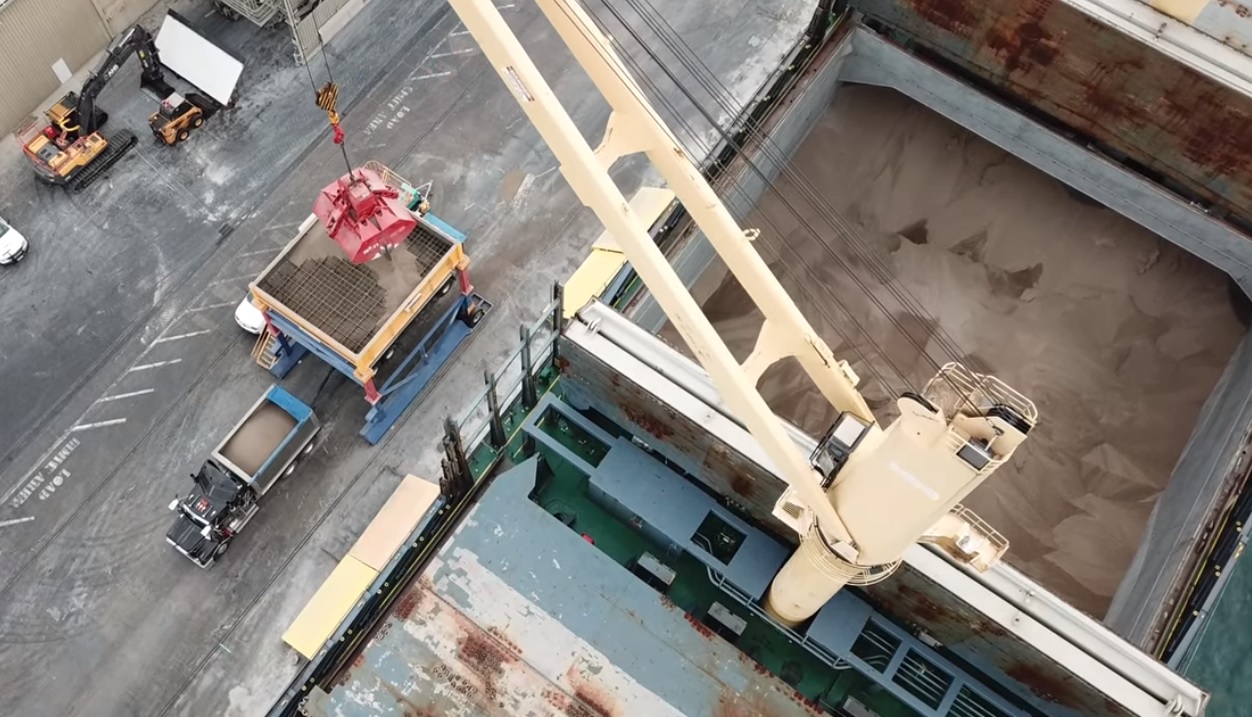
    Pacific Fertiliser is a bulk fertiliser wholesaler and distributor mainly on the east coast of Australia.

    We provide high quality fertiliser products and blends.