
Author: admin

  • TriplePlus Fertiliser Benefits

    TriplePlus Fertiliser Benefits

    Triple Plus (aka Trespass or TSPS) Fertiliser Benefits

    62t TriplePlus contains the same amount of phosphate as 125t Single Super (SSP).

    (62t TriplePlus (0-18-0-10) contains [62 x (17.8/ 100)] = 11t phosphorus (P);
    and
    125t SSP (0-9-0-11) contains [125 x (8.8/100)] = 11t phosphorus (P).

    The product is very suited to aerial or ground spread applications over hilly country where application rates and frequency are generally low. On top of allowing you to purchase less fertiliser, you could potentially reduce your handling and spreading costs by up to 50% by using the TriplePlus fertiliser product over single super.

    The downside is triple super and triple plus are not the most available sources of phosphorous and in Triple Plus fertiliser the sulphur is mainly elemental.


  • NKS REGAR Fertiliser

    NKS REGAR Fertiliser

    NKS REGAR is a water soluble compound fertiliser for fertigation or dry application.

    With an analysis of 9-0-30-14 it is a close alternative to Pot Nitrate without being a Dangerous Good (DG). The NKS compound fertiliser is based on potassium sulphate with nitrogen present as ammonium nitrate.

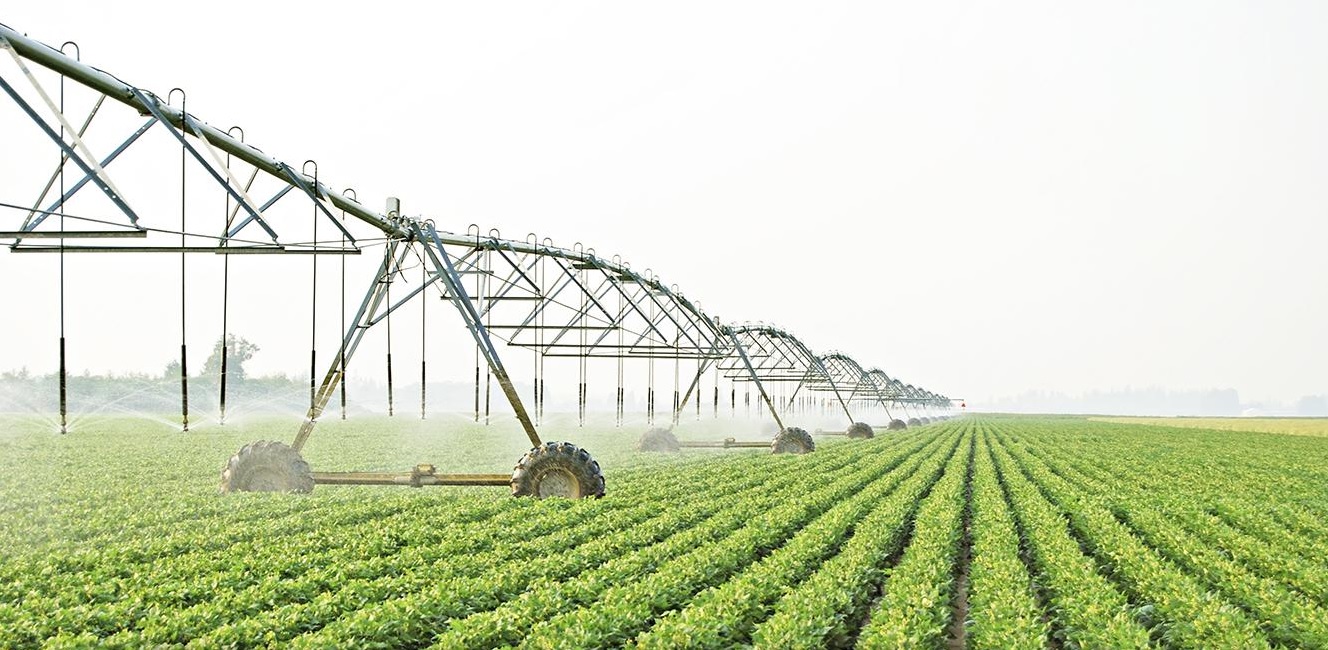
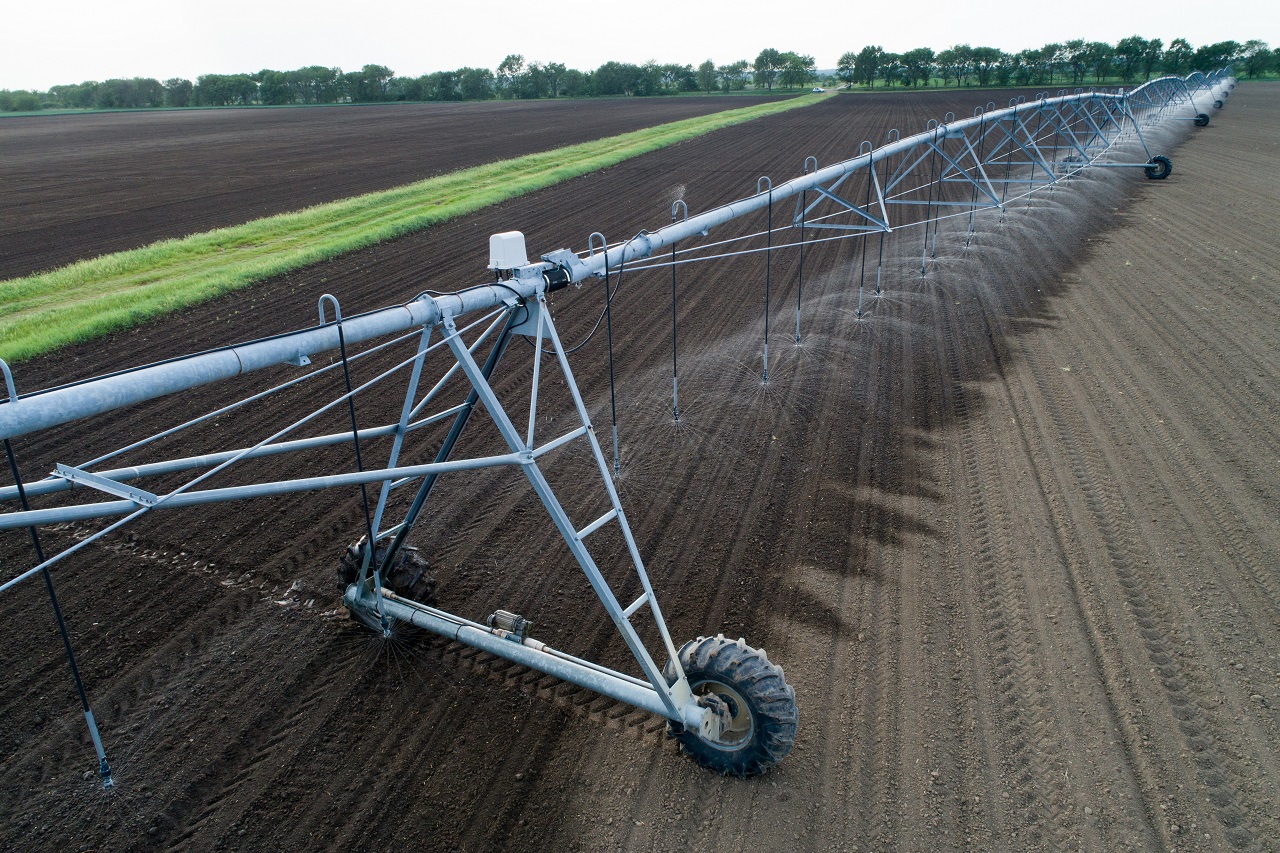
    Regar is suitable for fertigation applications through macro sprinklers, micro sprinklers, pivot and lateral irrigators.

    potassium nitrate


  • Poly-Feed Fertilisers

    Poly-Feed Fertilisers

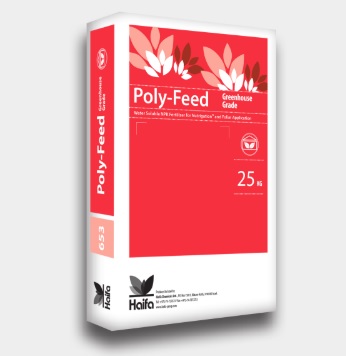
    Poly-Feed Fertilisers are a range of rich, balanced fertilisers for soil and soilless greenhouse crops, suitable for NutrigationTM (Fertigation) with water of varied quality and for foliar application. All the formulae are enriched with high concentrations of micronutrients. Poly-Feed is easily identified by the red color of both the bag and the product.

    We have blends avaliable for greenhouses, hydroponics and premanent cropping applications.

    General Micronutirents included in the poly feed products are 1000 ppm iron (Fe), 500 ppm manganese (Mn), 200 ppm boron (B), 150 ppm zinc (Zn), 110 ppm copper (Cu), 70 ppm molybdenum (Mo).

  • What is APP Fertiliser

    APP (Liquid complex fertiliser) is actually a water solution of ammonium phosphates and it contains two macro nutrients nitrogen and phosphorous

    APP Liquid Fertilisers can be the ideal starter & foliar fertiliser when high levels of plant available nitrogen & phosphorus are required for growth and root production

    Well-known phosphorus sources such as MAP and DAP contain phosphorus in the “orthophosphate” form ie. these are single phosphate molecules which can easily become locked and unavailable to plants when applied to high pH, calcareous and acidic soils fixing phosphorus.

    The phosphorus in ammonium polyphosphate is not subject to this lock up. The reason for this is its long chain structure. During production of ammonium polyphosphate the extreme temperature of the reaction forces water out of the structure, thus forming polymer chains between the phosphate molecules.

  • What is UAN Fertiliser

    What is UAN Fertiliser

    Liquid urea-ammonium nitrate (UAN) fertiliser is relatively simple to produce. A heated solution containing dissolved urea is mixed with a heated solution of ammonium nitrate to make a clear liquid fertiliser. Half of the total Nitrogen comes from the urea in solution and half from the ammonium nitrate in solution.

  • Treating Salty Irrigation Water with Gypsum

    Treating Salty Irrigation Water with Gypsum

    Gypsum has many uses in agriculture and it can also assist in the treatment of irrigation water for operations such as the coal seam gas extraction.

    Water high in sodium (SAR above 6.0) can be modified through the addition of Gypsum (high in calcium), either through the irrigation water or by direct application to the soil.

    Certain chemical amendments added to soil or water should improve a low infiltration rate caused by low salinity or by excessive sodium (high SAR) in the irrigation water. Improvement can be expected if the amendment increases the soluble calcium content or causes a significant increase in the salinity (ECw) of the applied water. Amendments are used to help increase the infiltration or counter the effects of sodium, since, at present, there is no economical process available for removing salts or sodium from irrigation water which is low enough in cost for general agricultural use. An amendment, such as gypsum, when added to soil or water will increase the calcium concentration in the water, thus reducing the sodium to calcium ratio and the SAR. Adding gypsum is also beneficial because it increases the salinity of low salt waters, thus improving infiltration (Figure 21). Gypsum of other similar additives will not cause any important improvement if poor infiltration is due to adverse soil texture, soil compaction, restrictive claypan or hardpan layers, or a high water table.

    Water amendments are most effective if the water infiltration problem is caused by a low salinity water (ECw < 0.2 dS/m) or by high SAR in a water of low to moderate salinity (ECw < 1.0 dS/m). If water salinity is moderate to high (ECw > 1.0 dS/m) in addition to a high SAR, soil applied amendments such as gypsum or sulphur may be preferred and often are more effective.

    Example – A 5 hectare area needs an irrigation depth of 100 mm. The gypsum quality is 90% pure and an increase of 2 me/l of calcium is desired in the water. How much gypsum should be used?
    Given: ECw = 0.15 dS/m
    Area = 5 ha
    Gypsum = 90 percent pure
    Total water requirement = (5 x 10,0000)  x (100/1000) = 5,000 m3

    1 milliequivalent per litre of calcium = 86 kg of 100% gypsum per 1000 m3 of water
    Explanation: The amount of 100 percent gypsum needed to supply 2 me/l of Ca in 5000 m3 of water can be found by:
    1. 1 me/l (Ca) = 86 kg (100% gypsum)/1000 m3
    2. For 1 me/l (Ca) in 5000 m3
    1 me/l (Ca) = 5 × 86 = 430 kg of 100% gypsum
    3. For 2 me/l (Ca) in 5000 m3
    2 me/l (Ca) = 430 kg × 2 = 860 kg of 100% gypsum
    4. Since Pacific Fertiliser gypsum is around 90% pure, the amount of gypsum needed is found by (860 × 100) ÷ 90 = 960 kg of 70% pure gypsum

    A finely ground gypsum is best for water applications such as SuperFlocc gypsum. Therefore the total quality of gypsum needed to supply 2 me/l of calcium in the 5000 m3 of water is ~ 1 tonne of 90% pure gypsum.

  • Canowindra Lime

    Canowindra Lime

    Pacific Fertiliser can supply, deliver and spread Ag lime from the new Westlime Canowindra lime pit on Canomdine Lane.

    The fine lime products are suitable from cropping, pastoral and horticultural operations in south west NSW.

    We can also offer pH mapping and variable rate lime applications to ensure you have a uniform pH across each paddock.


  • Spreader Blend – Fert + Amendmants

    Spreader Blend – Fert + Amendmants

    The spreader blend is roughly 50% Urea + 25% soft rock phosphate and 25% minerals like lime, gypsum, dolomite and humates/brown coal fines. It contains mainly granules and some fines.

    Suitable for a belt spreader.

  • Precision Ag Mapping Trailer

    Precision Ag Mapping Trailer

    Pacific Fertiliser just acquired a Veris Mapping Trailer which should arrive in Australia in late November.

    The mapping trailer measures  pH, EC, OM, topology and we can tailor the mapping grids to match budgets and crop value.

    Veris and Precision Agriculture Australia reckon on the first variable rate application of Ag Lime after mapping a paddock you can save 20-30% on lime. So depending on your spread cost for Ag lime, this savings could cover the initial mapping cost, plus the gain of improved productivity. On top of these initial benefits you also have a long term map/data asset to build with overlays of future yield mapping and aerial or satellite mapping etc.

    The trailer mapping will assist in targeting areas to undertake detailed soil tests to provide a good understanding of each paddock without the need for more detailed and expensive grid soil sampling techniques.

    The Veris FieldFusion software generates variable rate maps for products such as lime, gypsum and manures and these maps can be transferred into spreaders like our AgriSpread spreader to deliver accurate variable rate applications.

    Please follow link to the soil mapping brochure.