Author: admin

  • Humates Spreading Rates

    Humates Spreading Rates

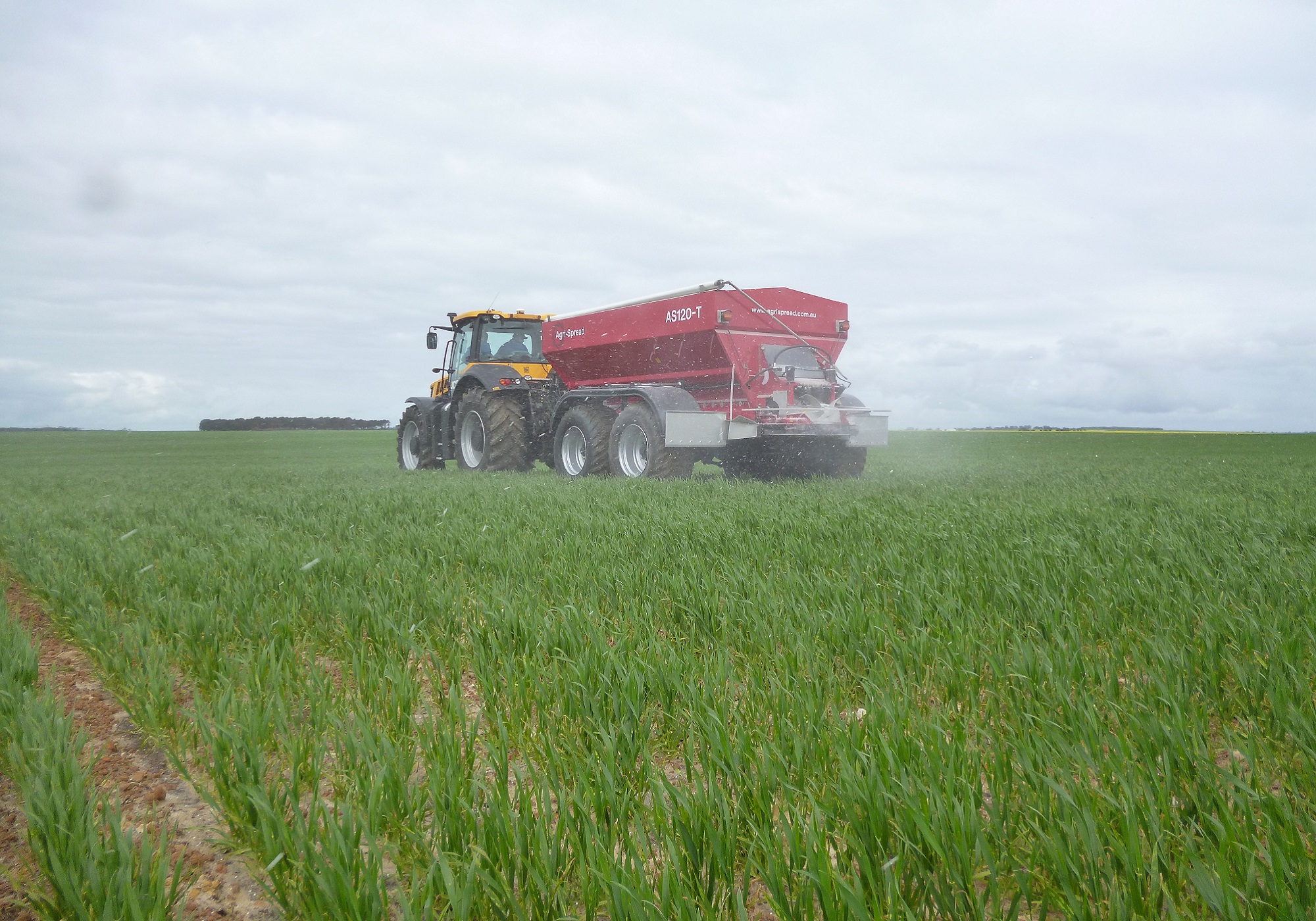
    Spreader Application rates for fine Lignite coal on agricultural land (aka Leonardite or Brown coal fines) – General rates around 500 to 1000kg/ha

    Leonardite is the organic matter associated with lignite that has not yet completed the process of transformation into coal.

    We can also add this product to fertiliser blends as a fine powder, granule or in liquid form (carbon fulvic humic).
    For more info on this product visit the humates page.

  • Corn Fertiliser Blends

    Corn Fertiliser Blends

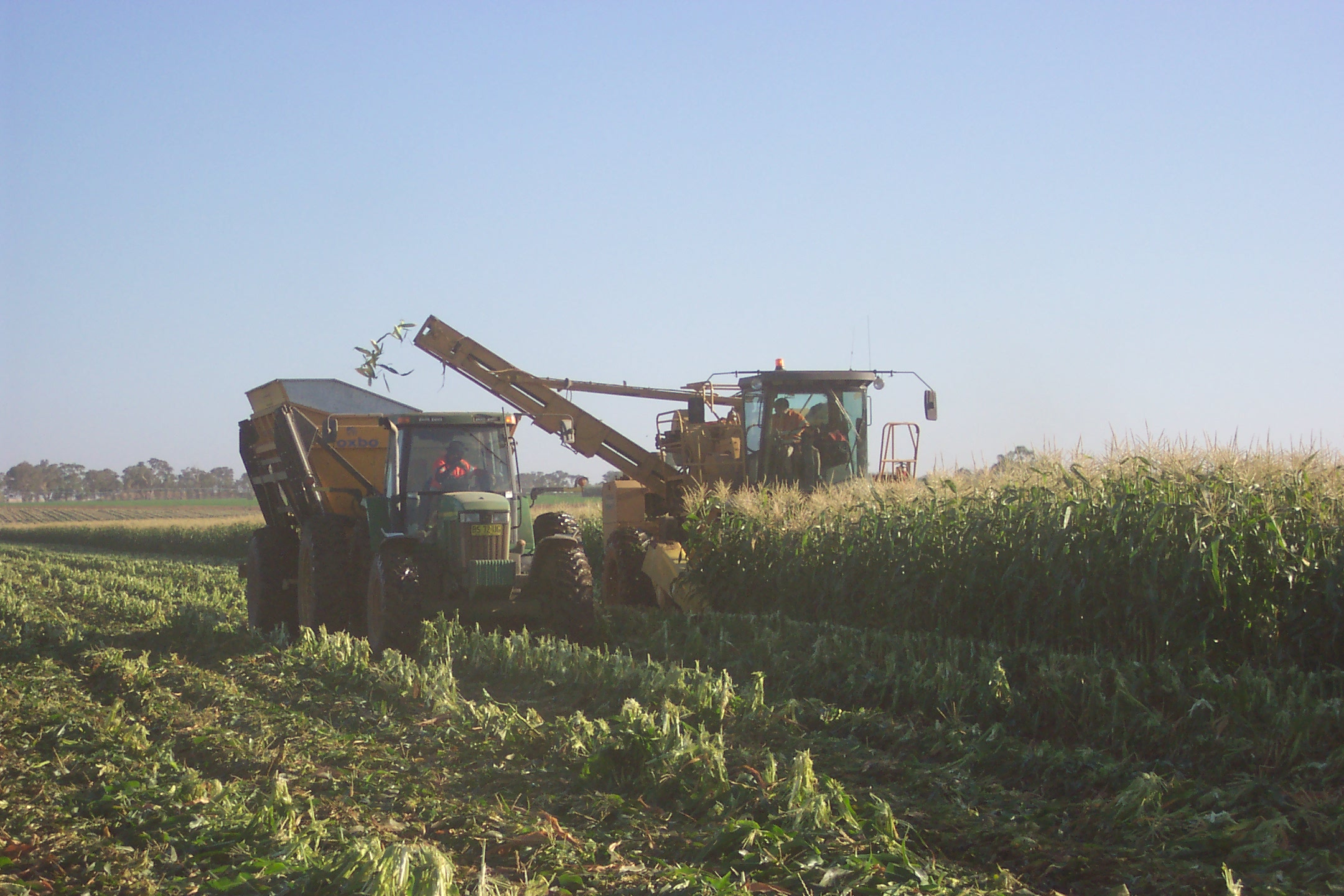
    We can manufacture some blends specifically as a starter option for corn crops.

    Blend ratios can change but they are generally a NKS fertiliser blend of Urea, SOA and MOP. Providing good levels of Nitrogen, Potassium and Sulphur.

    Some of the regular blends supplied:

    28-0-13-06

    21-0-23-04

    7-8-30-1  (when Urea or SOA is applied pre-plant)

    NKS fertiliser blend of Urea, SOA and SOP for added sulphur
    21-0-23-09

    22-0-17-12

    Irrigation experiments in the USA have shown that a well fertilised corn crop was 43 percent more efficient in water usage than a non-fertilised crop.

    During production a corn plant requires ~29kg of N per tonne, ~5kg of phosphorus per tonne, ~22kgs of potassium per
    tonne and ~3.5kg Sulphur per tonne of production.

  • Brisbane Spreader Hire

    Brisbane Spreader Hire

    [fusion_builder_container type=”flex” hundred_percent=”no” equal_height_columns=”no” menu_anchor=”” hide_on_mobile=”small-visibility,medium-visibility,large-visibility” class=”” id=”” background_color=”” background_image=”” background_position=”center center” background_repeat=”no-repeat” fade=”no” background_parallax=”none” parallax_speed=”0.3″ video_mp4=”” video_webm=”” video_ogv=”” video_url=”” video_aspect_ratio=”16:9″ video_loop=”yes” video_mute=”yes” overlay_color=”” video_preview_image=”” border_color=”” border_style=”solid” padding_top=”” padding_bottom=”” padding_left=”” padding_right=””][fusion_builder_row][fusion_builder_column type=”1_1″ layout=”1_1″ background_position=”left top” background_color=”” border_color=”” border_style=”solid” border_position=”all” spacing=”yes” background_image=”” background_repeat=”no-repeat” padding_top=”” padding_right=”” padding_bottom=”” padding_left=”” margin_top=”0px” margin_bottom=”0px” class=”” id=”” animation_type=”” animation_speed=”0.3″ animation_direction=”left” hide_on_mobile=”small-visibility,medium-visibility,large-visibility” center_content=”no” last=”true” min_height=”” hover_type=”none” link=”” border_sizes_top=”” border_sizes_bottom=”” border_sizes_left=”” border_sizes_right=”” first=”true”][fusion_text]

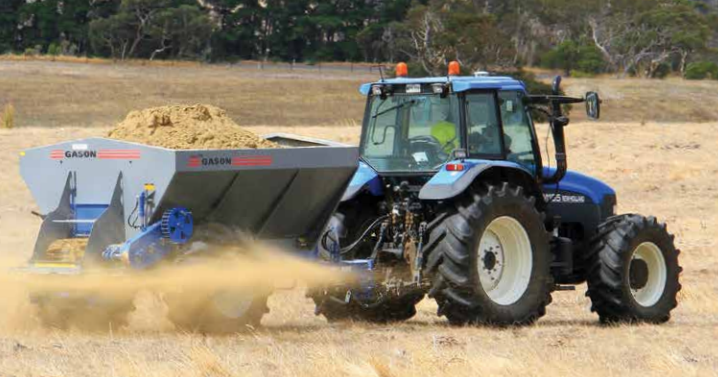
    Pacific Fertiliser has added a new fertiliser spreader to the fleet. The spreader will be based at Gatton of Brisbane.

    The location enables spreading work to be carried out from Ipswich to Heildon Spa.

    The precision 7t spreader is on load cells and can accurately handle fertiliser, lime, gypsum, dolomite, manure and compost.

    The Lockyer Valley spreader has variable rate fertiliser capability and is on 3m centres.
    [/fusion_text][/fusion_builder_column][/fusion_builder_row][/fusion_builder_container]

  • Fertiliser for Establishing Pastures

    Fertiliser for Establishing Pastures

    [fusion_builder_container type=”flex” hundred_percent=”no” equal_height_columns=”no” menu_anchor=”” hide_on_mobile=”small-visibility,medium-visibility,large-visibility” class=”” id=”” background_color=”” background_image=”” background_position=”center center” background_repeat=”no-repeat” fade=”no” background_parallax=”none” parallax_speed=”0.3″ video_mp4=”” video_webm=”” video_ogv=”” video_url=”” video_aspect_ratio=”16:9″ video_loop=”yes” video_mute=”yes” overlay_color=”” video_preview_image=”” border_color=”” border_style=”solid” padding_top=”” padding_bottom=”” padding_left=”” padding_right=””][fusion_builder_row][fusion_builder_column type=”1_1″ layout=”1_1″ background_position=”left top” background_color=”” border_color=”” border_style=”solid” border_position=”all” spacing=”yes” background_image=”” background_repeat=”no-repeat” padding_top=”” padding_right=”” padding_bottom=”” padding_left=”” margin_top=”0px” margin_bottom=”0px” class=”” id=”” animation_type=”” animation_speed=”0.3″ animation_direction=”left” hide_on_mobile=”small-visibility,medium-visibility,large-visibility” center_content=”no” last=”true” min_height=”” hover_type=”none” link=”” border_sizes_top=”” border_sizes_bottom=”” border_sizes_left=”” border_sizes_right=”” first=”true”][fusion_text]

    Some of the fertiliser products used for establishing pastures in Eastern Australia.

    • Single Superphosphate (SSP),  general analysis 0-9-0-11-19, general rates app rates 100-250kg/ha
    • Single + Sulphur (SSP 26S),  general analysis 0-7-0-26-15, general rates app rates 100-200kg/ha
    • Triple Superphosphate (TSP) , general analysis 0-21-0-2-17, general rates app rates 50-100kg/ha
    • TriplePlus (TSP sulphur blend), general analysis 0-18-0-10-11, general rates app rates 50-150kg/ha
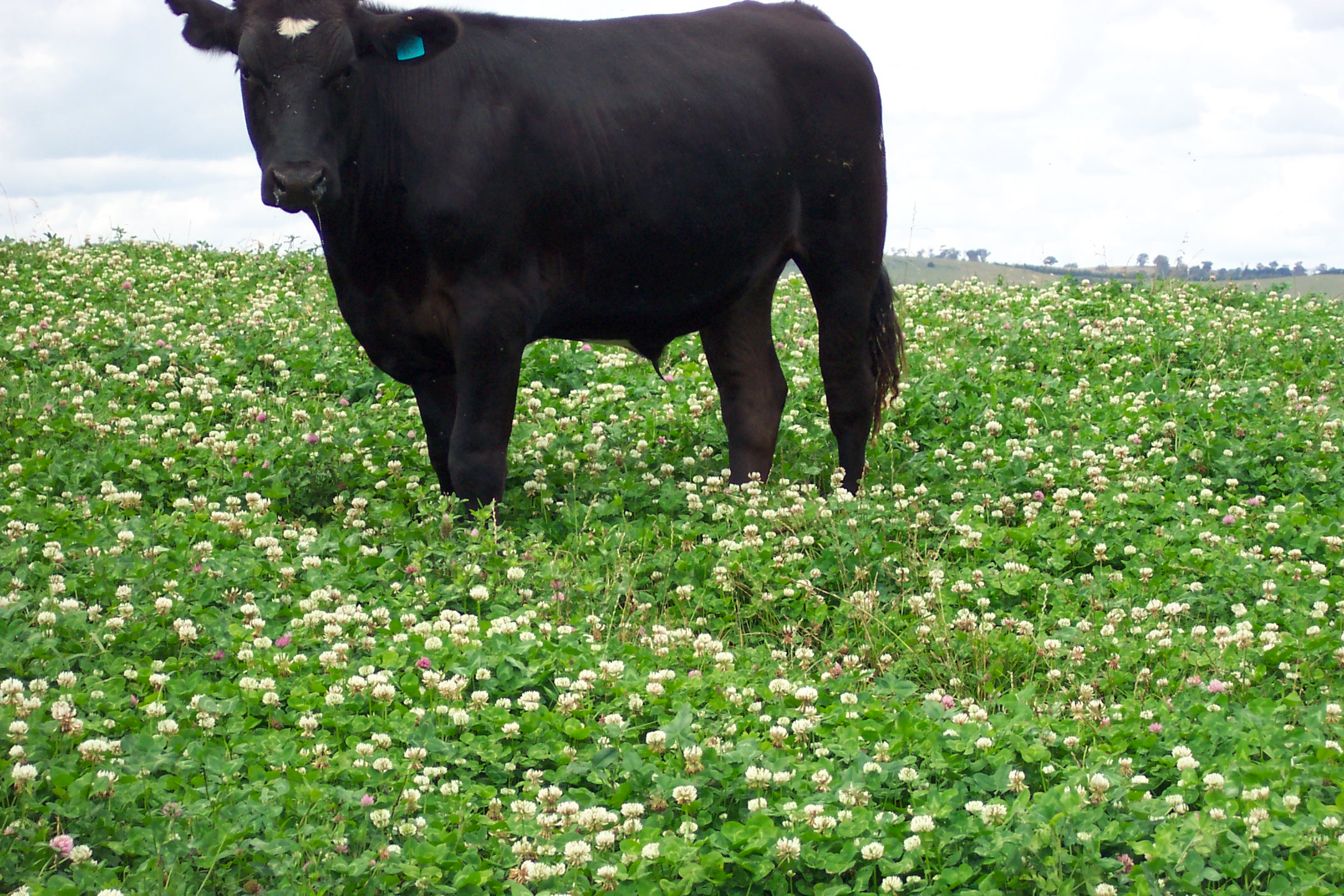
    • Pasture King SS13 (Double Super Sulphur blend), general analysis 0-14-0-13-12, general rates app rates 50-100kg/ha
    • GoldPhosphate, general analysis 11-18-0-12, general rates app rates 100kg/ha
    • Pasture Starter (blend), general analysis 7-14-0-8-7, general rates app rates 75-125kg/ha
    • Starter 15 (blend), general analysis 14-13-0-11, general rates app rates 75kg/ha
    • TunzaCrop 15 (blend), general analysis 15-11-0-12, general rates app rates 75kg/ha
    • Diammonium Phosphate (DAP), general analysis 18-20-0-2, general rates app rates 50kg/ha
    • DAP Sulphur Blend, general analysis 16-18-0-11, general rates app rates 50-75kg/ha

    * Please seek professional agronomic advice with soil tests to achieve the desired result from your fertiliser applications

    [/fusion_text][/fusion_builder_column][/fusion_builder_row][/fusion_builder_container]

  • Decorative Stone Brisbane

    Decorative Stone Brisbane

    [fusion_builder_container type=”flex” hundred_percent=”no” equal_height_columns=”no” menu_anchor=”” hide_on_mobile=”small-visibility,medium-visibility,large-visibility” class=”” id=”” background_color=”” background_image=”” background_position=”center center” background_repeat=”no-repeat” fade=”no” background_parallax=”none” parallax_speed=”0.3″ video_mp4=”” video_webm=”” video_ogv=”” video_url=”” video_aspect_ratio=”16:9″ video_loop=”yes” video_mute=”yes” overlay_color=”” video_preview_image=”” border_color=”” border_style=”solid” padding_top=”” padding_bottom=”” padding_left=”” padding_right=””][fusion_builder_row][fusion_builder_column type=”1_1″ layout=”1_1″ background_position=”left top” background_color=”” border_color=”” border_style=”solid” border_position=”all” spacing=”yes” background_image=”” background_repeat=”no-repeat” padding_top=”” padding_right=”” padding_bottom=”” padding_left=”” margin_top=”0px” margin_bottom=”0px” class=”” id=”” animation_type=”” animation_speed=”0.3″ animation_direction=”left” hide_on_mobile=”small-visibility,medium-visibility,large-visibility” center_content=”no” last=”true” min_height=”” hover_type=”none” link=”” border_sizes_top=”” border_sizes_bottom=”” border_sizes_left=”” border_sizes_right=”” first=”true”][fusion_text]

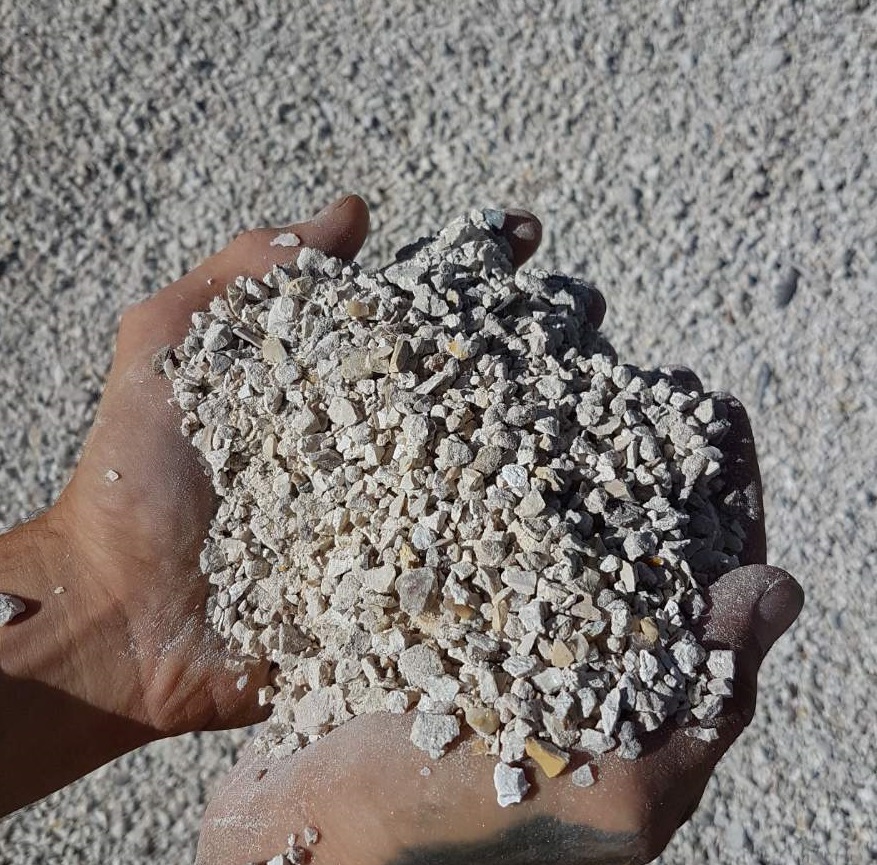
    Pacific Fertiliser, supplies a decorative pebble product suitable for gardens, pathways, driveways, and civil projects.

    The decorative white stone is dolomite or limestone chip refined into a 3-8mm stone product.

    We can also produce filterstone, poultry grit and selgrit.

    We also supply other decorative stone products such as

    • decorative white stone which is made from limestone chip refined and screened to a 3-10mm stone product.
    • decorative gypsum stone – a grey opaque gypsum chip refined and screened to a 3-10mm stone product.

    Pacific Fertiliser is a wholesaler so please ask your local landscape supplier about our products.

    [/fusion_text][/fusion_builder_column][/fusion_builder_row][/fusion_builder_container]

  • Bioremediation of Soils Polluted with Hydrocarbons

    Bioremediation of Soils Polluted with Hydrocarbons

    Oil-polluted soil remediation with NPK fertilisers.

    It was clear from the present study that the addition of nutrients in the form of  N.P.K. (such as nitrogen, phosphate and potassium) stimulated the activity of bacteria and fungi in soil. Chicken manure can also be used to supply the NPK nutrients the oil-polluted soil.

    It was found that the mean value of CO2 production at 50% soil moisture content of petroleum contaminated soil amended with NPK fertilisers was always higher than the corresponding figures of soil polluted with petroleum oil alone or in soil that was not polluted. These results clearly demonstrate that enhanced oil biodegradation can be achieved by adding mineral nutrients to contaminated soil (Frick et ai., 1999).
    The NPK nutirents used in the testing was applied via the following products:
    – Ammonium nitrate (33.5% nitrogen),
    – Single Superphosphate (9% phosphorous) and
    – Potassium sulphate (41.5% potassium)

    Other products such as Sodium Persulfate have been successfully used for treating hydrocarbon contamination in soil. Industry results have shown that persulfate oxidation is capable of treating diesel contamination in soils and groundwater.

  • Organic Sulfate of Potash

    Organic Sulfate of Potash

    Organic SOP Fertiliser.

    Potash fertiliser can be made in two different ways:

    1. One method allows SOP to be an allowable input for organic farming operations. This is where natural K containing minerals (such as Kainite and Schoenite) are mined and carefully rinsed with water and salt solutions to remove by-products and produce SOP. This is a complex method and expensive and is why the price of SOP fertiliser is priced much higher than MOP fertiliser.
    2. The other method typically creates SOP by the reaction of potassium chloride (KCL) with sulfuric acid SO4 (Mannheim process) to produce sulphate of potash (K2SO4).

    If you require organic SOP or other organic fertilisers, please make contact and our staff will help you out with pricing and organic fertiliser blends.


  • Pasture Booster Fertiliser

    Pasture Booster Fertiliser

    [fusion_builder_container type=”flex” hundred_percent=”no” equal_height_columns=”no” menu_anchor=”” hide_on_mobile=”small-visibility,medium-visibility,large-visibility” class=”” id=”” background_color=”” background_image=”” background_position=”center center” background_repeat=”no-repeat” fade=”no” background_parallax=”none” parallax_speed=”0.3″ video_mp4=”” video_webm=”” video_ogv=”” video_url=”” video_aspect_ratio=”16:9″ video_loop=”yes” video_mute=”yes” overlay_color=”” video_preview_image=”” border_color=”” border_style=”solid” padding_top=”” padding_bottom=”” padding_left=”” padding_right=””][fusion_builder_row][fusion_builder_column type=”1_1″ layout=”1_1″ background_position=”left top” background_color=”” border_color=”” border_style=”solid” border_position=”all” spacing=”yes” background_image=”” background_repeat=”no-repeat” padding_top=”” padding_right=”” padding_bottom=”” padding_left=”” margin_top=”0px” margin_bottom=”0px” class=”” id=”” animation_type=”” animation_speed=”0.3″ animation_direction=”left” hide_on_mobile=”small-visibility,medium-visibility,large-visibility” center_content=”no” last=”true” min_height=”” hover_type=”none” link=”” border_sizes_top=”” border_sizes_bottom=”” border_sizes_left=”” border_sizes_right=”” first=”true”][fusion_text columns=”” column_min_width=”” column_spacing=”” rule_style=”” rule_size=”” rule_color=”” hue=”” saturation=”” lightness=”” alpha=”” user_select=”” content_alignment_medium=”” content_alignment_small=”” content_alignment=”” hide_on_mobile=”small-visibility,medium-visibility,large-visibility” sticky_display=”normal,sticky” class=”” id=”” margin_top=”” margin_right=”” margin_bottom=”” margin_left=”” fusion_font_family_text_font=”” fusion_font_variant_text_font=”” font_size=”” line_height=”” letter_spacing=”” text_transform=”” text_color=”” animation_type=”” animation_direction=”left” animation_color=”” animation_speed=”0.3″ animation_delay=”0″ animation_offset=”” logics=””]

    Pasture Boosta (25-4-13-4)

    A fertiliser blend consisting of  – Urea, MOP, MAP and SOA

    Booster fertilisers can help improve the quality of hay and silage produced especially when applied in spring. Consider the type of pasture or fodder being fertilised to match your NPK fertiliser blend to suit your crop, soil and water. Legumes require adequate potassium levels to thrive and persist in the pasture.

    Some other examples of NPKS blend ratios suitable from pasture, hay, fodder, silage and grass production:

    12-8-20-6

    12-5-24-5

    14-12-12-5

    18-5-0-19

    21-3-8-14

    24-4-13-5

    26-4-13-6 (on SOP)

    26-10-0-12

    30-5-4-3

    31-5-4-6

    33-0-11-3

    11-18-0-12  (Goldphos blend equivalent)

    [/fusion_text][/fusion_builder_column][/fusion_builder_row][/fusion_builder_container]

  • Urea Application Rates

    Urea Application Rates

    [fusion_builder_container type=”flex” hundred_percent=”no” equal_height_columns=”no” menu_anchor=”” hide_on_mobile=”small-visibility,medium-visibility,large-visibility” class=”” id=”” background_color=”” background_image=”” background_position=”center center” background_repeat=”no-repeat” fade=”no” background_parallax=”none” parallax_speed=”0.3″ video_mp4=”” video_webm=”” video_ogv=”” video_url=”” video_aspect_ratio=”16:9″ video_loop=”yes” video_mute=”yes” overlay_color=”” video_preview_image=”” border_color=”” border_style=”solid” padding_top=”” padding_bottom=”” padding_left=”” padding_right=””][fusion_builder_row][fusion_builder_column type=”1_1″ layout=”1_1″ background_position=”left top” background_color=”” border_color=”” border_style=”solid” border_position=”all” spacing=”yes” background_image=”” background_repeat=”no-repeat” padding_top=”” padding_right=”” padding_bottom=”” padding_left=”” margin_top=”0px” margin_bottom=”0px” class=”” id=”” animation_type=”” animation_speed=”0.3″ animation_direction=”left” hide_on_mobile=”small-visibility,medium-visibility,large-visibility” center_content=”no” last=”true” min_height=”” hover_type=”none” link=”” border_sizes_top=”” border_sizes_bottom=”” border_sizes_left=”” border_sizes_right=”” first=”true”][fusion_text columns=”” column_min_width=”” column_spacing=”” rule_style=”” rule_size=”” rule_color=”” hue=”” saturation=”” lightness=”” alpha=”” user_select=”” content_alignment_medium=”” content_alignment_small=”” content_alignment=”” hide_on_mobile=”small-visibility,medium-visibility,large-visibility” sticky_display=”normal,sticky” class=”” id=”” margin_top=”” margin_right=”” margin_bottom=”” margin_left=”” fusion_font_family_text_font=”” fusion_font_variant_text_font=”” font_size=”” line_height=”” letter_spacing=”” text_transform=”” text_color=”” animation_type=”” animation_direction=”left” animation_color=”” animation_speed=”0.3″ animation_delay=”0″ animation_offset=”” logics=””]

    Urea contains 46% Nitrogen.

    A commonly traded commodity, Urea is usually the cheapest source of nitrogen available and therefore the most commonly used.

    Usual rates applied depend on potential crop yield, soil type, crop type and rainfall expected. Urea Application rates vary from 30kg/ha to 150kg/ha.

    In cereal crops in  the wheatbelt nitrogen has become the most limiting nutrient in crop yield.
    Continuous cropping, shorter pasture rotations, higher crop yields and less Nitrogen from legume crops all mean that many yields are restricted by lack of nitrogen.

    There are several common sources of nitrogen used in cropping, of which Urea is the most common and traded as commodity around the world and is also the cheapest
    Nitrogen source at the present time. Other sources include:

    • Sulphate of Ammonia (SOA either as granular or powdered/fine crystal product with around 21% N and 24% suphur)
    • CAN (Calcium Ammonium Nitrate) which is an Ammonium Nitrate, coated with a calcium Oxide powder.
    • Liquid Nitrogen.
    • Coated Urea. Coatings of a polymer resin or with nitrification inhibitors such as carbon are designed to slow nitrogen
      release and make it safer to place N in close proximity to the seed.

    [/fusion_text][/fusion_builder_column][/fusion_builder_row][/fusion_builder_container]

  • KIESERITE – Magnesium Sulphate

    KIESERITE – Magnesium Sulphate

    Magnesium Sulphate (Heptahydrate & Monohydrate) is available in granular and water soluble crystals suitable for agricultural applications.

    Magnesium Sulfate is epsom salt for plants (MgSO₄), providing a good source of both magnesium and sulphur.

    General analysis  Mg 15% , S 17%

    Soluble – Magnesium sulphate heptahydrate is a fully water soluble magnesium and sulphur fertiliser. It is a crystaline, free flowing product which readily dissolves in water. This crystalline product is suitable for fertigation systems to overcome magnesium deficiencies.

    Granular – Magnesium Sulphate Monohydrate in a granular form suitable for spreading (belt or linkage).