Author: admin

  • Starter Fertiliser Application Rates

    Starter Fertiliser Application Rates

    Safe Planting Rates of Starter Fertiliser for Narrow Rows

    Poor establishment of seed can occur when fertiliser is applied in direct contact with the seed at planting due to osmotic burn of high Nitrogen content fertilisers.

    Row width is the critical factor with the wider the row spacing the greater the fertiliser concentration is along the row. This occurs as there are less row metres per hectare that the fertiliser is applied to increasing concentrations within the row.

    These rates apply when good soil moisture is present at planting.

    Note: These rates apply when fertiliser is applied in direct contact with seed for cereal crops. When fertiliser is spilt away from the seed there is no limitation on rates applied.

    Variables:
    1. Low soil moisture levels rates should be reduced
    2. Very sandy soils rates should be reduced by 50%
    3. High clay based soils rates can be increased by 30%
    4. Fertiliser blends that contain Potassium have higher osmotic burn potential and rates should reduced by 50%
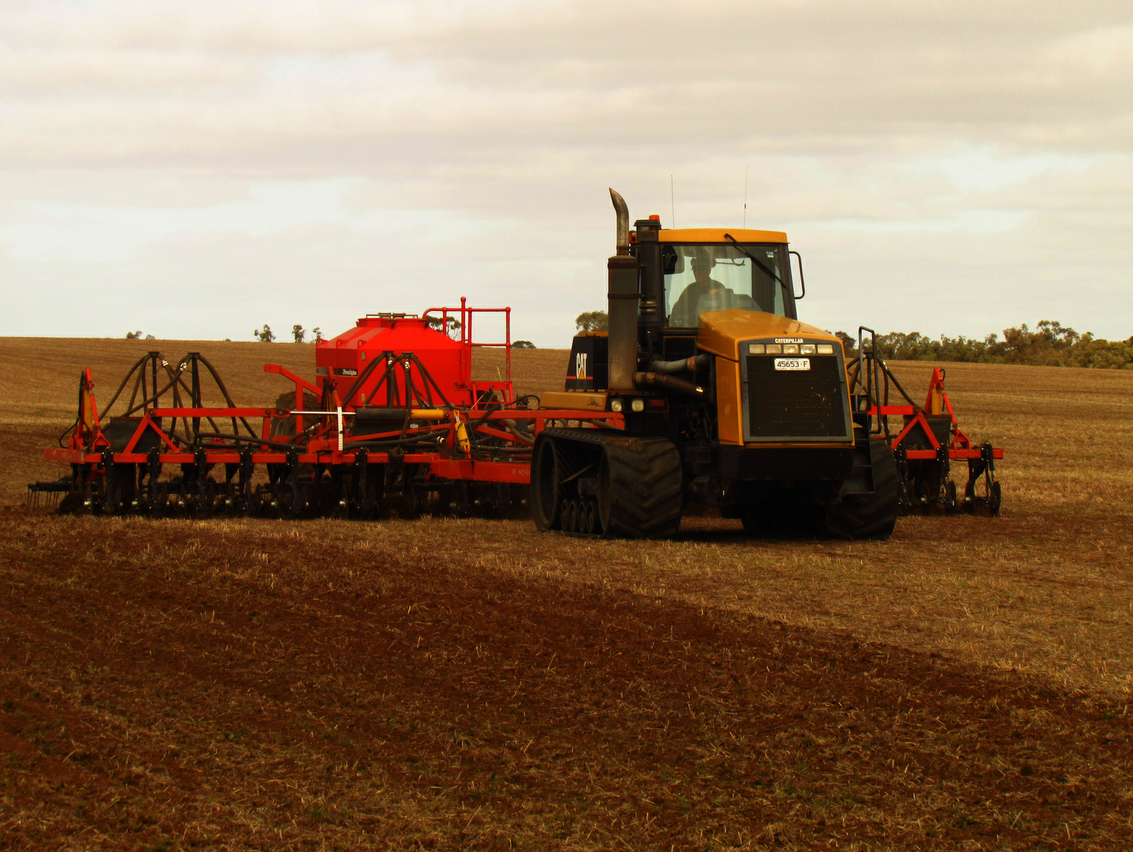
    5. When air seeders are used higher rates may be possible as air application spreads the fertiliser wider in the row due to air pressure over conventional planters
    6. Cotton and some legume crops are more sensitive and rates should be based on local advice

  • Sydney Lime

    Sydney Lime

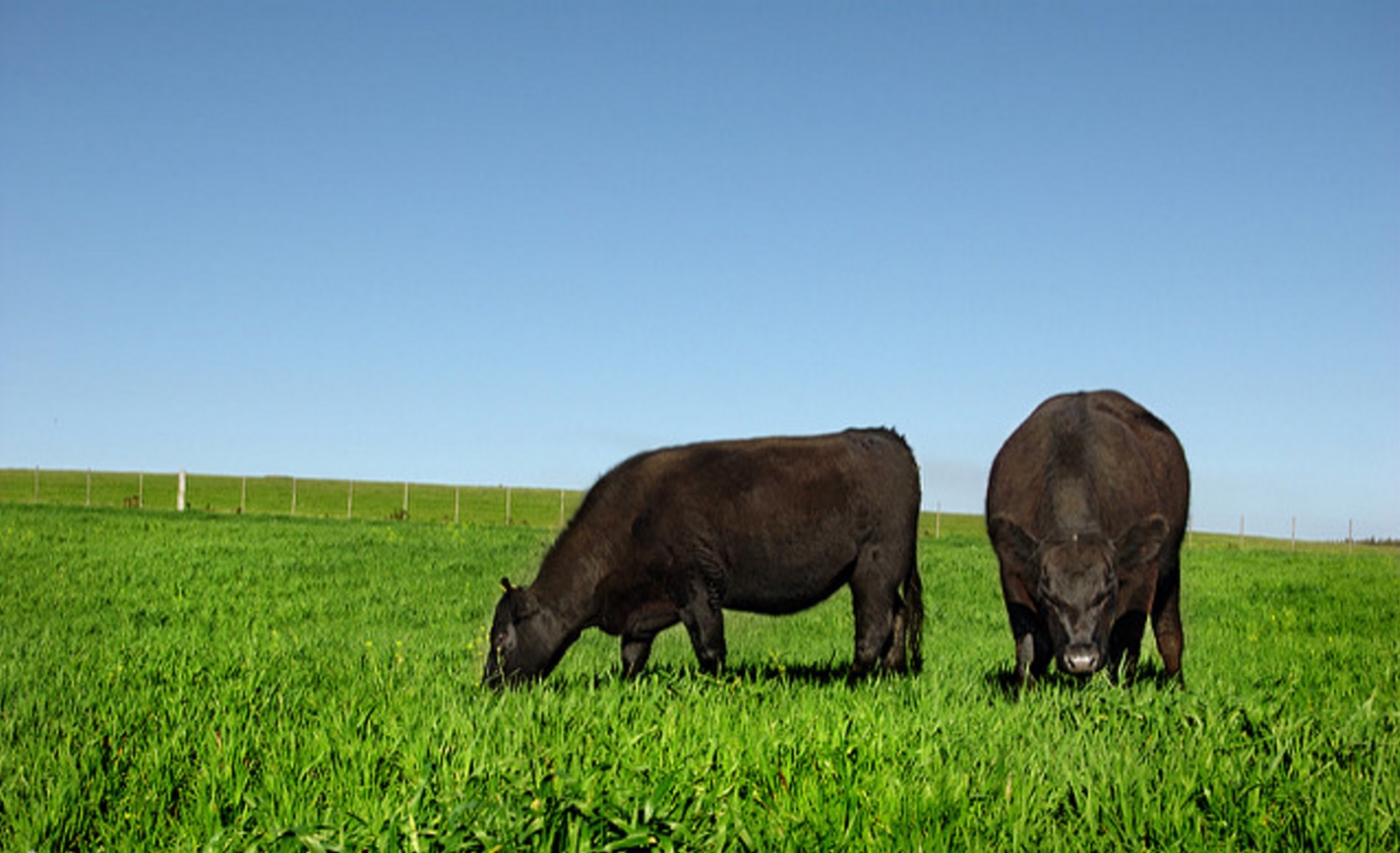
    Pacific Fertiliser can supply, deliver and spread Ag lime to the greater Sydney basin and southern highlands.

    The super fine lime products are suitable from cropping, pastoral and horticultural operations from Central coast down to Nowra. Lime is also great for treating acid sulphate soils (ASS) found close to the coast line.

    We can also offer pH mapping and variable rate lime applications to ensure you have a uniform pH across each paddock.
    Other lime products include hot lime, hydrated lime, prilled lime and slaked lime.

  • Bentonite the Versatile Mineral

    Bentonite the Versatile Mineral

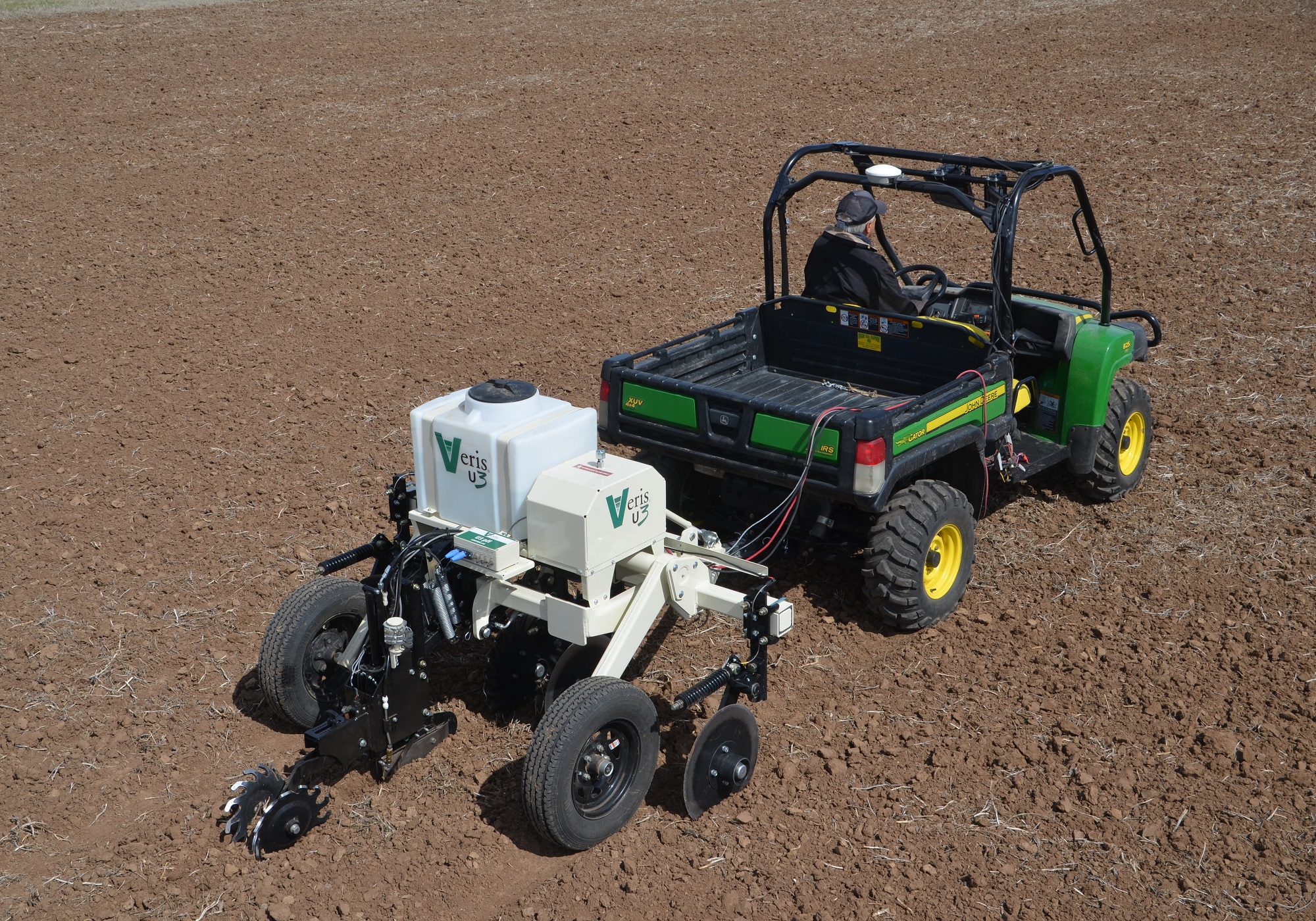
    Pacific Fertiliser supply natural high swelling sodium bentonite clay for utilisation in the civil, agricultural and stock feed industries. Available as fine powder or granular, we can supply a bentonite product to suit your needs in bulk, bulkbags or pallets of small bags.

    Bentonite is characterised by exchangeable cations such as Ca2+, Mg2+, Na+ or Li+ which affect its designation and properties. For example, bentonite is generally described as either swelling or nonswelling bentonite.
    Swelling bentonite (aka western bentonite in Aust) is sodium bentonite that swells in water and is generally used in its natural state.

    Non-swelling bentonite is calcium bentonite (aka southern bentonite in Aust) that is generally used after treatment with soda ash to produce sodium-exchanged bentonite, or treated with acid to produce bleaching clay. Li-rich bentonite is known as hectorite and is commercially mined only in the US. It is also used in earthing materials in electrical installations.

    Bentonite is truly a versatile mineral and is utilised for its high surface area, bonding, swelling, sorptive, sealing and rheological properties. These properties may be modified by treatment with acids, soda ash or other chemicals in addition to calcination, milling and sieving. Bentonite finds application in diverse markets including metalcasting, oil well drilling, iron ore pelletising (‘IOP’), edible oil purification, paper, ceramics, detergents, cat litter and civil engineering.

  • Iron Toxicity

    Iron Toxicity

    High Iron (Fe) levels in plants may cause a bronzing of leaves with the potential for tiny brown spots on the leaves.  However high iron levels in the soil can cause issues without any visible signs.

    The treatment of high soil iron, can be just as complicated as the treatment of iron deficiency. Firstly, the soil pH should be checked an amended if required ‑ aim for a neutral pH unless the plant you’re growing requires acidic (or alkaline) soil. Soil drainage should also be improved if possible and where there is waterlogging the soil should be aerated if it is compacted. If the area is irrigated be careful to only water when necessary.
    A balanced soil is the best method to elevate high iron levels in the soil.  If soil tests reveal that the soil is deficient in major elements, then these should be corrected after pH and drainage. Pay particular attention to Zinc (Zn) or Potassium (K) deficiencies, as these can be the cause of iron toxicity or could make it worse.

    Silica can buffer the soil by binding with iron and aluminium to nutrients like phosphorous to be more plant available. Pacific Fertiliser has some silica products suitable for agriculture.


  • Converting between ppm and kg/ha

    Converting between ppm and kg/ha

    [fusion_builder_container type=”flex” hundred_percent=”no” equal_height_columns=”no” menu_anchor=”” hide_on_mobile=”small-visibility,medium-visibility,large-visibility” class=”” id=”” background_color=”” background_image=”” background_position=”center center” background_repeat=”no-repeat” fade=”no” background_parallax=”none” parallax_speed=”0.3″ video_mp4=”” video_webm=”” video_ogv=”” video_url=”” video_aspect_ratio=”16:9″ video_loop=”yes” video_mute=”yes” overlay_color=”” video_preview_image=”” border_color=”” border_style=”solid” padding_top=”” padding_bottom=”” padding_left=”” padding_right=””][fusion_builder_row][fusion_builder_column type=”1_1″ layout=”1_1″ background_position=”left top” background_color=”” border_color=”” border_style=”solid” border_position=”all” spacing=”yes” background_image=”” background_repeat=”no-repeat” padding_top=”” padding_right=”” padding_bottom=”” padding_left=”” margin_top=”0px” margin_bottom=”0px” class=”” id=”” animation_type=”” animation_speed=”0.3″ animation_direction=”left” hide_on_mobile=”small-visibility,medium-visibility,large-visibility” center_content=”no” last=”true” min_height=”” hover_type=”none” link=”” border_sizes_top=”” border_sizes_bottom=”” border_sizes_left=”” border_sizes_right=”” first=”true”][fusion_text]

    To convert between “parts per million” (ppm) and “kilograms per hectare” (kg/ha) requires values for the soil bulk density (in kg/m3) and the depth of the soil layer sampled (in meters).

    You may choose to use a different values for bulk density like between 900-1500 kg/m3 to convert your values and an average depth of 10cm or 15cm to match your soil test results and treatment depths.
    Example 1:
    Converting ppm to kg/ha
    If sample depth was 0.15 m (15 cm or 6 inches), then Value in kg/ha = Value in ppm x 1.5
    Rationale: Value in kg/ha = Value in ppm x (1 kg/106 mg) x (1000 kg/m3, bulk density) x (0.15 m x 104 m2/ha)

    Example 2 :

    One hectare or 10,000 m2 x 0.1 m soil depth x 1.5 g/cm3 bulk density = 1,500 t/ha of soil.
    20 mg/kg × 1,500,000 kg = 30,000,000 mg-N/ha = 30 kg-N/ha

    Average soil bulk densities for mineral soils are as follows:

    – Well structured high organic loam soil 900 kg/m3
    – Silt loam 1100 kg/m3
    – Medium to fine texture loam 1300 kg/m3
    – Sand 1500 kg/m3
    – Compacted soil or clay subsoil 1300-1600 kg/m3


    You have visited the website for Pacific Fertiliser, for more information please contact us on 1300473497 or visit www.pacificfertiliser.com

    [/fusion_text][/fusion_builder_column][/fusion_builder_row][/fusion_builder_container]

  • 2017 Promo Video

    2017 Promo Video

    WATCH // Our latest promo video produced by Galloping Group. ABOUT // Pacific Fertiliser specialises in high quality fertilisers, natural minerals, and trace elements for agricultural applications. We also supply numerous products suitable for civil and industrial applications • Superior Products, Superior Results • #pacfert

    https://vimeo.com/228311695
     

  • New Products Brohcure

    New Products Brohcure

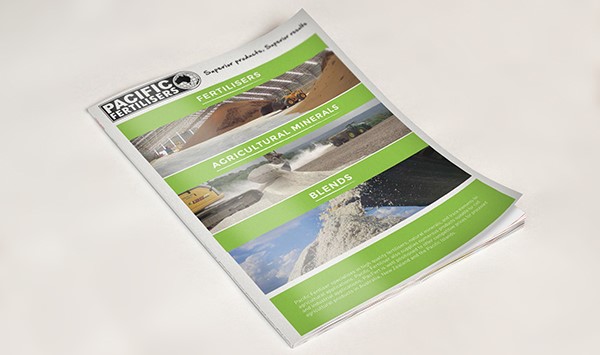
    Pacific Fertiliser has released a new products brochure.

    Please enquire if you can’t find a product you require as the brochure lists common products.

    Download here.
  • Cotton Pre Plant Fertiliser

    Cotton Pre Plant Fertiliser

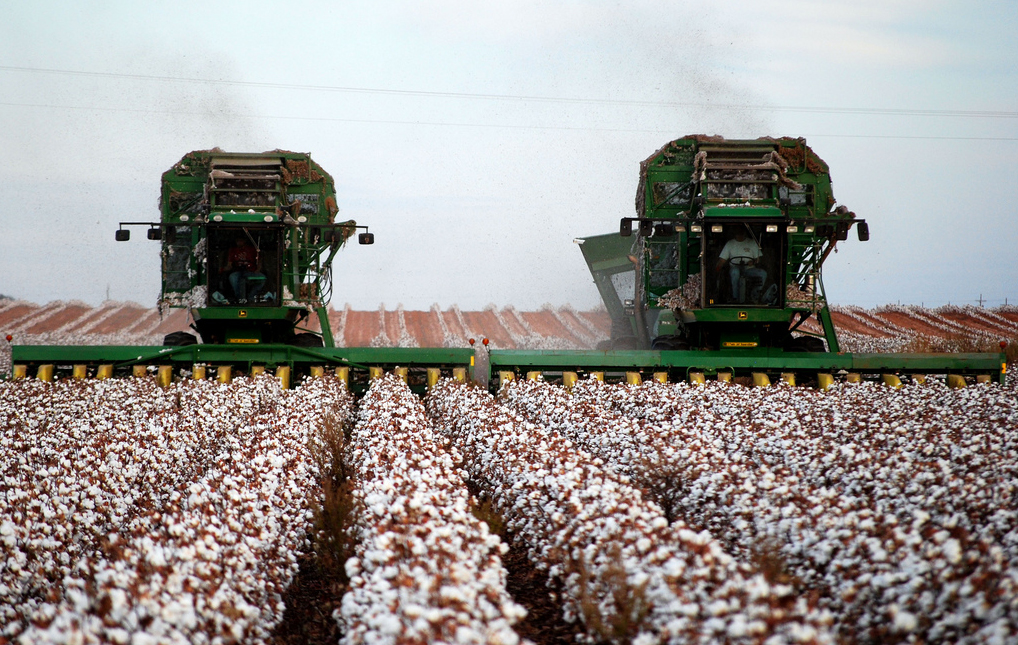
    Cotton Sustain (6-12-23-2) is a pre-plant fertiliser high in phosphorus and potassium that helps ensure potassium will be available to the coming crop.  Full analysis 6.1-12-22.5-2.2 + 0.05Zn

    Similar products are;

    TunzaCotton   6 – 12 – 23 – 1  + 0.55%  Zn

    Gain + Z 55K   6-12-23-2 + 0.55% Zn

     

  • Bundaberg 883

    Bundaberg 883

    Pacific Fertiliser has bought another 883 for Bundaberg. This screen will be used to process and refine gypsum, lime and fertiliser near the Burnett Heads Port for local agricultural operations.

  • Sugar Cane Rotation Crops

    Sugar Cane Rotation Crops

    Different complementary rotation crops for sugarcane growing regions in Queensland. Growing crops in regions other than those outlined below will require additional management or other resource inputs.

    Crop North Coast Central South
    Peanuts Not ideal Suitable Suitable
    Navy bean Not ideal Suitable Not ideal
    Mung bean Not ideal Suitable Not ideal
    Soybean (for grain) Not ideal Suitable Suitable
    Kenaf Suitable Suitable Suitable
    Industrial hemp Not ideal Suitable Suitable
    Pumpkin Suitable Suitable Suitable
    Watermelon Suitable Suitable Suitable
    Rockmelon Suitable Suitable Suitable
    Honeydew Suitable Suitable Suitable
    Zucchini Suitable Suitable Suitable
    Potato Not ideal Not ideal Suitable
    Banana Suitable Suitable Suitable
    Pawpaw Suitable Suitable Suitable
    Lychee Suitable Suitable Suitable
    Other tropical fruit Suitable Not ideal Not ideal
    Timber Suitable Suitable Suitable
    Bamboo Suitable Suitable Suitable
    Forage crops (maize, sorghum etc.) Suitable Suitable Suitable