Author: admin

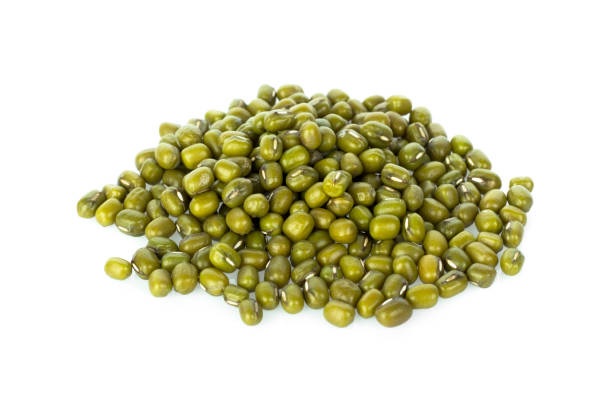
  • Mungbean Fertiliser Requirement

    Mungbean Fertiliser Requirement

    Nitrogen Requirement:
    Mungbeans generally require up to 60 to 70 kg/ha of nitrogen per tonne of grain yield in favourable seasons. The crop will use nitrogen from the soil, nitrogen supplied by fertilisers and nitrogen fixed by the crop. The more nitrogen the crop can access, the more it will use. So a 1.5 tonne/ha crop has a total nitrogen requirement of 100 kg N/h, but the crop generally shouldn’t need nitrogen fertiliser, provided plants have effectively nodulated. Low rates of nitrogen fertiliser may be justified in situations such as:
    • double-cropping immediately after winter cereals, where low rates of nitrogen (and sulphur) can get the plants off to a good, quick start. Maybe just consider 20–30 kg/ha SOA or a Starter 15, depending on soil P levels
    • in late planted crops where plants often fail to make sufficient growth to support a reasonable grain yield, consider using Starter Fertiliser + Zinc.

    Phosphate Requirement:
    Large plant responses to applied phosphate fertilisers are likely in situations where soil bicarbonate P levels are below 25 mg/kg.

    Sulphur Requirement:
    Sulfur deficiency is most likely to occur in double-crop situations where  sulfur levels in the soil have been depleted by the previous crop. Apply SOA at 20–30kg/ha will rectify a sulfur deficiency.

    Zinc Requirement:
    Mungbeans are very responsive to zinc. Crop responses are likely where soil test levels are:
    • below 0.8 mg/kg on alkaline black earths, grey clays and alluvial soils
    • below 0.4 mg/kg on acid soils.

  • SSP & Potassium Blends

    SSP & Potassium Blends

    MOP is commonly blended with SSP (single super) to supply potassium in pasture & hay applications. In certain situations due to soil, irrigation water and other constraints SOP is blended with SSP to add potassium and sulphur with the phosphorus application. Some examples of common blend ratios are listed below.


    SSP MOP Fertiliser Blends (N-P-K-S +Ca)

    – 50% SSP/ 50% MOP blend gives you  (0 – 4.4 – 25 – 5.5  + 11% Ca)      Pot 1 & 1

    – 67% SSP/ 33% MOP blend   (0 – 5.9 – 16.6  – 7.4  + 14% Ca)      Pot 2 & 1

    – 75% SSP/ 25% MOP blend     (0 – 6.6 –  12.5  – 8.3  + 16% Ca)     Pot 3 & 1

    – 80% SSP/ 20% MOP blend     (0 – 7 –  10  – 8.8  + 17% Ca)     Pot 4 & 1

    – 83% SSP/ 17% MOP blend     (0 – 7.3 –  8.5  – 9.1  + 18% Ca)     Pot 5 & 1


    SSP SOP Fertiliser Blends (N-P-K-S +Ca)

    – 56% SSP/ 44% SOP blend   (0 – 5 – 18 -14  + 11% Ca)      CB62980

    – 50% SSP/ 50% SOP blend   (0 – 4.4 – 20.8 -14  + 11% Ca)

    – 67% SSP/ 33% SOP blend   (0 – 5.9 – 13.8 – 13 + 11% Ca)

    – 75% SSP/ 25% SOP blend   (0 – 6.6 – 10.4 – 12.5 + 16% Ca

    – 80% SSP/ 20% SOP blend   (0 – 7 – 8.3 – 12.2 + 17% Ca)

    – 83% SSP/ 17% SOP blend   (0 – 7.3 – 7 – 12 + 18% Ca)

  • Manure Gypsum Blends

    Manure Gypsum Blends

    Why Does Chicken Manure Perform better with Gypsum blends

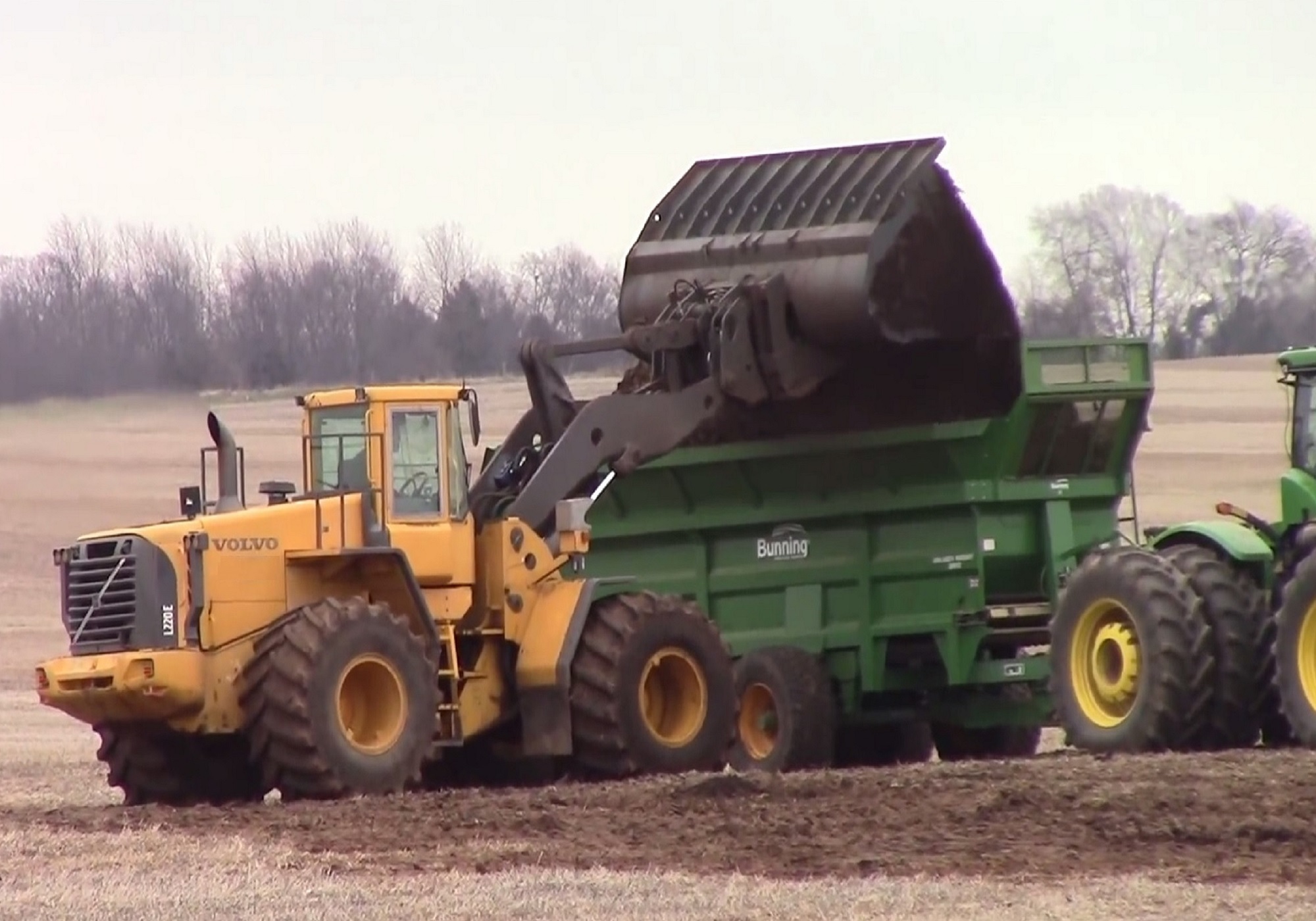
    When gypsum is blended into a compost windrow or mixed in a manure pile before or after spreading, the sulfate salt naturally attaches to the ammonia molecules, forming ammonium sulfate – effectively trapping it in another stable form and preventing ammonia volatilization.

    Test results have proven a reduction of ammonia loss can be achieved with the presence of gypsum or sulfate. Compared to other products gypsum has more sulfate available so it can trap more ammonium over superphosphate and triple superphosphate. The more product blended in the mix, the more ammonia was trapped.

    Some chicken manure results show that gypsum can absorb moisture from chicken manure, thereby increasing matric and osmotic stress, which led to a 38% – 71 % decrease in urea-degrading bacteria (UDB). In the chicken broiler-rearing houses, ammonia (NH3) volatilization from broiler litter can impair bird health during the rearing process, decrease the fertiliser value of final chicken litter, and is bad for the environment. As urea was hydrolyzed in gypsum-amended manure blends, additional CaCO3 present in the products can precipitate and buffer against large increases in pH that accompany urea hydrolysis.


  • Winter Fert Specials

    Winter Fert Specials

    [fusion_builder_container hundred_percent=”no” equal_height_columns=”no” menu_anchor=”” hide_on_mobile=”small-visibility,medium-visibility,large-visibility” class=”” id=”” background_color=”” background_image=”” background_position=”center center” background_repeat=”no-repeat” fade=”no” background_parallax=”none” parallax_speed=”0.3″ video_mp4=”” video_webm=”” video_ogv=”” video_url=”” video_aspect_ratio=”16:9″ video_loop=”yes” video_mute=”yes” overlay_color=”” video_preview_image=”” border_size=”” border_color=”” border_style=”solid” padding_top=”” padding_bottom=”” padding_left=”” padding_right=””][fusion_builder_row][fusion_builder_column type=”1_1″ layout=”1_1″ background_position=”left top” background_color=”” border_size=”” border_color=”” border_style=”solid” border_position=”all” spacing=”yes” background_image=”” background_repeat=”no-repeat” padding_top=”” padding_right=”” padding_bottom=”” padding_left=”” margin_top=”0px” margin_bottom=”0px” class=”” id=”” animation_type=”” animation_speed=”0.3″ animation_direction=”left” hide_on_mobile=”small-visibility,medium-visibility,large-visibility” center_content=”no” last=”no” min_height=”” hover_type=”none” link=””][fusion_text]

    Winter Fertiliser Specials from Pacific Fertiliser

    • Urea (46-0-0) – top dressing grade
    • NPKS Blend (18-7-2-10) – top dressing grade
    • Double Super Phosphate (0-15-0-9) with both sulphate and elemental sulphur

    [/fusion_text][/fusion_builder_column][/fusion_builder_row][/fusion_builder_container]

  • Brisbane Ag Lime Supplies

    Brisbane Ag Lime Supplies

    Pacific Fertiliser supplies various Lime products including Bulk Ag Lime in Brisbane and SE QLD.

    Lime products supplied from Brisbane / SE QLD area:

    • Super Fine Ag Lime – Agricultural lime
    • Ultra Fine Ag Lime – solution grade
    • Neutra Lime- perfect for acid sulphate soil treatment
    • GrowMag – Ag Lime/Magnesium blend
    • LimeMag
    • Prilled Ag Lime
    • Hydrated Lime
    • Quick Lime
    • Super Ag Lime
    • Carbide Lime

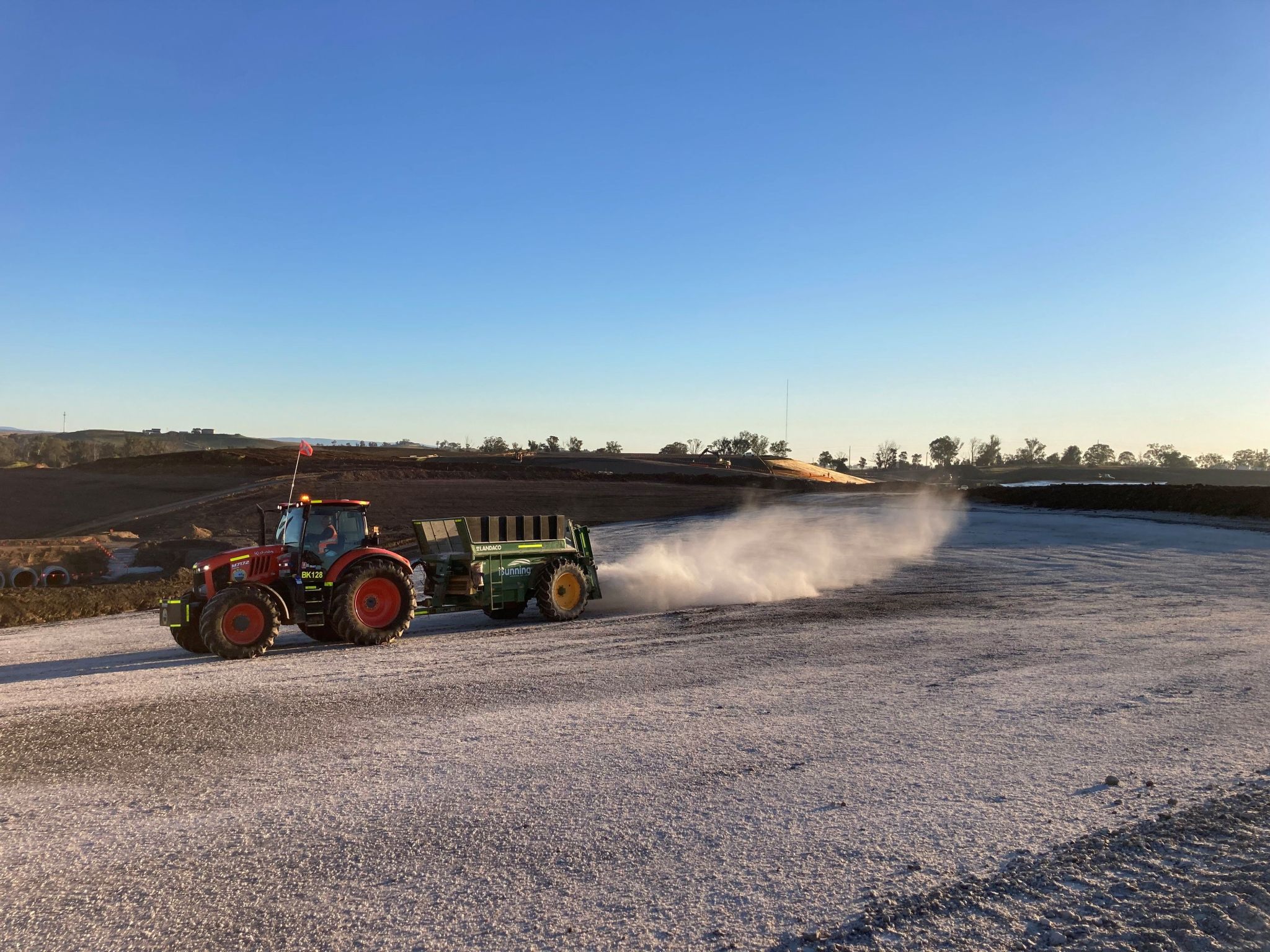
    Most Ag Lime products are available in bulk lime, lime bulkbags and pallets of lime in 25kg bags.

  • Phosphorite – Phosphate Rock

    Phosphorite is a phosphate-rich sedimentary rock, that contains between 18% and 40% P2O5. The apatite in phosphorite is present as cryptocrystalline masses referred to as collophane.

    Pacific Fertiliser sells processed and refined apatite as soft rock phosphate as straight product or in blends. SRPm general analysis  0-14-0-0 + 32% Ca.

    Ca5(PO4)3(F,Cl,OH)

  • Walcha Pasture Feed Blend

    Walcha Pasture Feed Blend

    Our tableland customers have had great success with the following NPS Fertiliser blend in the Walcha/Armidale area to boost pasture.

    The blend contains good levels of nitrogen, phosphorous and sulphur.

    Walcha Pasture Feed Blend (23-9-0-9)


  • Treating Sodium with Humates

    Treating Sodium with Humates

    For soils high in sodium like those in the areas with irrigation water containing high salt contents (TDS), growing quality produce and crops can be a challenge.

    There are a few common methods to treat soils with high sodium contents;

    • Rain events or irrigation with low TDS water to leach the salts out of the root zone and down through the soil profile (both can be hard to organise).
    • Gypsum Application – Gypsum improves soil structure by displacing sodium (and magnesium) on the surface of clay particles with calcium. Gypsum can be applied as broadcast, through foliar or fertigation applications.
    • Humate application – Salt is composed of a metal ion bonded with chlorine. Depending on soil moisture, salt will occur either in solution or as a crystal within the soil. If chelation techniques can capture the metal ions, releasing the chlorine, the salt molecule will be broken. It is generally recognised organic acids common to soil humus are excellent chelating agents. Humic acid can be applied as broadcast, through foliar or fertigation applications.

    Follow link for more information.

  • ORGANIC POTASSIUM FERTILISER – KMS

    ORGANIC POTASSIUM FERTILISER – KMS

    The organic potassium KMS fertiliser is a BFA registered organic product and is available as a 2-5mm granulated product in loose bulk and Bulkbags.

    The organic fertiliser comprises of 20% Potassium, 16% Sulphur and 7% Magnesium  (0-0-20-16 +7% Mg).

    This organic KMS fertiliser is extremely low in chlorides and offers rapid dissolution of available nutrients. The fertiliser dissolves slowly providing a longer term release of Potassium, Magnesium and Sulphur reducing leaching losses.

    Pacific Fertiliser also have a Potassium Sulphate (SOP) fertiliser product (0-0-41-18) that has been approved as an organic input in our organic fertiliser blends for organic farming operations.


    crop agronomist

  • Lucerne Fertiliser Blends

    Lucerne Fertiliser Blends

    Some Single Super – Sulphate of Potash blends for Lucerne crops:

    Single Super Potash Blend – SSP Pot 1&1 – (0-4-25-6 + 10% Ca)
    Single Super Potash Blend – SSP Pot 1&1 Mo.025% – (0-4-25-6 + 10% Ca + 0.25 Mo)
    Single Super Potash Blend – SSP Pot 2&1 – (0-6-17-7 + 13% Ca)
    Single Super Potash Blend – SSP Pot 2&1 Mo.025% – (0-6-17-7 + 13% Ca + 0.25% Mo)
    Single Super Potash Blend – SSP Pot 3&1 – (0-7-13-8 + 14% Ca)
    Single Super Potash Blend – SSP Pot 3&1 Mo.025% – (0-7-13-8 + 14% Ca + 0.25% Mo)
    Single Super Potash Blend – SSP Pot 4&1 – (0-7-10-9 + 15% Ca)
    Single Super Potash Blend – SSP Pot 5&1 – (0-7-8-9 + 16% Ca)

    General application rates are around 200-300kg/ha depending on growing conditions and soil requirements/type.