Author: admin

  • Aluminium Smelter Waste Treatment with Gypsum

    Aluminium Smelter Waste Treatment with Gypsum

    [fusion_builder_container type=”flex” hundred_percent=”no” equal_height_columns=”no” menu_anchor=”” hide_on_mobile=”small-visibility,medium-visibility,large-visibility” class=”” id=”” background_color=”” background_image=”” background_position=”center center” background_repeat=”no-repeat” fade=”no” background_parallax=”none” parallax_speed=”0.3″ video_mp4=”” video_webm=”” video_ogv=”” video_url=”” video_aspect_ratio=”16:9″ video_loop=”yes” video_mute=”yes” overlay_color=”” video_preview_image=”” border_color=”” border_style=”solid” padding_top=”” padding_bottom=”” padding_left=”” padding_right=””][fusion_builder_row][fusion_builder_column type=”1_1″ layout=”1_1″ background_position=”left top” background_color=”” border_color=”” border_style=”solid” border_position=”all” spacing=”yes” background_image=”” background_repeat=”no-repeat” padding_top=”” padding_right=”” padding_bottom=”” padding_left=”” margin_top=”0px” margin_bottom=”0px” class=”” id=”” animation_type=”” animation_speed=”0.3″ animation_direction=”left” hide_on_mobile=”small-visibility,medium-visibility,large-visibility” center_content=”no” last=”true” min_height=”” hover_type=”none” link=”” border_sizes_top=”” border_sizes_bottom=”” border_sizes_left=”” border_sizes_right=”” first=”true”][fusion_text columns=”” column_min_width=”” column_spacing=”” rule_style=”” rule_size=”” rule_color=”” hue=”” saturation=”” lightness=”” alpha=”” user_select=”” content_alignment_medium=”” content_alignment_small=”” content_alignment=”” hide_on_mobile=”small-visibility,medium-visibility,large-visibility” sticky_display=”normal,sticky” class=”” id=”” margin_top=”” margin_right=”” margin_bottom=”” margin_left=”” fusion_font_family_text_font=”” fusion_font_variant_text_font=”” font_size=”” line_height=”” letter_spacing=”” text_transform=”” text_color=”” animation_type=”” animation_direction=”left” animation_color=”” animation_speed=”0.3″ animation_delay=”0″ animation_offset=”” logics=””]

    Pacific Fertiliser has supplied gypsum to an Aluminium Smelter decommissioning project.

    The project used the high quality gypsum for treating leachable fluoride concentrations in waste to chemically fix any leached fluoride to form the stable precipitate calcium fluoride.

    The concept of “gypsum fixing” is commonly used within the aluminium smelting industry for the treatment of fluoride containing waste.

    Gypsum has been previously used for this purpose at the Tomago Aluminium Wallaroo Landfill. Gypsum was used as the preferred calcium source, when compared to calcium chloride and calcium carbonate as it was found to be more effective at reducing leachable fluoride concentrations with minimal pH change.

    [/fusion_text][/fusion_builder_column][/fusion_builder_row][/fusion_builder_container]

  • Prime MSZ Fertiliser

    Prime MSZ Fertiliser

    [fusion_builder_container type=”flex” hundred_percent=”no” equal_height_columns=”no” menu_anchor=”” hide_on_mobile=”small-visibility,medium-visibility,large-visibility” class=”” id=”” background_color=”” background_image=”” background_position=”center center” background_repeat=”no-repeat” fade=”no” background_parallax=”none” parallax_speed=”0.3″ video_mp4=”” video_webm=”” video_ogv=”” video_url=”” video_aspect_ratio=”16:9″ video_loop=”yes” video_mute=”yes” overlay_color=”” video_preview_image=”” border_color=”” border_style=”solid” padding_top=”” padding_bottom=”” padding_left=”” padding_right=””][fusion_builder_row][fusion_builder_column type=”1_1″ layout=”1_1″ background_position=”left top” background_color=”” border_color=”” border_style=”solid” border_position=”all” spacing=”yes” background_image=”” background_repeat=”no-repeat” padding_top=”” padding_right=”” padding_bottom=”” padding_left=”” margin_top=”0px” margin_bottom=”0px” class=”” id=”” animation_type=”” animation_speed=”0.3″ animation_direction=”left” hide_on_mobile=”small-visibility,medium-visibility,large-visibility” center_content=”no” last=”true” min_height=”” hover_type=”none” link=”” border_sizes_top=”” border_sizes_bottom=”” border_sizes_left=”” border_sizes_right=”” first=”true”][fusion_text]

    Prime – MSZ fertiliser is an ideal starter fertiliser.

    Prime-MSZ  can effectively provide newly sown crops and pastures with the right combination of nutrients for strong early root growth, healthy emergence and even crop growth.

    The compound product is based on MAP, Sulphur (as sulphate) and Zinc (as zinc sulphate) making it a perfect starter fertiliser for sowing. The compound starter fertiliser makes each granule uniform and stable, making for easy handling, storage and placement.

    Alternative starter fertiliser products are Granulock SZn, Goldphosphate, ZincStar S and Prime ZS.

    Available in the following variations:

    • Prime-MSZ 13  (13-18-0-8 + 0.5% Zn)
    • Prime-DSZ 16  (16-17-0-8 + 0.5% Zn)
    • Prime-MSZ 10 (10-18-0-8 + 0.5% Zn)
    • Prime-MS 13 (13-18-0-8)

    [/fusion_text][/fusion_builder_column][/fusion_builder_row][/fusion_builder_container]

  • Cotton Fertiliser Blends

    Cotton Fertiliser Blends

    Cotton Sustained  is a balanced fertiliser blend that reflects the nutrient removal ratios of high yielding cotton crops, particularly for phosphorus and potassium.

    The Cotton Sustained blend contains 6% nitrogen, 12% phosphorus, 23% potassium, 2% sulphur and 0.55% zinc.

    Cotton Sustained can be very useful at higher application rates in cotton country that has tested low in potassium, marginal in phosphorus and low in zinc. Other blend rations are available to match your soil and crop requirements.

    Early applications of potassium are useful for cotton, which can take up excess amounts of potassium during periods of lower plant demand and release it later as demand from developing bolls increases.

    Peak requirements of potassium can be as much as 4 kg/ha of potassium per day in a high yielding cotton crop , so foliar potassium applications may be required if the soil cannot supply enough to the plant from early squaring right out to the peak of boll filling.

  • Lime Application Rates

    Lime Application Rates

    [fusion_builder_container type=”flex” hundred_percent=”no” equal_height_columns=”no” hide_on_mobile=”small-visibility,medium-visibility,large-visibility” background_position=”center center” background_repeat=”no-repeat” fade=”no” background_parallax=”none” parallax_speed=”0.3″ video_aspect_ratio=”16:9″ video_loop=”yes” video_mute=”yes” border_style=”solid”][fusion_builder_row][fusion_builder_column type=”1_1″ type=”1_1″ background_position=”left top” border_style=”solid” border_position=”all” spacing=”yes” background_repeat=”no-repeat” margin_top=”0px” margin_bottom=”0px” animation_speed=”0.3″ animation_direction=”left” hide_on_mobile=”small-visibility,medium-visibility,large-visibility” center_content=”no” last=”no” hover_type=”none” min_height=”” link=””][fusion_text]

    Agricultural lime spreading application rates

    The amount of Ag lime required to adjust soil pH, this will depend on the current soil pH, soil type, annual rainfall, farming systems and lime quality.

    It is recommended to take soil tests or complete some form of soil mapping to understand your soil constraints and soil variability.

    Pure calcium carbonate (NV 100) applied 1 tonne/ha will increase topsoil pH by approximately 0.7 on sand, 0.5 on loam and 0.3 on clay soils.

    Make sure you compare the actual landed cost of each lime product you are comparing.

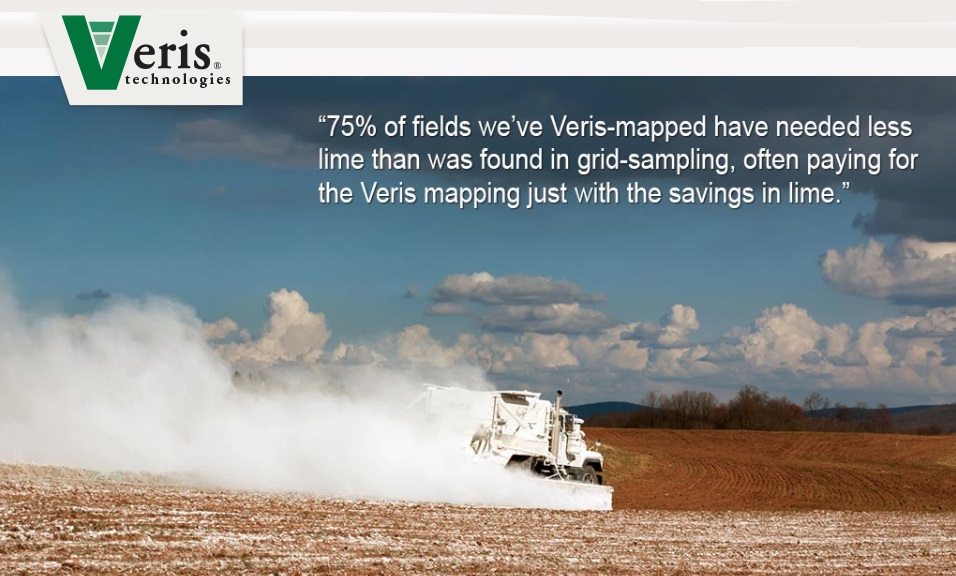
    Pacific Fertiliser can supply, deliver and spread Ag lime in QLD, NSW and VIC. We have the ability to test soil pH with the Veris soil mapping equipment and the results can be feed into our variable rate spreader fleet as a lime prescription map.

    Effective Cost ($/t) = Cost of Product ($/t) x 100 / Neutralising Value (NV)

    Generally the finer the product the faster it will react, but there is a trade off with the ability to handle and spread the product once you go below a top size of 500um.

    Please note while the reaction in the top soil might be faster with very fine lime, the amount of lime required to adjust pH is the same based on 100% NV. Don’t believe the prilled lime marketing that you can use 75% less lime with products like Calciprill or Ozcal. Prilled lime & granulated lime are perfect for pH maintenance, aerial applications or placement in the seed bed, but not large pH adjustments.

    Estimated pH Changes Using Ag lime on various soil types

    GRDC – Lime Additional Rates to Treat Various Soil Depths

    [/fusion_text][/fusion_builder_column][/fusion_builder_row][/fusion_builder_container]

  • Bond Uni Rugby

    Bond Uni Rugby

    Pacific Fertiliser’s continues its sponsorship of the Bond University Rugby club in 2019.

    We wish the Bull Shark teams all the best for the rugby season.

    Pacific Fertiliser also wishes the Queensland Country Rugby side all the best in the national 2019 NRC competition.


  • Cowra Rugby Club

    Cowra Rugby Club

    Pacific Fertiliser continues its sponsorship of the Cowra Rugby Club in 2019.

    We wish the Cowra Eagle teams all the best for the rugby season.

  • Stabilised Sand

    Stabilised Sand

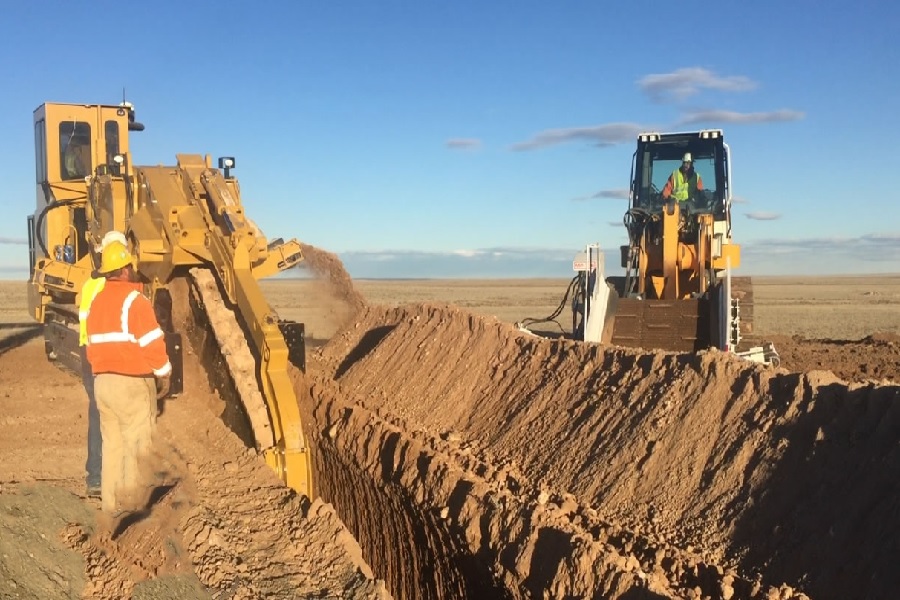
    Pacific Fertiliser can blend and supply stabilised sand for trench back filling.

    For electrical cables trenches, we can supply thermal sand to make a blend of thermal sand and cement – stabilised thermal sand to back fill the trench to appropriate AS specifications.

  • Soil Salinity Treatment

    Soil Salinity Treatment

    Soil salinity is an important issue impacting agricultural production in Australia, with large areas effected to some degree including the Lockyer Valley. Salinisation of subsoils can be caused by natural processes, with water and soils naturally containing salts, however rising water tables and irrigation quality/quantity as well as other agricultural land use practices can also contribute.

    Salinity becomes an issue when the proportion of soluble salts in water and soil increases to levels that impact on water quality, soil properties, plant growth/agricultural production and importantly the wider environment. As well as potentially reducing the yield of agricultural/horticultural crops, salinization can also limit the type of crops that can be grown.

    As the concentration of soluble salts in water and soil increase plant growth and development can be adversely affected, reducing productivity and crop yields. Electrical Conductivity (EC) is a measurement of water and soil salinity levels, with the EC of a water/soil sample influenced by the concentration (and also the composition) of dissolved salts in the sample.

    Treating soil salinity:
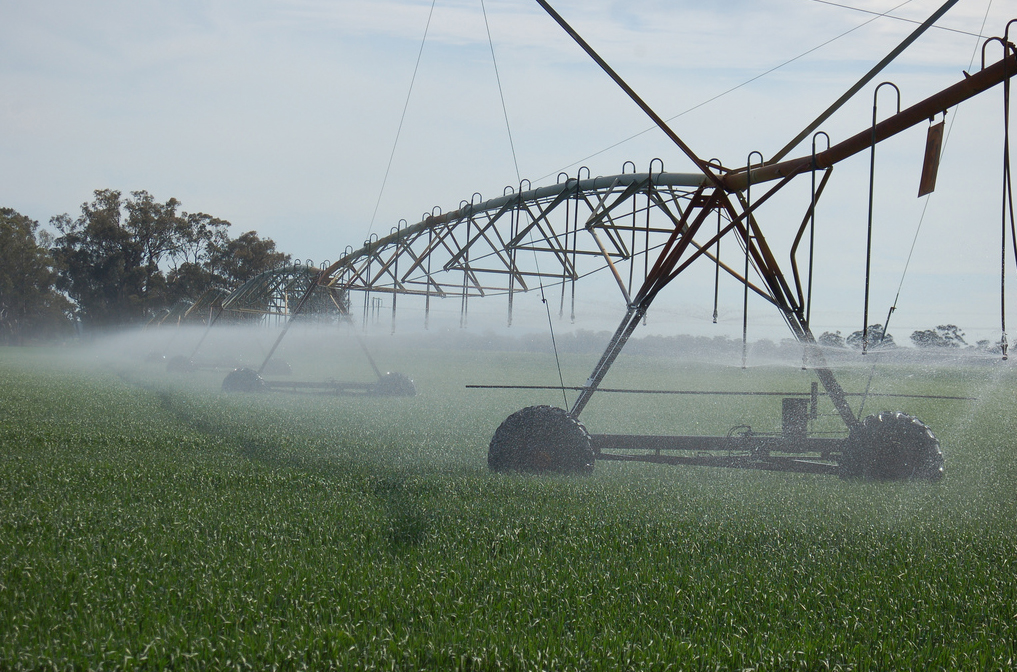
    Gypsum can be utilised as one component of the overall management approach in relation to soil salinity. Gypsum can assist through improving the soil structure, and the calcium in Gypsum also displaces some soluble salts, eg sodium from the soil cation exchange complex. Pacific Fertilisers have a range of high quality Gypsum products available for broadcast spreading as power/granules or ultra-fine solution grade products suitable for fertigation

    Visit our website for more information  www.pacificfertiliser.com

  • New Construction Products Brochure

    New Construction Products Brochure

    Please find a link to Pacific Fertiliser’s newly created construction products brochure.

    Pacific Fertiliser sells various products into the construction industry including:

    • Gypsum
    • Lime
    • Fertiliser
    • Compost & Manure
    • Contaminated Soil Treatments
    • Flocculants
    • Bentonite
    • Dust Suppressants
    • Seed
    • Fencing

    Follow link to the construction products brochure. 


  • SRP Sustain – Organic Fertiliser

    SRP Sustain – Organic Fertiliser

    SRP Sustain products are a high quality natural organic fertiliser blend of soft rock phosphate, biology, gypsum and sulphur.

    The Sustain blends offers cheaper alternatives to Single Super (SSP) providing good levels of plant available phosphorous, sulphur and calcium. The phosphorous is in a form where it doesn’t lock up in your soils and the biology and sulphur help to make the phosphate rock reactive.

    The biology used on the Sustain blends contains fish emulsion, sea trace, carbon fulvic humic an other ingredients including bacillus subtilis.

    We sell soft phosphate blends in power form and both air seeder grade or aerial grade granules. These Sustain blends of can meet organic or sustainable input requirements for cropping, pastoral and horticultural applications.

    We can also offer the SRP SustainR which offers a cost saving by using recycled gypsum instead of the natural gypsum in the rock phosphate blends.

    Available in powdered form or air-seeder grade granules or aerial grade granules with packaging options of Bulk and bags.

    SPECIFICATIONS FOR THE SRP SUSTAIN PRODUCTS

    PRODUCT Phosphorous Potassium Sulphur Calcium
    SRP Sustain 6 0 6 22
    SRP SustainES 8 0 9 19
    SRP SustainES + 0.025% Mo 8 0 9 19


    SPECIFICATIONS FOR THE SRPm SUSTAIN PRODUCTS

    PRODUCT Phosphorous Potassium Sulphur Calcium
    SRPm Sustain 8 0 6 28
    SRPm SustainES 14 0 6 28
    SRPm SustainES + 0.025% Mo 12 0 7 28


    SPECIFICATIONS FOR THE SRP SUSTAIN PLUS PRODUCTS

    PRODUCT Nitrogen Phosphorous Potassium Sulphur
    SRP Sustain PLUS SOA 6 7 0 7
    Guano SOA Blend 7 9 0 8
    Guano SG 0 13 0 11

    Other Sustain blend ratios and products are available on request.


    Biological ingredients – 
    Trichoderma Harzianum, Trichoderma Lignorum, Trichoderma Koningii, Bacillus Subtilis, Kelp, Fish Emulsions & Carbon Fulvic Humates, all of which are key ingredients of high quality fertilisers and assist with the uptake of the soft rock phosphate.