Author: admin

  • Granular Gypsum

    Granular Gypsum

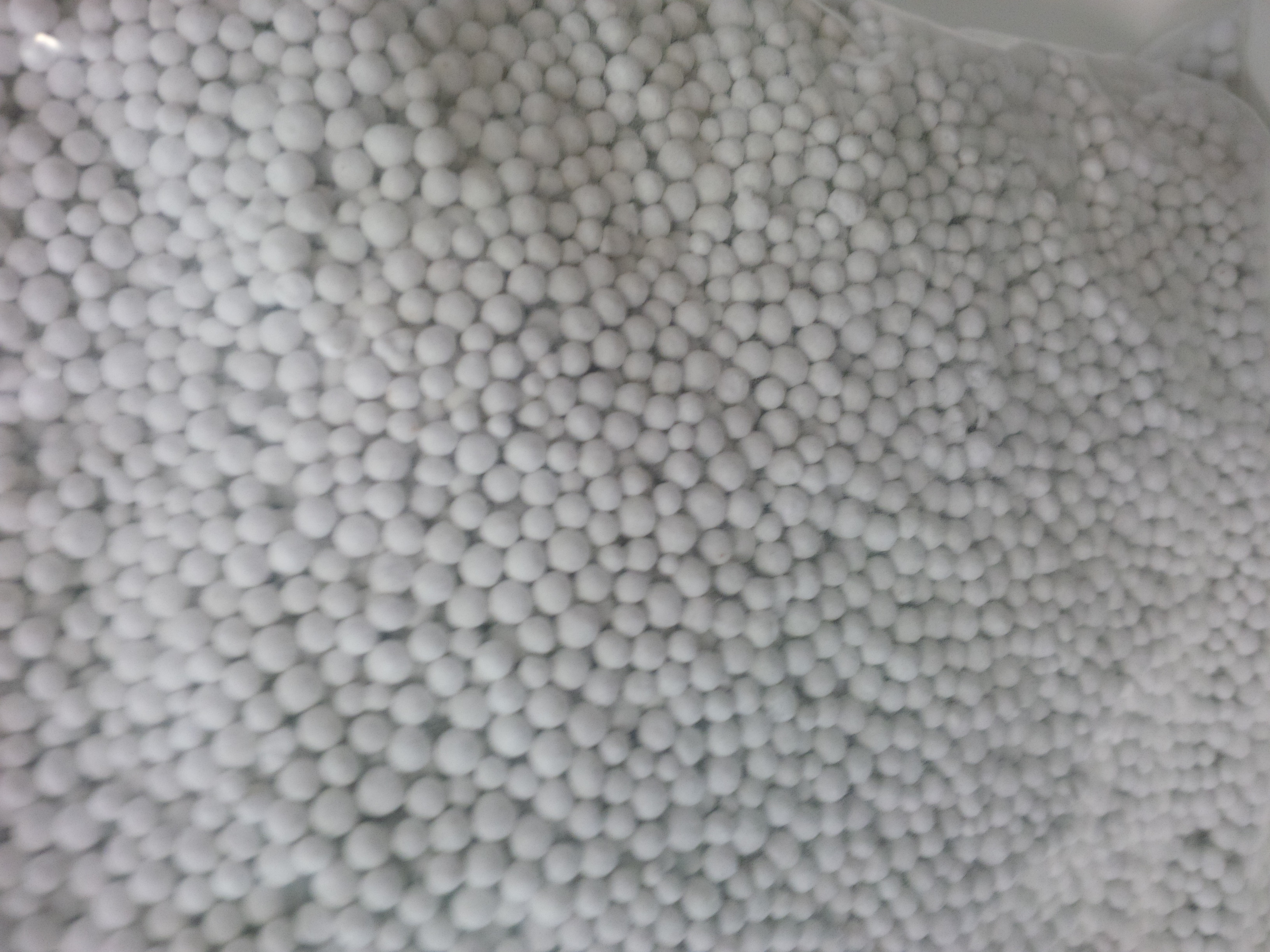
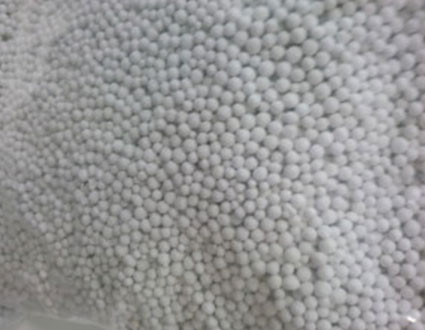
    Pacific Fertiliser produce a granular gypsum product suitable for air seeder and aircraft application.

    The 2-4mm granular gypsum is made locally from blending various domestic sources of natural gypsum together to make consistent and stable particles. We then re screen the product after granulation to ensure there are no fines present.

    For sport turf applications we also produce a 1-2mm gypsum product.

    sowing

  • Hot Lime

    Hot Lime

    Hot Lime (or quick lime) for agricultural applications.

    A mineral with chemical formula CaO, and is commonly called quick lime, burnt lime or hot lime. It is made by heating limestone (CaCO3) to drive off carbon dioxide.

    Quick lime is used in preference to normal Ag lime or slaked lime for agriculture applications in some horticultural crops especially for treating clubroot. Hot lime is a faster-acting lime and has the highest neutralising value (NV) compared to other forms.

    When hydrated with one mole of water, Hot lime forms slaked lime, Ca(OH)2. Hot lime generates heat when it becomes slaked with water and therefore speeds up the reaction to form calcium in the soil.

    Quick Lime is more concentrated and caustic than agricultural lime and unpleasant and dangerous to handle, so couple this with a higher cost and its use is not commonly used in general agriculture such as broadacre and pastoral applications.

    For reference Slaked lime (or hydrated lime) is calcium hydroxide Ca(OH)2 and has a higher neutralising value than agricultural lime but is more expensive and not usually used in broadacre and pastoral application.

    Pacific fertiliser can supply quicklime, hydrated lime and normal ag lime in bulk. bulkbags and pallets of 25kg bags.

    Types of Lime:
    Agricultural lime (calcium carbonate)
    Quick lime (calcium oxide) – also called caustic lime, hot lime, burnt lime and unslaked lime
    Hydrated lime (calcium hydroxide) – also called slacked lime. Bulk seconds called Meadowlime
    Dolomite – Pure dolomite is 54.3% CaCO3 and 45.7& MgCO3
    Dolomitic Limestone or Magnesian limestone contains magnesium carbonate much lower ratios compared to dolomite eg the MgCO3 content may range approximately from 4.4-23%.
    Magnesite (magnesium carbonate)
    Burnt magnesite MgO (magnesium oxide)
    Wet lime (their usefulness is determined by the NV and water content)
    Granular Lime – granular limestone, prilled limestone or pelletised limestone
    Lime and cement kiln dusts (their NV varies from 70–150 and Ca 25–54%. Mg is usually less than 1%)
    FLUID LIME- liquid lime. This product is made by mixing very finely ground limestone (suspecnsion lime or ultra fine lime) with either water or liquid nitrogen fertilizer along with a suspending agent (attapulgite clay) and applying with a liquid fertiliser applicator.
    SLAGS – Steel industry byproduct mainly is magnesium silicate or slag
    FLUID-BED ASH- Byproduct of electrical utility companies from mixing limestone into ground coal in a fluidising bed. Also called stack dust.
    Gypsum (calcium sulfate) – no or limited NV value
    Limestone effectiveness – An expression of aglime effectiveness is based on the combined effect of chemical purity (CCE) and fineness. The ECCE is determined by multiplying CCE by factors like particle size (fineness.) Also referred to as effective neutralising value (ENV), total neutralising power (TNP), effective neutralising material (ENM) and, in the US “lime score”.

  • Bundaberg Gypsum

    Bundaberg Gypsum

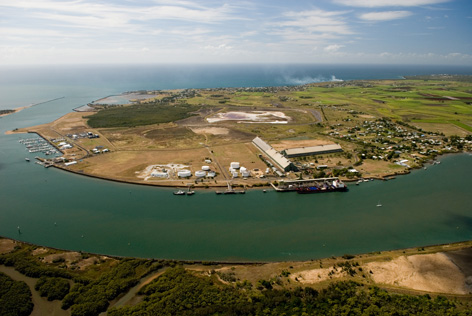
    Pacific Fertiliser has been in contact with the local authorities about bringing in bulk gypsum to the Port of Bundaberg for agricultural customers.

  • Eastcoast Bulk Ag Lime Supplies

    Eastcoast Bulk Ag Lime Supplies

    [fusion_builder_container type=”flex” hundred_percent=”no” equal_height_columns=”no” menu_anchor=”” hide_on_mobile=”small-visibility,medium-visibility,large-visibility” class=”” id=”” background_color=”” background_image=”” background_position=”center center” background_repeat=”no-repeat” fade=”no” background_parallax=”none” parallax_speed=”0.3″ video_mp4=”” video_webm=”” video_ogv=”” video_url=”” video_aspect_ratio=”16:9″ video_loop=”yes” video_mute=”yes” overlay_color=”” video_preview_image=”” border_color=”” border_style=”solid” padding_top=”” padding_bottom=”” padding_left=”” padding_right=””][fusion_builder_row][fusion_builder_column type=”1_1″ layout=”1_1″ background_position=”left top” background_color=”” border_color=”” border_style=”solid” border_position=”all” spacing=”yes” background_image=”” background_repeat=”no-repeat” padding_top=”” padding_right=”” padding_bottom=”” padding_left=”” margin_top=”0px” margin_bottom=”0px” class=”” id=”” animation_type=”” animation_speed=”0.3″ animation_direction=”left” hide_on_mobile=”small-visibility,medium-visibility,large-visibility” center_content=”no” last=”true” min_height=”” hover_type=”none” link=”” border_sizes_top=”” border_sizes_bottom=”” border_sizes_left=”” border_sizes_right=”” first=”true”][fusion_text]

    Looking for local lime, or lime to suit your freight movements, look no further than Pacific Fertiliser. Please contact us for pricing ex pit, delivered or supply & spread.

    Bulk Super Fine Ag lime ex Riverton QLD – sub 500um – NV 99 – $ per tonne

    Bulk Fine Ag lime ex Warwick QLD – sub 1000um – NV 97 – $  per tonne

    Bulk Super Fine Ag lime ex Warwick QLD – sub 250um – NV 97 – $ per tonne

    Bulk Fine Ag lime ex Murgon QLD – sub 100um – NV 98 – $ per tonne

    Bulk Super Fine Ag lime ex Murgon QLD – sub 250um – NV 98 – $ per tonne

    Bulk Super Fine Ag lime ex Kennedy QLD – sub 1200um – NV 90 – $ per tonne

    Bulk Coarse Ag lime ex Calliope QLD – sub 2000um – NV 99 – $ per tonne

    Bulk Fine Ag lime ex Calliope QLD – sub 1000um – NV 98 – $ per tonne

    Bulk Fine Ag lime ex Mt Garnet QLD – sub 1000um – NV 97 – $ +per tonne

    Bulk Super Fine Ag lime ex Galong NSW – sub 250um – NV 98 – $ per tonne

    Bulk Fine Ag lime ex Galong NSW – sub 1100um – NV 98 – $ per tonne

    Bulk Super Fine Ag lime ex Parkes NSW – sub 600um – NV 97- $  per tonne

    Bulk Fine Ag lime ex Bogan Gate NSW – sub 800um – NV 97- $  per tonne

    Bulk Super Fine Ag lime ex Bathurst NSW – sub 250um – NV 98 – $ per tonne

    Bulk Super Fine Ag lime ex Rocky Top NSW – sub 100um – NV 87 – $ per tonne

    Bulk Super Fine Ag lime ex Marulan NSW – sub 250um – NV 98 – $ per tonne

    Bulk Super Fine Ag lime ex Moss Vale NSW – sub 250um – NV 98 – $ per tonne

    Bulk Fine Ag lime ex Molong NSW – sub 1000um – NV 95 – $ per tonne

    Bulk Fine Ag lime ex Cudal NSW – sub 1000um – NV 85 – $ per tonne

    Bulk Super Fine Ag lime ex Mudgee NSW – sub 250um – NV 99 – $ per tonne

    Bulk Fine Ag lime ex Scone NSW – sub 1000um – NV 98 – $ per tonne

    Bulk Fine Ag lime ex Attunga NSW – sub 800um – NV 98 – $ per tonne

    Bulk Fine Ag lime ex Gloucester NSW – sub 600um – NV 88 – $ per tonne

    Bulk Fine Ag lime ex Buchan VIC – sub 1200um – NV 97 – $ per tonne

    Bulk Fine Ag lime ex Geelong VIC – sub 1200um – NV 80+ – $ per tonne

    Bulk Fine Ag lime ex Caroline SA – sub 4750um – NV 98 – $ per tonne

    [/fusion_text][/fusion_builder_column][/fusion_builder_row][/fusion_builder_container]

  • Brisbane Spreading

    Brisbane Spreading

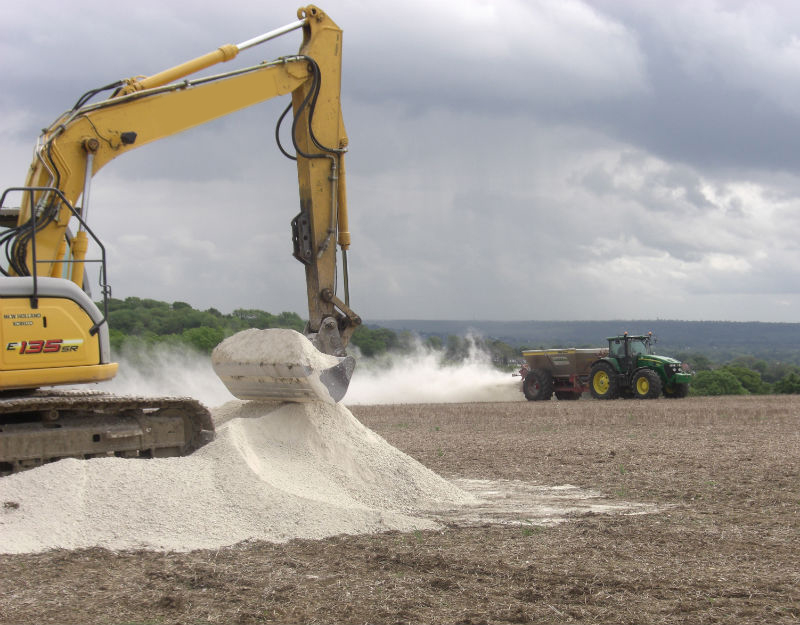
    Pacific Fertiliser can offer agricultural spreading options in the Brisbane, Gold Coast, Lockyer, Darling Downs and Burnett regions.

    We have sophisticated gear with GPS guidance, variable rate controllers and banding options for hort/row crops.

    lime spreading

    Spreader Accuracy:
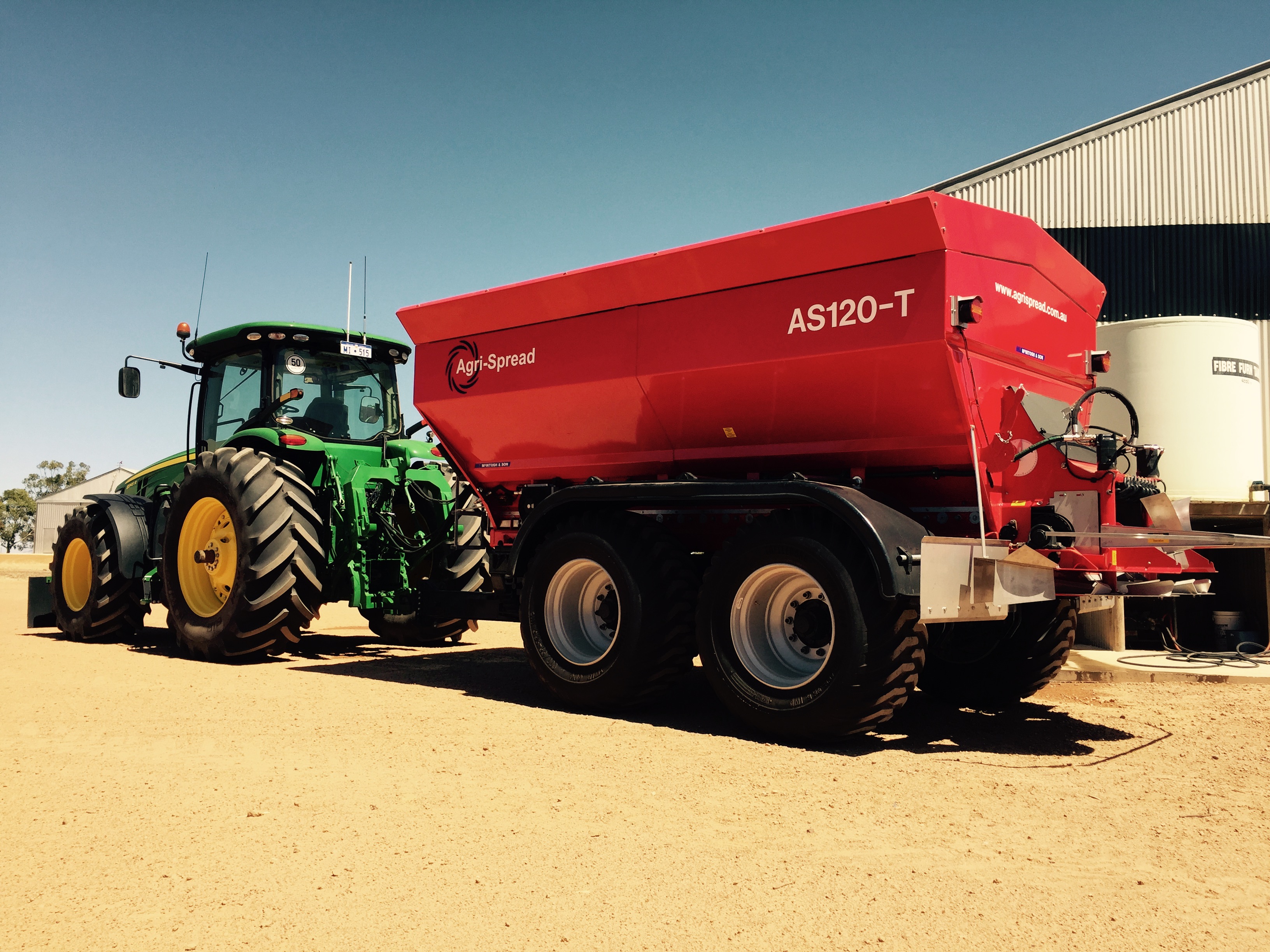
    Contract Spreader’s Agrispread AS120T and tractors fitted with the Trimble system provide strong data feedback during operation. It allows agronomists and farmers to send variable rate application maps to the machine.

    Variable rate lime and gypsum spreading can save farmer input costs and increase productivity for their land through applying the correct amount of product where it is required.

    The system offers real-time data reporting providing traceability of where the spreader is and check its application rates and other diagnostics such as total weight spread etc.

    It gives the grower absolute confidence in what the spreading contractor is doing and when it is doing it and gives us complete oversight of the job.

    With a large 16m3 hopper and 36m spread width on urea, the AS120T spread can cover a lot of country in a day.

  • Triple Super Alternatives

    Triple Super Alternatives

    Triple Superphosphate (TSP) product is no longer stocked in large volumes in Australia and TSP is mainly used in blends.

    The products that are being used in its place are TriplePlus/Tresspass fertiliser  (TSPS), Double Super Phosphate (DSP or PastureKing), Monoammonium phosphate (MAP) and Single superphosphate (SSP).

    Triple superphosphate, while not chemically pure, can be thought of as monocalcium phosphate (MCP), which has the formula Ca(H2PO4)2.H2O.

    Single superphosphate is comprised of approximately two-thirds gypsum (CaSO4.2H2O) and one-third  MCP.

    The chemical formula for MAP is NH4H2PO4

    MCP and MAP both dissociate to release H2PO4+ ions, so in this respect there is no difference in the products.

    MAP and MCP vary in their solubility in water:

    • MAP        37 kg/100 L
    • MCP        2 kg/100L.

    The gypsum in single superphosphate (SSP) makes this product less soluble and more difficult to dissolve. Gypsum has a solubility of 0.26 kg/100 L, about one-eight of that for MCP.  Gypsum also has no effect on soil pH.

    The solubility of gypsum is comparable to that of Burnt and Hydrated Lime, and is much higher than that of ground limestone:

    • Calcium Carbonate                 (Lime)                                             CaCO3            0.0013 kg/100 L
    • Calcium Oxide                          (Burnt or Quick Lime)                CaO                0.13 kg/100L
    • Calcium Hydroxide                 (Slaked or Hydrated Lime)        Ca(OH)2           0.17 kg/100 L

    Super Spreading


    Superphosphate SSP (8.8% P)
    This is produced by treating rock phosphate with sulfuric acid, and is the most commonly used phosphorus fertiliser.

    Double superphosphate DSP (17.5% P with 5% S)
    Phosphoric acid is used instead of sulfuric acid in manufacture.

    Triple Super Sulphur  TSPS (18% P) with 10% S)
    Compound granule of triple super and elemental sulphur.

    Triple superphosphate TSP  (20% P)
    Phosphoric acid is used instead of sulfuric acid in manufacture.

    Monoammonium phosphate (MAP 21% P); Diammonium phosphate (DAP 20% P)
    These two fertilisers are produced by treating phosphoric acid with ammonia.

    Rock phosphate (10% P)
    Crushed & mill soft rock phosphate is sometimes used as a fertiliser but is very insoluble. Reactive phosphate rock (RPR) can be more soluble than crushed rock phosphate where there is acid soil/sulphur.

  • What is Gypsum

    What is Gypsum

    Gypsum (CaSO4· 2H2O) is a soft white, grey, brownish or slightly pink mineral consisting of hydrated calcium sulphate also know as calcium sulphate di-hydrate. It occurs mainly in sedimentary deposits and is used to for soil amelioration and in building construction materials.

    Gypsum is moderately water-soluble (~2.0–2.5 g/l at 25 °C) and, in contrast to most other salts, it exhibits retrograde solubility, becoming less soluble at higher temperatures.

    Gypsum is generally found in mineral and rock form, but there is also recycled, synthetic and byproduct forms of gypsum.  Mined gypsum is a very soft mineral and it can form very large colored crystals.  Natural gypsum is found in many parts of the world. Gypsum deposits lie in flat beds of about six to eight feet in thickness, and are often inter-layered with limestone or shale. Gypsum deposits were formed millions of years ago when salt water oceans covered most of the earth, and as they receded, may inland “dead” seas were formed which, as evaporation continued, became more and more salty. As those salts precipitated, they formed various compounds in turn, one of which was gypsum. As millions of years passed, these salt deposits combined with decayed vegetation and other minerals, and eventually the result was stratified rock, with layers of gypsum and layers of limestone alternating, the whole covered over with many feet of glacial deposits. The result is the accumulation of large beds of sedimentary gypsum near old salt lakes and inland river beds.


    The main types of gypsum in the market place for agricultural, civil and industrial application are:

    Natural gypsum: is mined from the ground as a mineral and sold for industrial, medical and agricultural uses. Generally the mined gypsum will be selenite gypsum which is an opaque sandy crystal gypsum. There are various grades of mined gypsum and it is essential you determine you are getting the best bang for your buck. The easiest method of comparison is gypsum purity or each gypsum source available to you.

    Recycled Gypsum: is derived from plasterboard waste and is a high quality source of gypsum. The product has a granular feel making it easier to spread. The granules porous structure increases the surface area making the recycled gypsum more soluble. Read more.

    Synthetic gypsum (Not Sold by PacFert): industrial gypsum, FGD (Flu Gas Desulphurised Gypsum) and DSG (Desulphurised Gypsum) are all names for gypsum which are created by through chemical processes and not mined virgin product. Synthetic gypsum is most typically created in scrubbers, using lime (Ca), in coal fired power plants to clean the sulphur (SO) from the smoke stacks. The lime and sulfate combine and make synthetic gypsum (CaSO4· 2H2O) which is a high quality and very pure gypsum material. Chemically this gypsum is identical to natural gypsum.

    Phosphogypsum (Not Sold by PacFert): refers to the gypsum formed as a by-product of processing phosphate ore into fertilizer with sulfuric acid, such as Phosphate Hill in Central West QLD. REGYP DOES NOT SELL Phosphogypsum in Australia. Phospho gypsum is produced from the fabrication of phosphoric acid by reacting phosphate rock with sulfuric acid. Phosphogypsum does contain moderate levels of heavy metals including cadmium and REGYP recycled gypsum products DO NOT, so the two should not be confused. Phosphogypsum is radioactive due to the presence of naturally occurring uranium and radium in the phosphate ore. Marine-deposited phosphate typically has a higher level of radioactivity than igneous phosphate deposits, because uranium is present in seawater.

    Comparing Gypsum Products: Please follow the link for a complete gypsum comparison report.

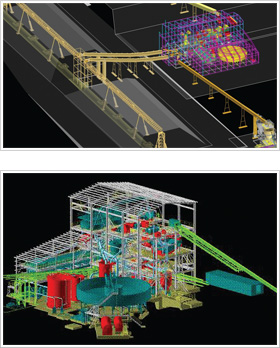
  • Gypsum for coal wash plants

    Gypsum for coal wash plants

    Fine grade natural gypsum products such as Mine2 gypsum can be used for flocculating in coal washeries.

    The gypsum is used to flocculate clay from water in CHPP systems.

    Mine2 gypsum is sub 2mm screened gypsum product with a purity 94+% and Ca 23.5+%

    The efficiency of gypsum to flocculate tubid water is based on particle size and purity. We also sell an ultra fine grade gypsum specifically designed to flocculate water with a particle size less than 110um.

    chpp-gypsum

  • New Processing Equipment

    New Processing Equipment

    Pacific Fertiliser has purchased a new 150kW hammermill which we will install in our system, for processing gypsum, lime, soft rock phosphate and dolomite at our Brisbane plant.

    The hammermill will be in series with jaw and cone crushers to produce a fine ground product for agricultural applications.

    Hammermill Hammermill

  • Trace Elements

    Trace Elements

    Some of the trace elements available from Pacific Fertiliser.

    Boron

    Calcium Bentonite

    Calcium Iodate

    Chromium Picolinate

    Cobalt Carbonate

    Cobalt Hydroxide

    Copper Sulphate Penta

    Cobalt Sulphate Heptahydrate

    Dicalcium Phosphate

    Ferric Ammonium Citrate

    Ferric Sulphate Hepta (Iron Sulphtate)

    Ferric Sulphate Mono (Iron Sulphtate)

    Magnesium Carbonate

    Magnesium Chloride

    Magnesium Oxide

    Manganous Oxide

    Manganese Sulphate (Kieserite)

    Magnesium Phosphate Mono Calcium

    Phosphate Granular

    Mono Dicalcium Phosphate

    Monosodium Phosphate

    Potassium Carbonate

    Potassium Citrate

    Monohydrate Fcc/Usp

    Potassium Iodate

    Potassium Iodide

    Calcium Sterate

    Sodium Bentonite

    Sodium Bicarbonate

    Sodium Molybdate (molybdenumselenioum)

    Sodium Selenite (selenium)

    Sodium Selenate (selenium)

    Sodium Tripolyphosphate

    Elemental Sulphur

    Sulphur Benonite

    Tricalcium Phosphate

    Trisodium Phosphate

    Zinc Chloride Anhydrous

    Zinc Oxide

    Zinc Sulphate