Author: admin

  • Spring Time Fertilisers

    Spring Time Fertilisers

    SPRING FORECAST
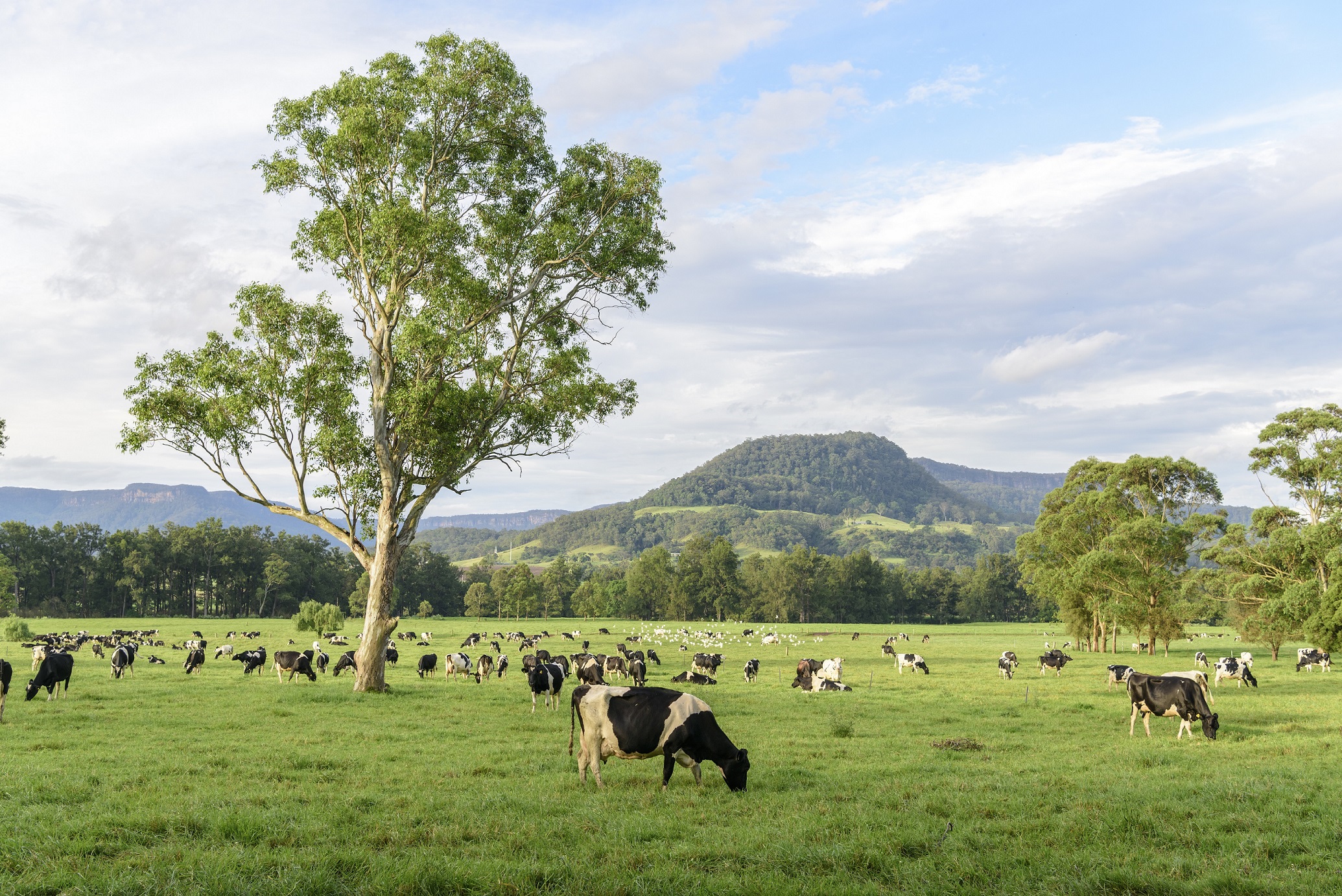
    It’s shaping up to be a great spring! With forecasts of above average rainfall predicted for the Eastern states, it is important to make the most of tailored fertiliser applications that boost pasture and fodder reserves. Lock in your spring fertiliser now to ensure you achieve the best yield and crop quality.

    NITROGEN BENEFITS
    Applying nitrogen fertiliser to pastures in late winter/early spring can increase dry matter production of grasses, allowing for earlier grazing. Nitrogen is the major nutrient required for growth by many crops including grass. It is the key to achieving high dry matter yields and improved feed quality.

    We recommend to apply phosphate with nitrogen in spring for both grazing and silage applications. Industry trials have shown that spring applied phosphorus improves the response from nitrogen, even on soils with high P levels.

    On grazing farms, a portion of your annual P requirement should be applied in early spring and the major share should be applied by April. Fresh phosphorous fertiliser applications can boost availability at a time when its natural availability is reduced by lower soil temperatures in early spring and also by April and May, when grass growth is peaking and there is a very high demand for P.

    POTASSIUM YIELD GAINS
    Potassium is also taken up during rapid growth phases in spring and early summer, so an adequate supply of K is essential for maximising yields from applied nitrogen.

    Generally in Australia, the same paddocks are chosen for hay and silage production and it’s a situation, that if not well managed, will quickly deplete nutrients from the soil such as N-P-K-S and Mg.

    Like all nutrients the decision on product, application rate and timing should be based on soil test, soil type, crop and agronomic recommendations.

  • Slow Release Nitrogen

    Slow Release Nitrogen

    [fusion_builder_container type=”flex” hundred_percent=”no” equal_height_columns=”no” menu_anchor=”” hide_on_mobile=”small-visibility,medium-visibility,large-visibility” class=”” id=”” background_color=”” background_image=”” background_position=”center center” background_repeat=”no-repeat” fade=”no” background_parallax=”none” parallax_speed=”0.3″ video_mp4=”” video_webm=”” video_ogv=”” video_url=”” video_aspect_ratio=”16:9″ video_loop=”yes” video_mute=”yes” overlay_color=”” video_preview_image=”” border_color=”” border_style=”solid” padding_top=”” padding_bottom=”” padding_left=”” padding_right=””][fusion_builder_row][fusion_builder_column type=”1_1″ layout=”1_1″ background_position=”left top” background_color=”” border_color=”” border_style=”solid” border_position=”all” spacing=”yes” background_image=”” background_repeat=”no-repeat” padding_top=”” padding_right=”” padding_bottom=”” padding_left=”” margin_top=”0px” margin_bottom=”0px” class=”” id=”” animation_type=”” animation_speed=”0.3″ animation_direction=”left” hide_on_mobile=”small-visibility,medium-visibility,large-visibility” center_content=”no” last=”true” min_height=”” hover_type=”none” link=”” border_sizes_top=”” border_sizes_bottom=”” border_sizes_left=”” border_sizes_right=”” first=”true”][fusion_text]

    When conventional soluble fertilisers are applied to the soil, the plant only consumes a fraction of the nutrients. Leaching, denifrification, volatilisation, and other processes can cause substantial losses.

    Polymer & carbon coated urea is now getting cheaper. The majority of coated urea products are around 5-20% the more than the cost of straight urea fertiliser.

    When urea or urea-based blends are broadcast on the soil surface, they can be susceptible to volatilisation, or ammonia (NH3 ) loss. Volatilisation potential is determined by the ratio of ammonia to ammonium (NH4) in the product and soil pH. A high-ammonia product placed into a high pH soil will have the greatest volatilisation potential.

    Nitrogen losses of 5-30% are common when topdressing urea on Crops or Pastures and these losses can start within 24-48hrs. Research has shown in South Eastern Australia volatilisation has been as high as 26% of total N over 20 days on alkaline clay in spring with only light rain post application.

    Watch the N-Shield video on YouTube to see a simple volatilisation comparison between treated and un-treated urea.

    Factors contributing to losses may include

    • Light rain post application
    • Neutral to high soil pH
    • Urea exposed to windy or warm conditions
    • Application to a moist soil surface that dries out post application out (includes top-dress after rainfall)
    • Low buffering capacity soil
    • Soils with low CEC
    • Open crop canopy
    • Crop residue such as pasture, high trash or stubble present that can leave the granule stranded away from the soil surface

    The safest application if all the planets align to top dress granular urea is onto dry clay soils which tend to have a higher buffering capacity, in low humidity conditions with no wind and sufficient rainfall to move the urea into the soil within a few days of the application. Due to these factors being hard to line up, there is a large range of treated urea products available to reduce potential loses post application.

    Slow Release Nitrogen Products Available through Pacific Fertiliser:

    • Entec Urea (an ammonium stabiliser for nitrogen fertiliser to reduce nitrogen losses through leaching and denitrification)
    • Centro Urea (an ammonium stabiliser for nitrogen fertiliser to reduce nitrogen losses through leaching and denitrification)
    • Green Urea  (contains a urease inhibitor NBPT that will help protect against volatilisation losses for upto 14 days)
    • N-Guard Urea  (contains a urease inhibitor NBPT that will help protect against volatilisation losses for upto 14 days)
    • Agrotain Urea (contains a urease inhibitor NBPT that will help protect against volatilisation losses)
    • N-Protect Urea (contains a urease inhibitor NBPT that will help protect against volatilisation losses)
    • Nexen Urea (Agrotain stabilised urea slows the conversion of urea to ammonium, which reduces losses of nitrogen to volatilisation)
    • Agromaster Urea (a controlled release polymer coated Urea, providing upto 90 day controlled release of nitrogen)
    • Carbon Coat Urea (aka Black Urea or CC urea is granular urea coated with around 21% carbon to reduce volatilization and leaching)

    * (you can’t blend urea with entec urea for a short and longer release)

    Controlled  Release Nitrogen Products Available through Pacific Fertiliser:

    • Polymer Coated Urea – N80 (80 day release)
    • Polymer Coated Urea – N90 (3 month release)
    • Polymer Coated Urea – N120 (4 month release)
    • Polymer Coated Urea – N180 (6 month release)
    • Polymer Coated Urea – N270 (9 month release)

    Fertiliser nitrogen may be lost from the soil in several different ways, including; ammonia volatilisation, nitrate leaching and nitrate denitrification. Factors affecting these losses include fertiliser compound, fertiliser form, type of application, timing of application, soil properties, rainfall amount and intensity, and temperature and wind after application.

    Ammonia volatilisation – is a chemical process that occurs at the soil surface when ammonium from urea or ammonium-containing fertilisers (e.g. urea) is converted to ammonia gas at high pH. Losses are minimal when fertiliser is incorporated, but can be high when fertiliser is surface-applied.

    Nitrate denitrification – is a biological process that occurs within the soil profile wherever there is sufficient available nitrate, labile carbon substrate, and low oxygen conditions such as in slowly draining soils. Losses are minimal in most dryland cropping soils, but may be high in waterlogged conditions.

    Nitrate leaching – is a physical process that occurs with the drainage of water through the profile. While nitrate movement within the profile is common in cracking clay soils, large-scale loss of nitrate below the root zone is minimal in most conditions.

    Urea Loses – Courtesy of GRDC and IPF

    [/fusion_text][/fusion_builder_column][/fusion_builder_row][/fusion_builder_container]

  • Organic Aerial Blend

    Organic Aerial Blend

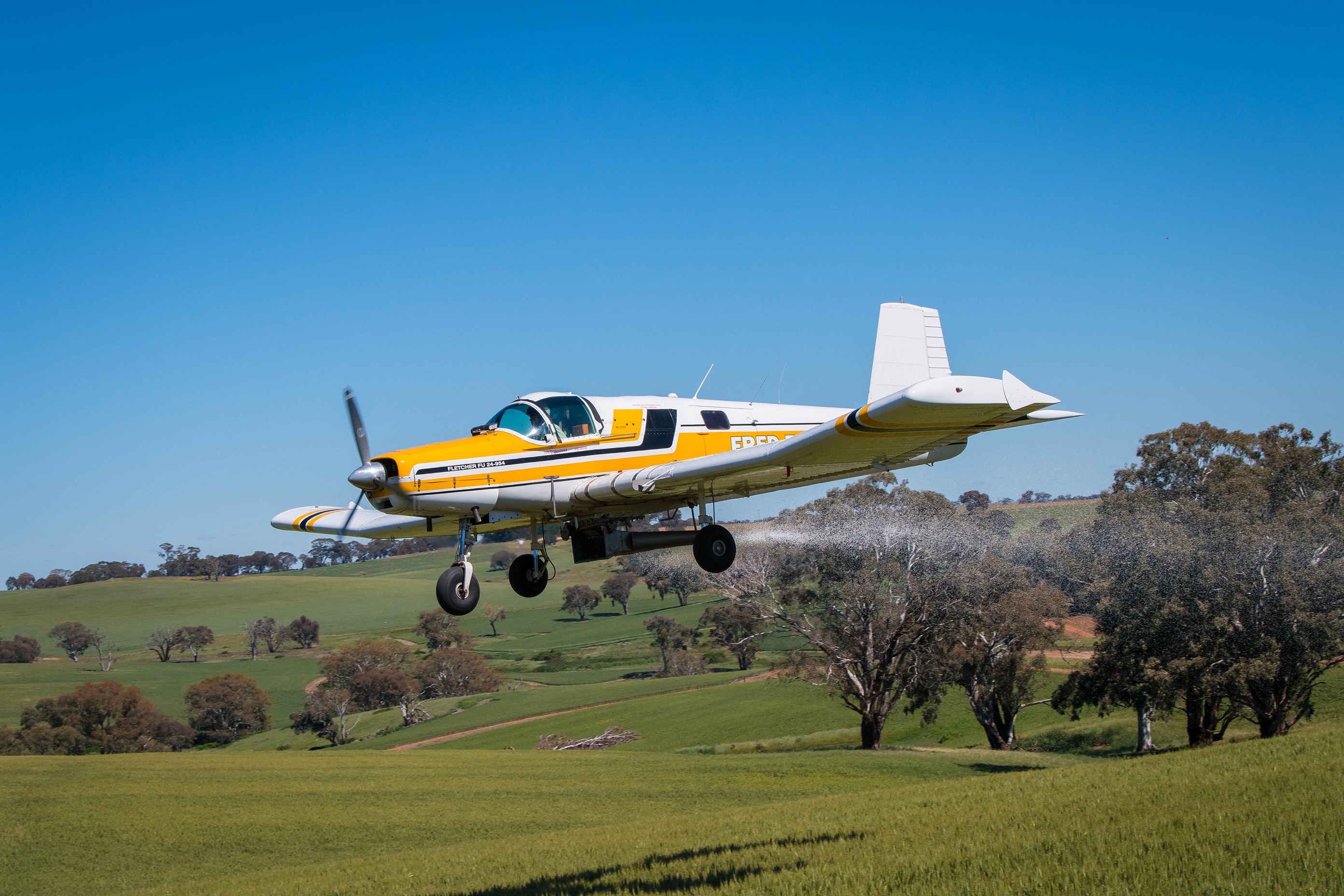
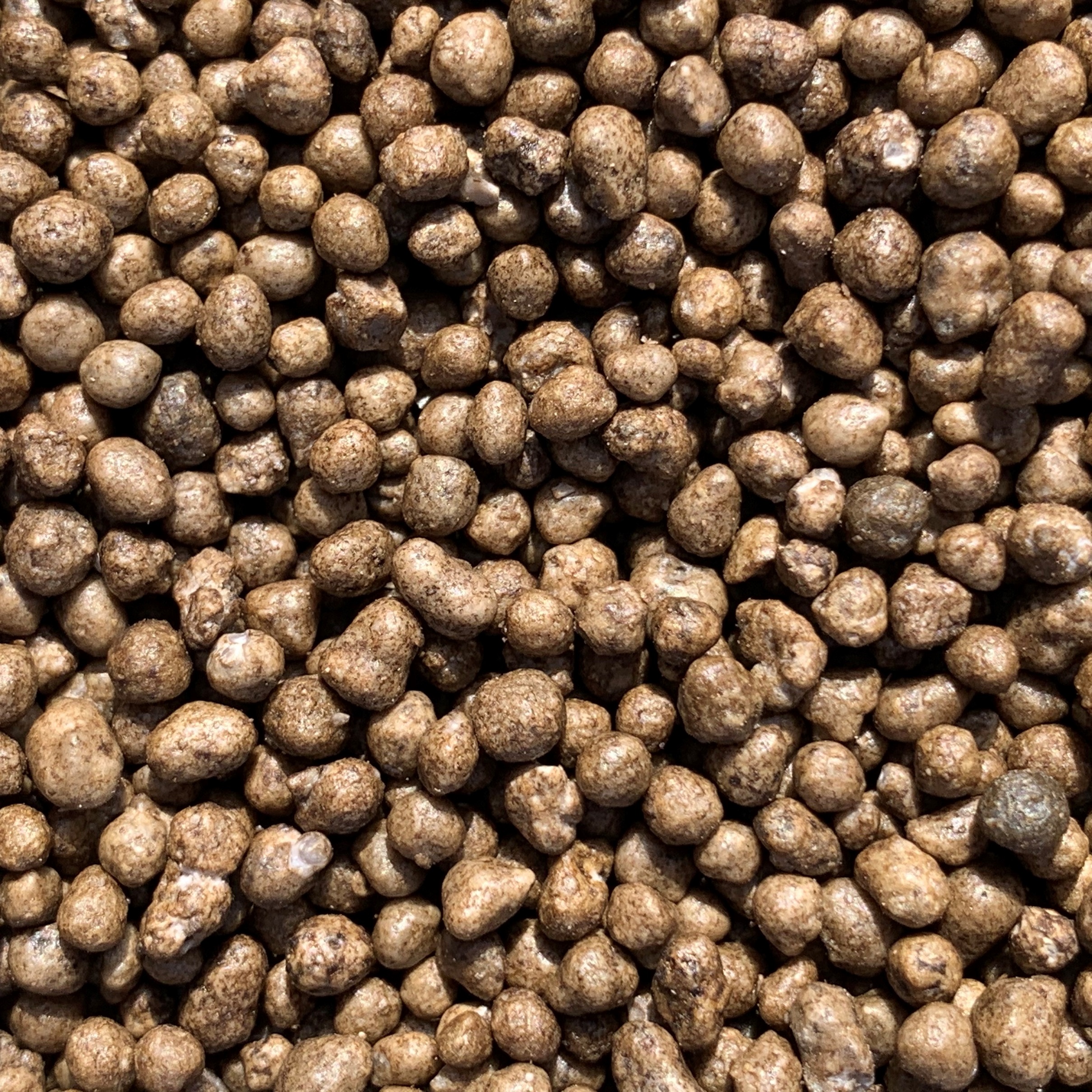
    Pacific Fertiliser just delivered an aerial grade organic fertiliser blend consisting of soft rock phosphate, sulphur, boron and biology with added fulvic/humic acid.

    This blend was tailored to suit the operations measured soil, plant tissue and stock blood tests results. This is a long term customer pushing the curve for productivity gains using alternative products with great results.

    See some of the current sustainable blends we supply.


  • Fertiliser Update

    Fertiliser Update

    We are finally seeing some decent rain in a lot of growing areas with hopefully the top of NSW and Southern/Central QLD to finally see some good rainfall this weekend.

    The current conditions will see a run on Urea top dressing which could put pressure on stocks during the growing season with a lot of growers set to chase higher protein levels.

    Since the peaks of April, fertiliser prices have steadied or reduced with the Urea prices creeping back to January levels.

    Fertiliser price assumptions across all fertiliser commodities are soft due to cheaper energy costs, looming oversupply, and short-term risks resulting from the coronavirus. The outbreak raises risks of lower demand for most fertilisers as a result of food chain disruptions at all levels, from farming to food processing, retail and stock management.

    Australia will see some currency risk with the dollar and potential supply issues from sea freight disruptions but we should see some reasonable fertiliser prices for the next 6-12 months.

    Speciality horticultural fertiliser products could see prices increase due to supply issues and the exchange rate.

    Pacific Fertiliser has good stocks of straight fertiliser products and blends and we would advise those looking to top dress crops with granular Urea to commit their volumes early.

    Please contact us for advice and pricing on your operations next fertiliser decision.


  • Stock Feed Additives

    Stock Feed Additives

    Stock Feed Additives that are used and sold by Pacific Fertiliser

    A Max Ultra Yeast Culture AMAXYE
    Aluminium Sulphate ALUMSULP
    Ammonium Chloride AMMCHLOR
    Ammonium Sulphate AMSUL
    Availa 4 AVAILA4
    Availa Zn 120 AVAILAZN
    Bentonite Granular BENTGRAN
    Bentonite Fine BENTFINE
    Calcium Chloride CALCHLOR
    Celmanax Yeast Culture CELMANAX
    Cobalt Sulphate COBALT25
    Cobalt Sulphate COBALT2
    Copper Sulphate Feed Grade COPSUL
    Dextrose DEXTROSE
    Dical Phosphate White Gran DCPGRAN
    Dical Phosphate White Gran DCPGRANBB
    Dical Phosphate White Powder DCPPOWD
    Diamond V XPC DIAMVXPC
    EMAG 523 (Granular) Mag Oxide EMAG523
    EMAG 500 (Fine) Mag Oxide EMAG500
    Magnesium Chloride Flake MAGCHLFL
    Magnesium Sulphate MAGSULP
    Mono Di Calcium Phosphate MDCP
    Lithonutri (Rumen Buffer) LITHO
    Salt (Coarse) SALTCOA
    Salt (Flossy) SALTFLO
    Salt (Fine) SALTFINE
    Sodium Bicarbonate BICARB
    Sodium Lauryl Sulphate SLS
    Sodium Molybdate MOLY25
    Sodium Molybdate MOLY1
    Sodium Molybdate MOLY2
    Sugar White SUGAR
    Sulphur Powder SULPOW
    Sulphur Prill SULPRILL
    SuperFine Gypsum -SFGYP
    SuperFine Dolomite -SFDOLO
    SuperFine Phosphate -SFSRP
    Vitamin C Ascorbic Acid VITC
    Water Softener SOFTENER
    Zinc Oxide ZINCOX
    Zinc Sulphate Hepta ZINCHEPT
    Zinc Sulphate Mono ZINCMONO

  • Western Sydney Dam Works

    Western Sydney Dam Works

    Pacific Fertiliser is providing products and services to large Western Sydney Civil projects for large dam, batter and road works.

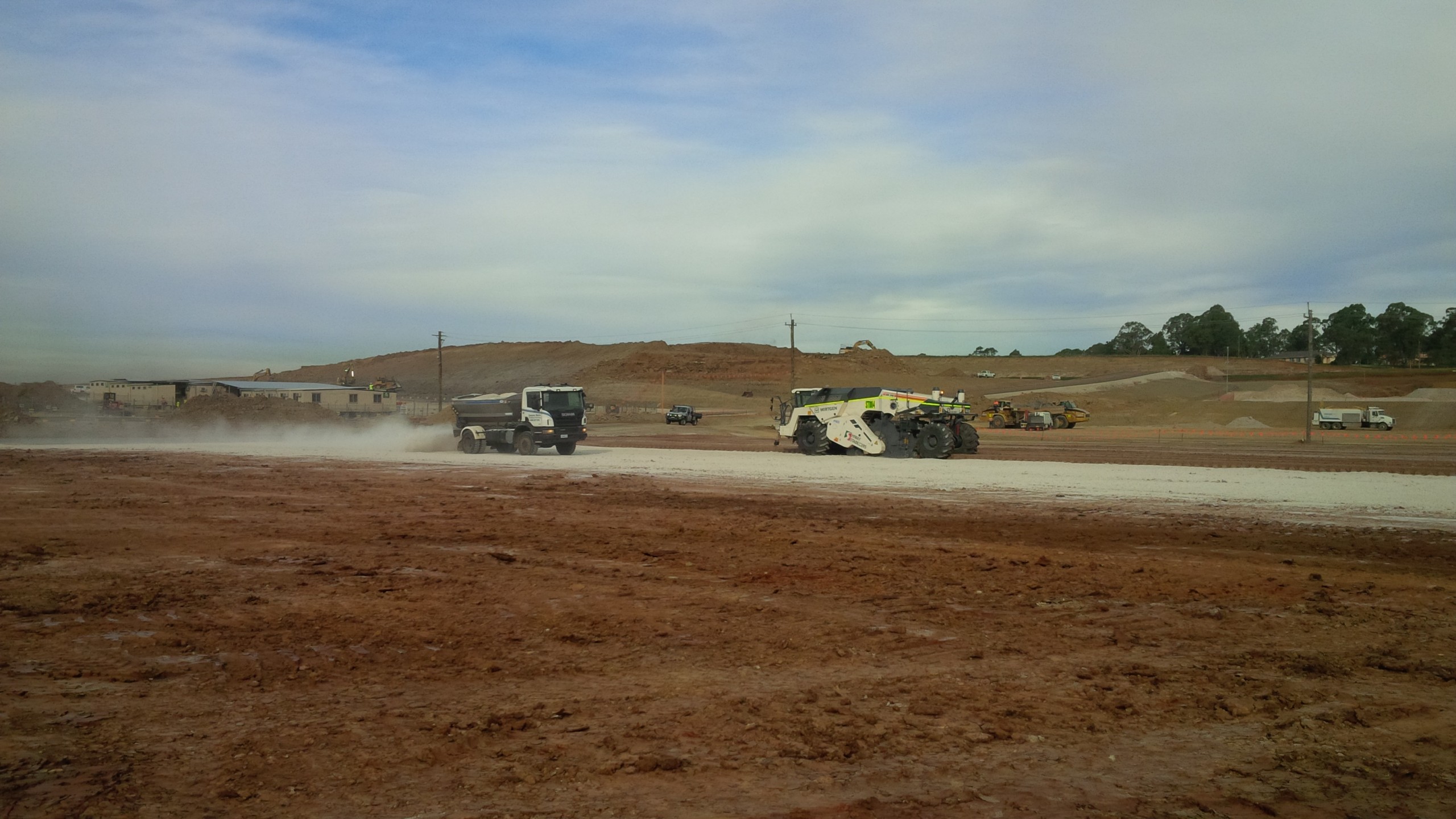
    We are not only supplying and delivering lime, gypsum and bentonite, but we are also spreading products before they are incorporated into the soil for stabilisation and other desired outcomes such as dam sealing and rehabilitation.

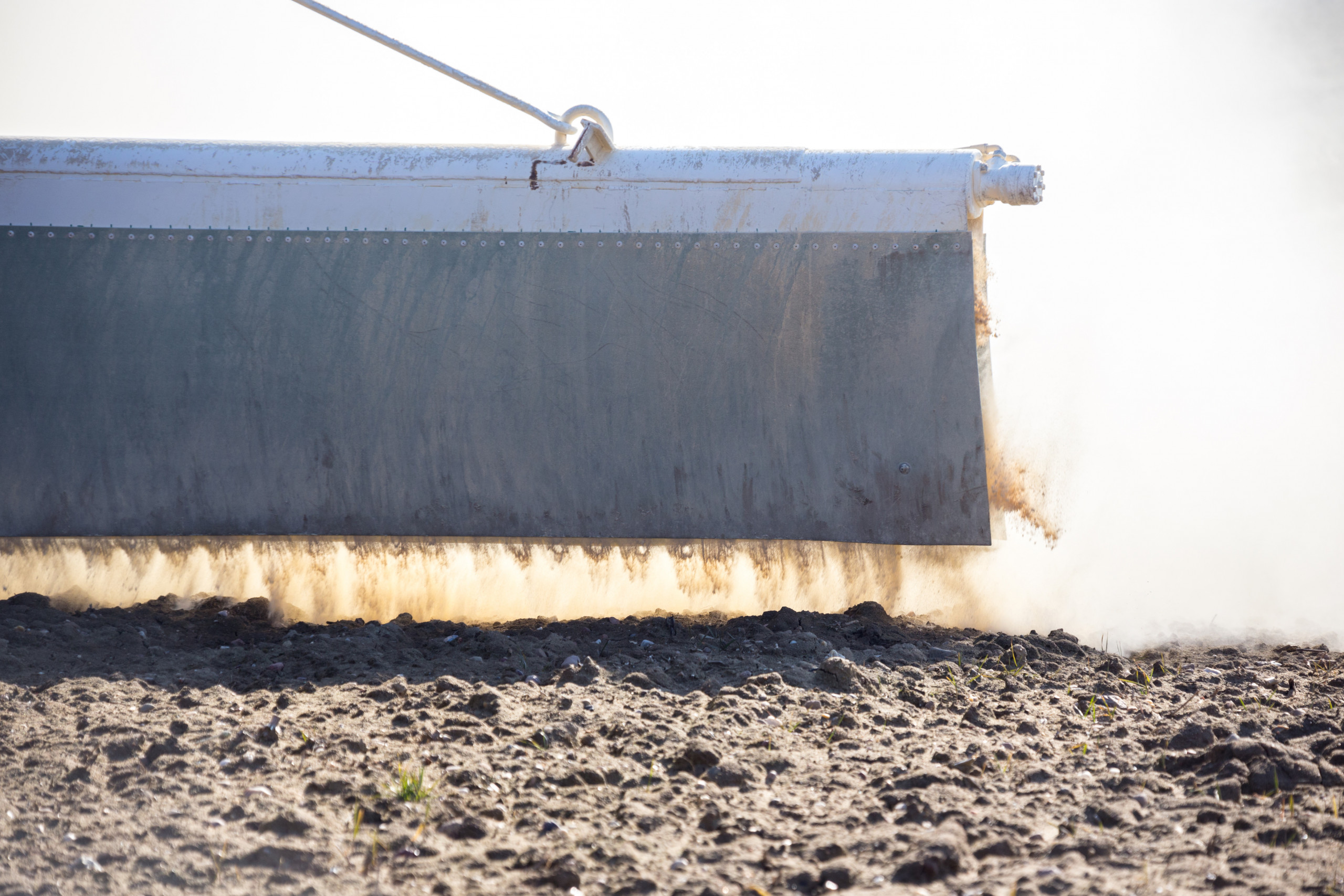
    Below is our bulk gypsum being spread onto the soil being treated before placement onto the dam wall and batters. The general blend to stabilise the soil, is 2-3% w/w gypsum per cubic meter of soil and this is carried out using a precision spreader to apply the gypsum of the soil to be treated. Then using large pulverisers the gypsum is incorporated and blended with the soil down to 300-350mm. Once blended, the soil mix is removed by scrapers to place it in the desired location for the construction of the dam walls and batters.

    Pacific Fertiliser has worked on stabilisation projects throughout NSW and QLD for both civil and mining industries on dam, batter, rail and road works.


  • Silicon in Fertiliser Blends

    Silicon in Fertiliser Blends

    Pacific Fertiliser can provide plant available silicon (si) in fertiliser blends by using the following products in the fertiliser blends:

    • soft rock phosphate
    • palagonite
    • guano
    • agrisilica
    • silica booster (crop silicon booster)
    • calcium silicate

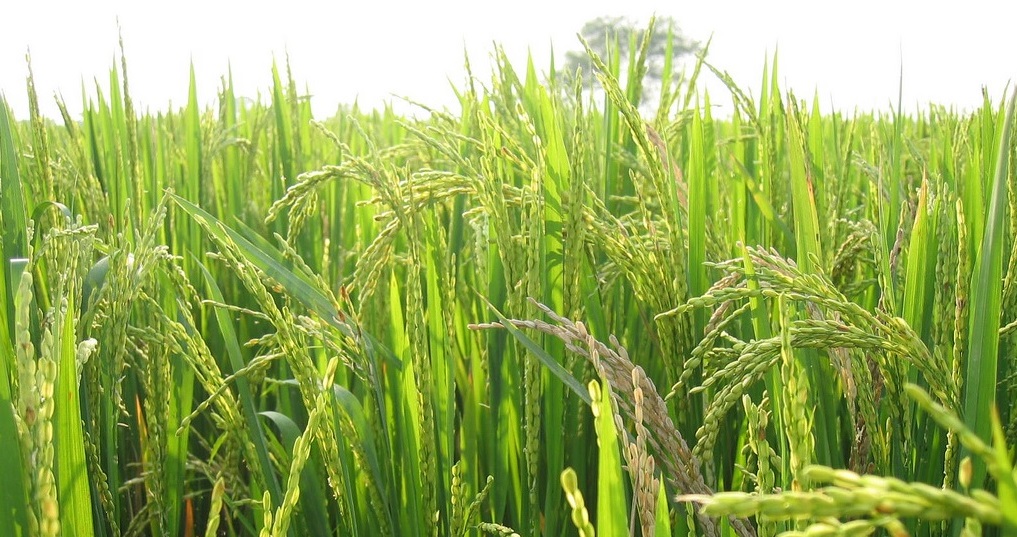
    Studies have shown that silicon (Si) can substantially increase tolerance of rice to biotic and abiotic stresses and it also aids in the growth and nutrient uptake of Si-accumulating crops like rice and sugar cane and numerous other horticultural and broadacre crops.

  • Brisbane Magnesium Blends

    Brisbane Magnesium Blends

    Pacific Fertiliser can provide magnesium in your fertiliser blend where required.

    We can blend the following products to provide magnesium (Mg) in fertiliser blends:

    • dolomite
    • magnesium carbonate
    • magnesium sulphate (kieserite)
    • magnesium oxide

    Also available from our NSW Cowra site. Bulk, bulkbags and pallets of 25kg bags.

    brisbane magnesium fertilisers

  • Open For Business – Covid19

    Open For Business – Covid19

    All of Pacific Fertiliser’s sites are currently open and our trucks are running to supply our agricultural customers.

    We have internal measures in place to ensure we are upholding the best hygiene and worker distancing on our onsites.

    However we would like you as customers to up hold the same standards and minimise interaction with our staff when you are onsite, where possible.

    We will keep you informed of any changes.

  • MAP Fertiliser Shortage

    MAP Fertiliser Shortage

    Currently MAP fertiliser is sold out on the Eastcoast of Australia with future shipping dates in-doubt.

    Pacific Fertiliser have a high analysis compound NPS starter fertiliser with Zinc making it a perfect starter fertiliser.  Starter 13 + 0.5% Zn  fertiliser (13-18-0-8 +0.5% Zn) and is still priced competitively compared to MAP.

    Starter Zinc is a zinc-enriched mono-ammonium phosphate (MAP) based fertiliser. A high analysis source of nitrogen and phosphorus, reinforced with zinc in every granule

    Suitable for use at planting of cereals, grain legumes and oilseeds, especially where zinc may be a limiting factor to optimal plant growth and yield.