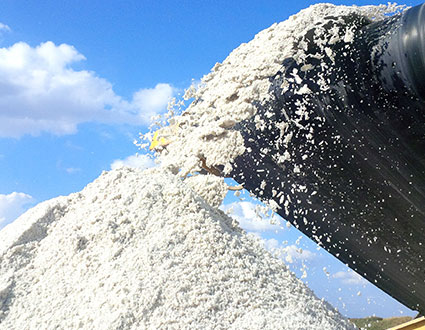
Tag: screened gypsum

  • What is Gypsum

    What is Gypsum

    Gypsum (CaSO4· 2H2O) is a soft white, grey, brownish or slightly pink mineral consisting of hydrated calcium sulphate also know as calcium sulphate di-hydrate. It occurs mainly in sedimentary deposits and is used to for soil amelioration and in building construction materials.

    Gypsum is moderately water-soluble (~2.0–2.5 g/l at 25 °C) and, in contrast to most other salts, it exhibits retrograde solubility, becoming less soluble at higher temperatures.
    Gypsum is generally found in mineral and rock form, but there is also recycled, synthetic and byproduct forms of gypsum.  Mined gypsum is a very soft mineral and it can form very large colored crystals.  Natural gypsum is found in many parts of the world. Gypsum deposits lie in flat beds of about six to eight feet in thickness, and are often inter-layered with limestone or shale. Gypsum deposits were formed millions of years ago when salt water oceans covered most of the earth, and as they receded, may inland “dead” seas were formed which, as evaporation continued, became more and more salty. As those salts precipitated, they formed various compounds in turn, one of which was gypsum. As millions of years passed, these salt deposits combined with decayed vegetation and other minerals, and eventually the result was stratified rock, with layers of gypsum and layers of limestone alternating, the whole covered over with many feet of glacial deposits. The result is the accumulation of large beds of sedimentary gypsum near old salt lakes and inland river beds.


    The main types of gypsum in the market place for agricultural, civil and industrial application are:

    Natural gypsum: is mined from the ground as a mineral and sold for industrial, medical and agricultural uses. Generally the mined gypsum will be selenite gypsum which is an opaque sandy crystal gypsum. There are various grades of mined gypsum and it is essential you determine you are getting the best bang for your buck. The easiest method of comparison is gypsum purity or each gypsum source available to you.

    Recycled Gypsum: is derived from plasterboard waste and is a high quality source of gypsum. The product has a granular feel making it easier to spread. The granules porous structure increases the surface area making the recycled gypsum more soluble. Read more.

    Synthetic gypsum (Not Sold by PacFert): industrial gypsum, FGD (Flu Gas Desulphurised Gypsum) and DSG (Desulphurised Gypsum) are all names for gypsum which are created by through chemical processes and not mined virgin product. Synthetic gypsum is most typically created in scrubbers, using lime (Ca), in coal fired power plants to clean the sulphur (SO) from the smoke stacks. The lime and sulfate combine and make synthetic gypsum (CaSO4· 2H2O) which is a high quality and very pure gypsum material. Chemically this gypsum is identical to natural gypsum.

    Phosphogypsum (Not Sold by PacFert): refers to the gypsum formed as a by-product of processing phosphate ore into fertilizer with sulfuric acid, such as Phosphate Hill in Central West QLD. REGYP DOES NOT SELL Phosphogypsum in Australia. Phospho gypsum is produced from the fabrication of phosphoric acid by reacting phosphate rock with sulfuric acid. Phosphogypsum does contain moderate levels of heavy metals including cadmium and REGYP recycled gypsum products DO NOT, so the two should not be confused. Phosphogypsum is radioactive due to the presence of naturally occurring uranium and radium in the phosphate ore. Marine-deposited phosphate typically has a higher level of radioactivity than igneous phosphate deposits, because uranium is present in seawater.

    Comparing Gypsum Products: Please follow the link for a complete gypsum comparison report.

  • Cowra Spreading

    Cowra Spreading

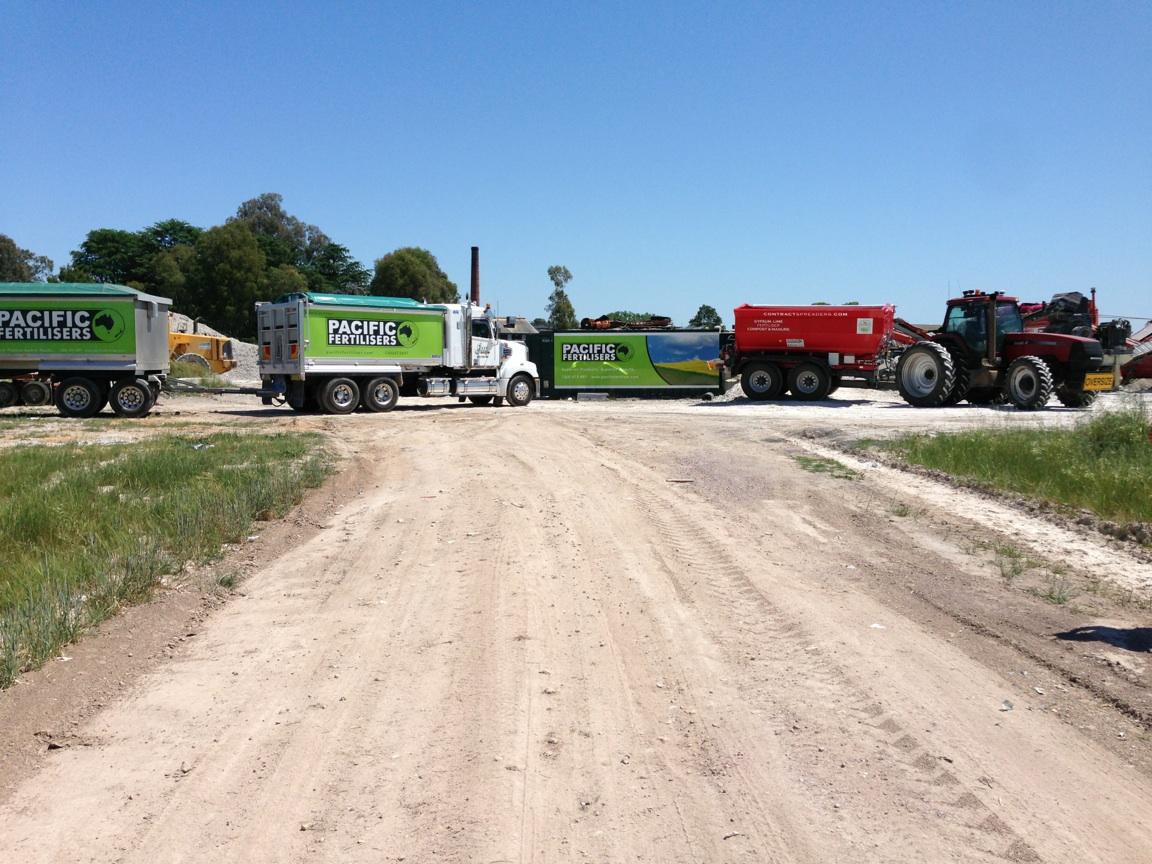
    Just getting ready for some fertiliser spreading work in Cowra.

    lime spreading

    Spreader Accuracy:

    Contract Spreader’s Agrispread AS120T and Case 335 tractor is fitted with Trimble system and AS controller that provide strong data feedback and control during operation. It allows agronomists and farmers to send variable rate application maps to the machine. I think will see a quick take up of variable rate lime and gypsum spreading to save farmer input costs and increase productivity.

    The system also offers real-time data reporting providing scrutiny of where the spreader is and check its application rates and other diagnostics. It gives the grower absolute confidence in what the spreading contractor is doing and when it is doing it and gives us complete oversight of the job.

    With a large 16m3 hopper and 36m spread width on urea, the AS120T spread can cover a lot of country in a day.

  • Buying Gypsum

    Buying Gypsum

    When buying gypsum from any supplier please ask the following questions when requesting delivered or ex works prices.

    • Price $/tonne
    • Do you have a recent analysis report (less than 6 months old) including
      • Gypsum purity (%)
      • Calcium and sulphur content (%)
      • Sizing (top and mean size)
      • Salt content %
      • Moisture content %

    Gypsum Quality Classification:

    • Premium Grade Gypsum described as : Gypsum must contain a minimum of 89% purity, 16.5% sulphur (S) and a minimum of 21.0% Calcium (Ca).
    • Grade 1 Gypsum described as : Gypsum must contain a minimum of 81% purity, 15.0% sulphur (S) and a minimum of 19.0% Calcium (Ca).
    • Grade 2 Gypsum described as : Gypsum must contain a minimum of 67% purity, 12.5% sulphur (S) and a minimum of 15.5% Calcium (Ca).
    • Grade 3 Gypsum described as : Gypsum must contain a minimum of 54% purity, 10.0% sulphur (S) and a minimum of 12.5% Calcium (Ca).

               Purity of gypsum is calculated by dividing the Sulphur content % by 0.186 (i.e. gypsum with 100% has 18.6% Sulphur). 

    Bulk-gypsum

  • Gypsums  Ain’t  Gypsums

    Gypsums Ain’t Gypsums

    We recently have undertaken a large study to bench mark different gypsum products from different mines and processing plants to ascertain their quality in a 3rd party laboratory. See the results from the study where we used a NSW Ag Facts method to test gypsum solubility. Study link  http://pacificfertiliser.com/gypsum-comparison-results/846/. We also have a free Gypsum Cost Comparison spreadsheet we can send you, which can assist you to compare your various gypsum quotes from various suppliers in an apples with apples scenario.

    For many reasons gypsum can be considered to be a farmer’s best friend. Gypsum or CaSO4.2H20  is an excellent source of both Calcium and Sulphur which are essential for both yield and grain quality. However gypsum benefits go much further. As a soil amendment it helps improve the physical properties of soil, such as water retention, permeability, water infiltration, drainage, aeration and structure providing a better environment for the plant roots. The calcium can also displace harmful sodium in the soil, essential to the sustainability of most irrigated soils.

    Agricultural gypsum products can come in many forms like:

    • Natural Gypsum – Mined
    • Recycled from plasterboard – Super Ag Gypsum
    • Flue Gas scrubbing on power stations – FGD Gypsum
    • By-product of Fertiliser manufacture – Phospho Gypsum (from the old super plants – not available anymore)

    All of these variants of CaSO4.2H20  have calcium as calcium and sulphur as sulphate. When comparing any gypsum products you should consider the following items. Gypsum Purity (% of CaSO4.2H20), calcium and/or sulphur content depending on requirements, Solubility, Salts, Heavy metals (such as lead or cadmium), Contaminants (such as paper).


  • Fine Gypsum Products Brisbane

    Fine Gypsum Products Brisbane

    Pacific Fertiliser is trailing a new gypsum refining process to offer a gypsum product ex Brisbane that has the following characteristics: Gypsum purity much higher than local mined sources with a solubility and fineness similar to super fine grade gypsum.

    The Mine2 gypsum product is available ex Brisbane. Pacific Fertiliser continues to sell its other gypsum products from Port of Brisbane, Dinmore and Pinkenba.

    NATA certified test results are available for the Mine2 and the rest of the PacFert gypsum range on request.

    Please contact Pacific Fertiliser for information and samples.

    brisbane gypsum

  • Brisbane Gypsum

    Brisbane Gypsum

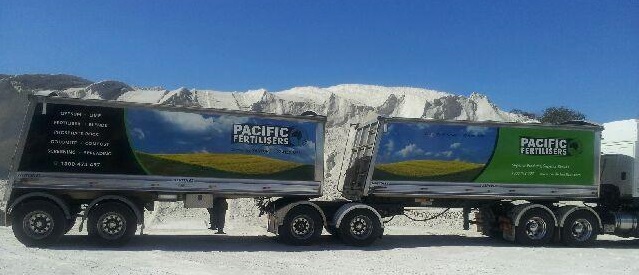
    PacFert can offer mined gypsum loading from bogie loads to road train trailers and B-doubles from Pinkenba and Port of Brisbane in QLD.

    Other special products and blends come out of the Ipswich site.

    We can package the natural high quality grade 1 gypsum with competitive bulk transport and spreading services.

    Our gypsum is 95+% pure, ensuring you aren’t buying, transporting and spreading a large percentage of dirt or other impurities.

  • Using Gypsum to Treat CSG Water for Beneficial Reuse

    If a CSG water provider does not wish to, or cannot comply with the requirements of a general beneficial use approval, it may apply under Chapter 8 of the WRR Act for a specific beneficial use approval. Beneficial use of CSG water for the augmentation of public water supply storages or potable water supplies will require a specific beneficial use approval.

    Beneficial uses of CSG water covered by the general DEHP approval for the beneficial use of CSG water include:
    • aquaculture and human consumption of aquatic foods
    • coal washing
    • dust suppression
    • industrial use
    • irrigation
    • livestock watering

    CSG water varies widely in its water quality characteristics and beneficial use of the resource is unlikely without
    some form of treatment (an active process) or amendment (simple chemical addition, for example the addition
    of sulphuric acid or gypsum).

    CSG Water Treatment table

  • Screened Gypsum Special

    Screened Gypsum Special

    Pacific Fertiliser is offering a special deal of 6mm screened mined gypsum for the special price of $ per tonne.

    We have 3000 tonne stockpiled onsite in Brisbane and offer a 2014 Autumn special until this stockpile is sold.

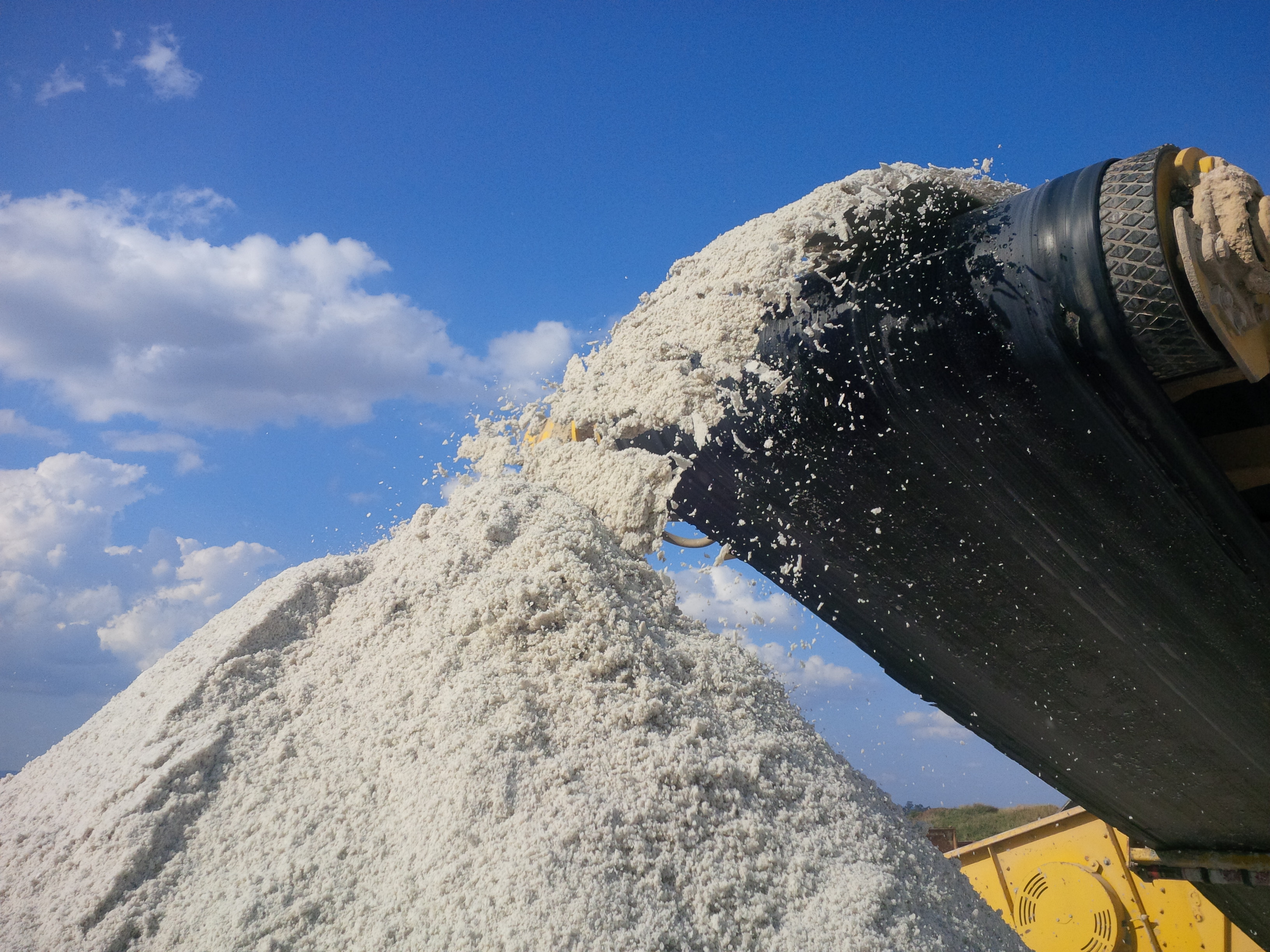
    The sub 6mm natural gypsum has a purity of 96%, a mean particle size of 0.5mm and is suitable for horticulture, golf courses, turf and sporting fields.

    Please contact us for more information on this deal.

    brisbane gypsum

  • Mobile Screen

    Pacific Fertiliser has just purchased a mobile trommel screen, adding to the fleet which includes REGYP Recycling’s 7 mobile deck & trommel screeners.

    The 798 Finlay trommel will be for hire and contract screening. The hire trommel screen is suitable for screening compost, soils, minerals and C&D waste.

    The Finlay 798 double skin trommel enables various sizes of product to be screened in one pass (4 with a grizzly) and the trommel screen can handle up to 150 tonne per hr of soil. The large 8.5m3 feed hopper can be loaded by an excavator, loader or other conveying equipment. The trommel is powered by a 4 cylinder turbo Deutz and driven hydraulically. The outer fines screen is 5m long x dia 2m and the inner medium screen is 6m x dia 1.5m providing a large screen area with brushes for cleaning. The trommel screen can produce the following sizing fractions sub 6mm (other screen options mentioned below), +6 to 35mm, and with a grizzly attached +35 to 150mm. Other outer screen options 8mm and 18mm. The machine can be moved around using a prime mover with 5th wheel coupling.


    For more information on availability, pricing and screen sizes please contact us.

    IMG_00007751

  • Mine6 Gypsum

    Mine6 Gypsum

    Pacific Fertiliser offers a screened gypsum from Sydney, Brisbane and Cowra suitable for horticulture, vegetable and nut growers where a guaranteed size of the natural gypsum is required.

    The product is very high quality and can be supplied throughout the year from all three plants.

    General supply is in bulk tippers but we can also supply bulk bags and 25 kg bags.

    IMG_00007751